The Mountains are Calling: A New Era of Exploration
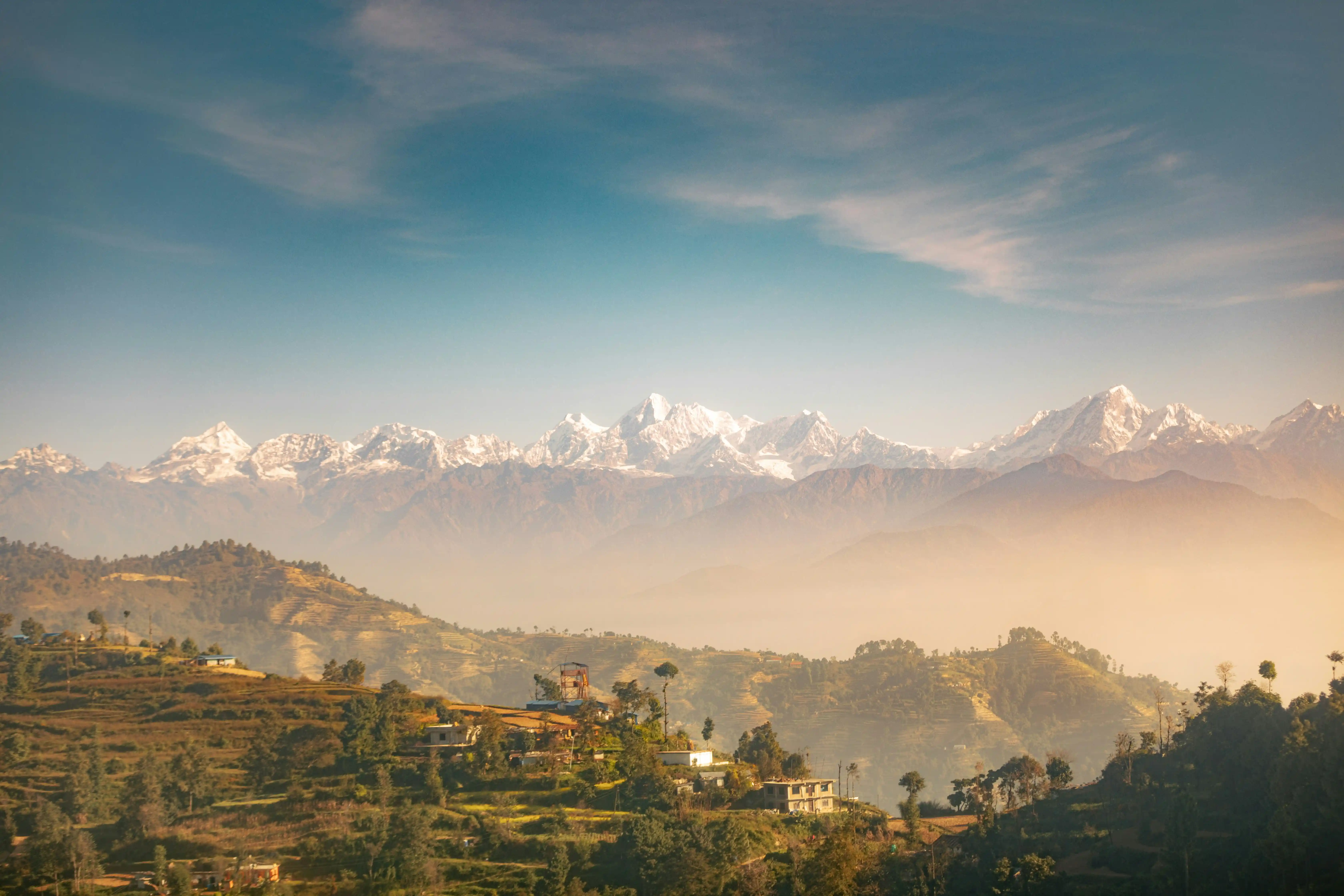
Close your eyes and imagine the crisp, thin mountain air, the rich scent of burning juniper, and the rhythmic spin of ancient prayer wheels echoing across a valley. That’s the magic waiting for you this autumn. But if you are planning a trip to Nepal in 2026, you are stepping into a brand-new era of mountain travel.
Whether you are looking to immerse yourself in our vibrant autumn festivals or finally tackle that remote bucket-list trail, here is everything you need to know for the upcoming season.
Breaking Boundaries: Solo Restricted Area Trekking Nepal
For years, travelers looking into solo restricted area trekking Nepal hit a massive roadblock: the government’s strict two-person minimum rule. Lone wanderers were turned away from the most mystical, untouched corners of the Himalayas unless they joined a group of strangers.
As of March 2026, that barrier is officially gone.
You can now explore the hidden monasteries of the Tibetan plateau at your own pace. Securing an Upper Mustang permit 2026 or an Upper Dolpo pass as an individual is completely legal, provided you trek alongside a licensed, professional guide from a registered trekking agency. This means you get the profound silence and personal reflection of a solo journey, backed by the safety and local expertise of a seasoned Nepalese guide.
If you prefer the classic routes, the newly digitized E-TIMS system means booking an Annapurna Circuit trekking package is faster and smoother than ever before. Just remember, the mandatory guide rule is now strictly enforced nationwide to ensure you stay safe and fully immersed in the local culture.
Cultural Magic: Book a Dashain Festival Trek Nepal
Autumn isn't just about crystal-clear skies and towering peaks; it is about the heartbeat of Nepal. This October and November, the mountains come alive with our biggest cultural festivals.
Booking a Dashain festival trek Nepal experience (October 11–25) means you won't just see the mountains—you'll connect with the people. You will walk through villages echoing with the laughter of children on towering bamboo swings, and you might even be invited into a cozy teahouse kitchen to receive a red Tika blessing from the elders.
Following right after is Tihar, the Festival of Lights (November 7–11). During this time, the trails and stone houses are illuminated by thousands of flickering oil lamps and colorful rangolis welcoming the Goddess of Wealth. And if you are heading toward Everest, the sacred Mani Rimdu festival at Tengboche Monastery in mid-November offers three days of mesmerizing masked Cham dances set against the backdrop of the world's highest peaks.
Pre-Departure FAQ: Quick Logistics
To keep your planning stress-free, here are a few quick logistical tips before you fly:
Q: What do I need to know about domestic mountain flights? A: If you are taking a small STOL (Short Takeoff and Landing) flight into mountain airstrips like Lukla or Jomsom, you must pack light! For safety and aerodynamic reasons, airlines strictly limit total baggage to 10–15 kg per passenger.
Q: Will bad weather affect my itinerary? A: Mountain weather can be unpredictable, and the Civil Aviation Authority of Nepal prioritizes your safety.if there is heavy cloud cover, mountain flights stay grounded. We always recommend adding at least two "buffer days" in Kathmandu at the end of your trek. This ensures that a minor weather delay in the Himalayas doesn't cause you to miss your international flight home!
Ready to Climb the Himalayas?
The mountains are calling louder than ever. Whether you want to lose yourself in the vibrant festival crowds or find total solitude in a newly opened restricted valley, Climb Himalayas is here to craft your perfect journey. Let's make 2026 the year you finally conquer the roof of the world! Contact us today to start building your custom itinerary.