
Search for Packages
21 Days

Kanchenjunga Base Camp Trek

Price per person $2800
Altitude 5143
Difficulty Moderate
Group size 2-15
Climb Style Normal

Overview

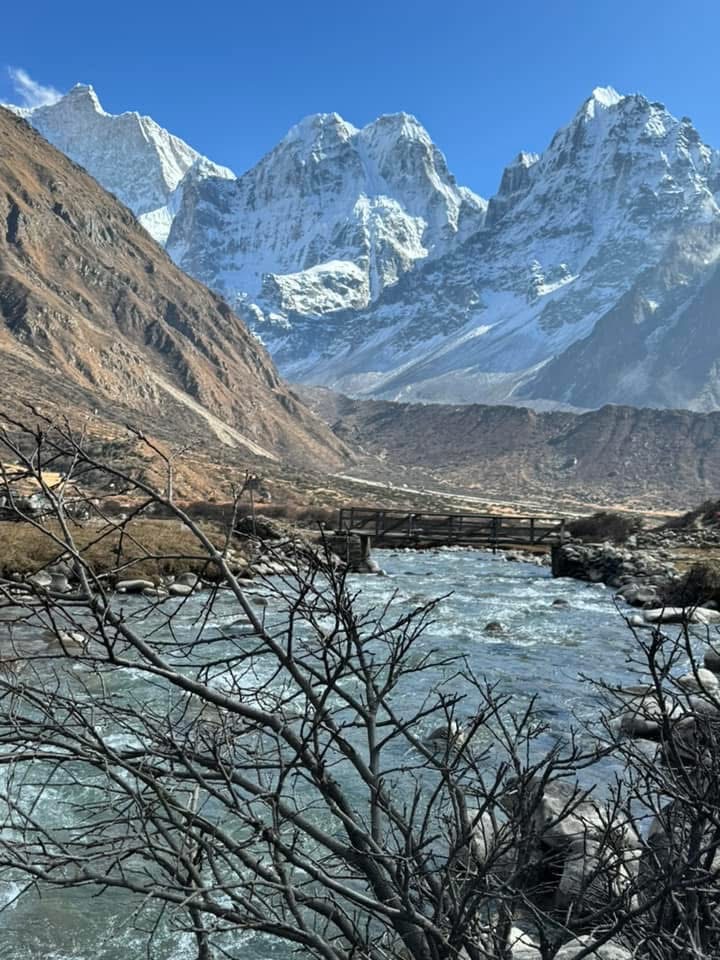
·       Mount Kanchenjunga (8,586 meters/28,169 feet): The trek offers stunning views of Mount Kanchenjunga, one of the most majestic peaks in the world. As you trek towards the base camp, you'll witness the awe-inspiring presence of Kanchenjunga and its neighboring peaks, including Kangchenjunga II, Kangchenjunga III, and Kangchenjunga South.

·       Kanchenjunga Conservation Area: The trek takes you through the Kanchenjunga Conservation Area, a protected region known for its rich biodiversity and pristine wilderness. The conservation area is home to diverse flora and fauna, including rare species such as the red panda, snow leopard, and Himalayan black bear.

·       Remote and Untouched Landscapes: The Kanchenjunga Base Camp Trek offers a chance to explore remote and untouched landscapes, with rugged terrain, deep river valleys, dense forests, and high alpine meadows. The trekking route is less traveled compared to other popular trekking destinations in Nepal, providing a sense of solitude and wilderness.

·       Local Culture and Traditions: Along the trekking route, you'll encounter diverse ethnic communities such as the Rai, Limbu, and Sherpa people. These communities have their own unique culture, traditions, and way of life, and you'll have the opportunity to interact with locals and learn about their customs and beliefs.

·       Kanchenjunga Base Camps: The trek offers two base camps - North Base Camp and South Base Camp. The North Base Camp is located at Pangpema, while the South Base Camp is situated at Oktang. Both base camps provide stunning views of Mount Kanchenjunga and its surrounding peaks, as well as opportunities for exploration and photography.

·       Yalung Base Camp: Visit the Yalung Base Camp, offering stunning views of Mount Kanchenjunga and the surrounding peaks.

·       High Mountain Passes: The trek involves crossing several high mountain passes, including Sele La Pass (4,290 meters/14,074 feet) and Sinion La Pass (4,660 meters/15,289 feet). These passes offer panoramic views of the surrounding mountains and valleys, as well as a sense of achievement for trekkers.

·       Breathtaking Scenery: Throughout the trek, you'll be treated to breathtaking scenery, including snow-capped peaks, alpine lakes, rhododendron forests, and cascading waterfalls. The ever-changing landscapes offer plenty of opportunities for photography and appreciation of nature's beauty.

·       Local Culture: Interact with the indigenous communities of the region, including the Limbu, Rai, and Sherpa people, and experience their unique way of life and hospitality.

Activities

·       Trekking through diverse landscapes, including forests, rivers, and glaciers, with opportunities for wildlife spotting.

·       Crossing high mountain passes and challenging terrain, requiring physical endurance and trekking experience.

·       Exploring remote villages, Buddhist monasteries, and cultural landmarks along the trail.

·       Witnessing panoramic views of the Himalayan peaks, including Mount Kanchenjunga, Everest, and Makalu.

·       Immersing in the tranquility of the Himalayan wilderness and enjoying the serenity of alpine lakes and meadows.

Itinerary

Day 01

Arrive in Kathmandu and transfer to your hotel. Upon arrival, meet the team and settle in after your journey. The rest of the day is free to relax, recover from travel, or explore nearby areas at your own pace in preparation for the upcoming adventure.

Day 02

Take a scenic domestic flight from Kathmandu to Bhadrapur, enjoying aerial views of hills and lowland landscapes. Upon arrival, drive through picturesque countryside toward Fiddim or Taplejung, passing tea gardens, rural settlements, and forested hills. This journey marks the transition from the city to the remote eastern Himalayan region and sets the stage for the trekking adventure ahead.

Day 03

This day is kept as a buffer for possible flight delays or itinerary adjustments, ensuring flexibility and a smooth overall journey. If no delays occur, enjoy a relaxed day of local exploration, observing everyday life and cultural traditions in nearby villages and towns.

Stroll through local markets, interact with residents, and experience regional customs, food, and lifestyle—offering a deeper understanding of the local culture and a meaningful connection to the destination before continuing the trek.

Day 04

Scenic drive from Taplejung to Sukethum through remote hill roads, forested landscapes, and traditional villages, marking the final road journey before the trekking phase begins in the Kanchenjunga region.

Day 05

Begin the trek from Sukethum to Amjilosa, following a narrow trail through dense forests, river crossings, and remote mountain terrain. The route involves steady ascents and descents, offering an authentic Himalayan trekking experience in a quiet and less-traveled region.

This trekking day provides a gradual gain in altitude and serves as an important acclimatization stage as the journey moves deeper into the Kanchenjunga region, surrounded by pristine nature and traditional landscapes.

Day 06

Trek from Amjilosa to Gyabla, ascending gradually through dense forests of bamboo, rhododendron, and pine. The trail follows river valleys and mountain paths, passing small settlements and offering a peaceful trekking experience in a remote Himalayan landscape.

This day involves a steady gain in altitude, supporting acclimatization as the trek progresses deeper into the Kanchenjunga region. Gyabla is a quiet mountain village surrounded by forested hills, providing a comfortable stop for rest and preparation for higher elevations ahead.

Day 07

Trek from Gyabla to Ghunsa, continuing along scenic Himalayan trails through dense pine and rhododendron forests, river crossings, and open alpine landscapes. The route gradually climbs into higher terrain, offering expanding mountain views and a noticeable change in vegetation as altitude increases.

This day is important for acclimatization, as Ghunsa sits above 3,500 meters and serves as a major settlement and key stop in the Kanchenjunga region. Ghunsa is a traditional Tibetan-influenced village, providing a cultural highlight as well as a comfortable base for rest and preparation before moving higher into the mountains.

Day 08

A dedicated acclimatization day in Ghunsa to support safe altitude adaptation and recovery. Optional acclimatization hikes to nearby viewpoints or surrounding hills are available, allowing gradual elevation gain while returning to Ghunsa for rest.

This day helps improve acclimatization, reduces the risk of altitude-related issues, and provides time to explore the village, observe local culture, and prepare for the higher sections of the trek ahead.

Day 09

Trek from Ghunsa to Khambachen, ascending steadily into high alpine terrain. The trail follows glacial valleys and open landscapes with impressive views of surrounding peaks and moraines, reflecting the increasingly remote nature of the Kanchenjunga region.

This day involves a significant gain in altitude and is an important stage for acclimatization as the trek moves above 4,000 meters. Khambachen is a small high-altitude settlement, offering a dramatic mountain setting and a strategic stop before continuing toward higher elevations.

Day 10

Trek from Khambachen to Lhonak, moving deeper into the high-altitude alpine zone of the Kanchenjunga region. The trail follows broad glacial

Day 11

Trek from Lhonak to Pangpema, the North Base Camp of Mount Kanchenjunga, following a spectacular high-altitude trail across glacial moraines and open alpine terrain. Pangpema offers breathtaking close-up views of Kanchenjunga’s massive north face and surrounding peaks, making it one of the most iconic viewpoints in the eastern Himalayas.

After spending time at base camp enjoying the dramatic scenery, return to Lhonak along the same route. This challenging day involves significant altitude exposure and is an important highlight of the trek, providing both acclimatization benefits and a memorable Himalayan experience.

Day 12

Descend from Lhonak to Khambachen, trekking through wide glacial valleys and alpine landscapes. Stop at Khambachen for lunch and short rest before continuing the descent toward Ghunsa.

The trail gradually drops in elevation, supporting recovery after the high-altitude base camp visit. Arrival in Ghunsa provides a comfortable and familiar setting to rest, rehydrate, and reflect on the highlights of the Kanchenjunga North Base Camp trek.

Day 13

Trek from Ghunsa to Selele Camp, ascending steadily into high alpine terrain. The trail climbs through open slopes, rocky paths, and remote landscapes with expansive mountain views, marking a transition from settled valleys to a more rugged, high-altitude environment.

This trek involves a notable gain in elevation and is an important acclimatization stage before crossing high passes. Selele Camp is a remote high camp, offering a dramatic mountain setting and preparing the team for the challenging days ahead.

Day 14

Trek from Selele High Camp to Tseram, crossing three high mountain passes in a single, demanding day. The route involves steep ascents and descents over rugged alpine terrain, offering dramatic views of surrounding peaks, glaciers, and high Himalayan landscapes.

This is one of the most challenging and rewarding days of the trek, requiring strong endurance and steady pacing. After crossing the passes, descend to Tseram, a scenic alpine settlement, where the lower altitude provides relief and recovery after an intense high-mountain crossing.

Day 15

Trek from Tseram to Ramche, ascending gradually through high alpine terrain with expansive views of glaciers, snow-covered peaks, and rugged mountain landscapes. The trail follows moraines and open valleys, offering a remote and dramatic Himalayan atmosphere.

This day involves a steady gain in altitude and is an important acclimatization stage as the trek moves deeper into the upper Kanchenjunga region. Ramche is a high-altitude settlement surrounded by towering peaks, providing a striking setting for rest and preparation before continuing the journey.

Day 16

Trek from Ramche to Oktang, the South Base Camp of Mount Kanchenjunga, following high alpine trails across glacial terrain and open valleys. Oktang offers spectacular close-up views of the south face of Kanchenjunga and surrounding peaks, making it one of the most scenic highlights of the trek.

After spending time at base camp enjoying the dramatic mountain panorama, descend back to Tseram along the same route. The descent to lower altitude supports recovery after a high-elevation day while concluding a major milestone of the Kanchenjunga circuit trek.

Day 17

Trek from Tseram to Tortong, descending gradually through alpine meadows, rhododendron forests, and river valleys. The trail offers a noticeable drop in altitude, helping the body recover after the high-altitude base camp visits and pass crossings.

This scenic descent provides a more relaxed trekking day, with changing landscapes and warmer temperatures as you move back into forested terrain. Tortong is a quiet campsite surrounded by nature, offering a peaceful stop before continuing the return journey.

Day 18

Trek from Tortong to Yasang, descending further through dense forests, river valleys, and quiet mountain trails. The route passes through lush vegetation and traditional landscapes, offering a pleasant and relaxed walking day as altitude decreases.

This section of the trek supports continued recovery after high-altitude days while providing opportunities to observe local flora, rural life, and the changing environment of the lower Himalayan region. Yasang is a peaceful village and a comfortable stop along the return route.

Day 19

Trek from Yasang to Hellok, descending through forested trails, terraced farmland, and rural villages. This final trekking section offers a gentle walk with continued loss of altitude, marking the completion of the Kanchenjunga trekking route.

Upon reaching Hellok, transfer by vehicle and drive to Taplejung, enjoying scenic views of hills, rivers, and countryside along the way. Arrival in Taplejung brings the trekking journey to a close, with time to relax and reflect on the full Kanchenjunga experience.

Day 20

Drive from Taplejung to Bhadrapur, descending through scenic hills, tea gardens, and lowland landscapes of eastern Nepal. The overland journey takes approximately 6–7 hours, offering a comfortable transition from the mountains to the plains.

Upon arrival in Bhadrapur, take a domestic flight to Kathmandu (flight time approx. 45–50 minutes). After landing in Kathmandu, transfer to the hotel for rest and recovery, marking the completion of the trekking journey.

Day 21

Enjoy a restorative wellness experience designed to relax and refresh after the journey. The program includes sound healing for deep relaxation, gentle yoga and breathing sessions, and a therapeutic massage to release travel and trekking fatigue. A hands-on local cooking workshop adds a cultural touch, offering insight into traditional flavors and culinary practices.

The day concludes with a farewell cultural dinner, featuring traditional cuisine, music, and cultural performances—providing a calm, meaningful, and memorable closing to the overall experience.

Day 22

Transfer to the airport for your onward journey. As the program concludes, depart with lasting memories of immersive cultural experiences, restorative wellness moments, and refined travel throughout the journey.

Cost Inclusion & Exclusion

  • All land transfers in private transportation

  • Three nights’ accommodation in Kathmandu at a four-star category hotel on bed and breakfast (BB) basis

  • Round-trip domestic flight fare: Kathmandu – Bhadrapur – Kathmandu

  • Experienced, English-speaking trekking guides

  • Porter service throughout the trek

  • Full insurance coverage, accommodation, food, transportation, and wages for all trekking staff

  • Expedition duffle bag and cap

  • Group first-aid and emergency medical kit

  • All required trekking permits, including Restricted Area Permit and Kanchenjunga Conservation Area Permit

  • Personal travel, medical, and emergency evacuation insurance

  • Personal expenses of any kind

  • International airfare and airport taxes

  • Tips and gratuities for trekking staff

  • Any items or services not mentioned in the “Package Inclusions” section

Travel Notes

Embark on an exhilarating journey to the base camp of Mount Kanchenjunga (8,586 m), the third highest peak in the world, located in the remote eastern region of Nepal. The Kanchenjunga Base Camp Trek offers a challenging adventure through pristine wilderness, ancient forests, alpine meadows, and high mountain passes. Traverse through diverse landscapes, encounter unique flora and fauna, and experience the rich cultural heritage of the indigenous communities along the trail. With breathtaking views of Mount Kanchenjunga and its surrounding peaks, this trek promises an unforgettable Himalayan experience. This challenging trek, typically lasting 12-18 days, is an adventure for experienced hikers seeking breathtaking mountain vistas, off-the-beaten-path exploration, and a taste of unique Limbu culture.

Your journey begins in Kathmandu, Nepal’s capital, where you’ll finalize logistics and permits. From there, you’ll embark on a scenic drive or flight to Taplejung, the gateway to the Kanchenjunga region. As you leave the bustling towns behind, the landscape transforms into lush valleys adorned with prayer flags. Traditional villages with unique architectural styles, reflecting the Limbu heritage of the region, dot the lower foothills.

The trek gradually gains altitude, with rhododendron forests adding vibrant bursts of color, especially during spring. The mighty Kanchenjunga massif begins to dominate the horizon, its snow-capped peaks glistening in the distance. Lhakpa La (7,732 meters), the world’s third-highest pass, awaits those seeking an extra challenge, offering even more dramatic views of the surrounding peaks.

The trail winds through charming villages like Ghunsa and Lelep, where you can immerse yourself in the rich Limbu culture. Staying in basic teahouses run by friendly locals provides a glimpse into their way of life and a chance to savor authentic Nepali cuisine. Reaching Kanchenjunga Base Camp (4,513 meters) is a significant achievement. Here, you stand amidst a breathtaking cirque of towering peaks, dwarfed by the immense scale of Kanchenjunga. Witnessing the sunrise paint the mountains in a golden glow is a memory that will stay etched in your mind forever.

The Kanchenjunga Base Camp Trek is a true adventure, demanding a good level of fitness and experience with high-altitude trekking. Due to the remoteness of the region, proper acclimatization to avoid altitude sickness is crucial. The weather in the Himalayas can be unpredictable, so be prepared for all conditions, including rain, snow, and cold temperatures. Permits are required for the trek and can be obtained in Kathmandu.

While challenging, the Kanchenjunga Base Camp Trek offers an unparalleled experience for those seeking adventure. It’s a chance to explore a remote and breathtaking region, witness the majesty of the world's third-highest mountain, and connect with the warmth and hospitality of the Limbu people. If you’re looking for a trek that pushes your limits and rewards you with stunning scenery and cultural immersion, the Kanchenjunga Base Camp Trek awaits.

Book your adventure today

Similar Adventure Packages

Booking Open

Makalu Base Camp Trek

19 Days
4,800 m
Moderate