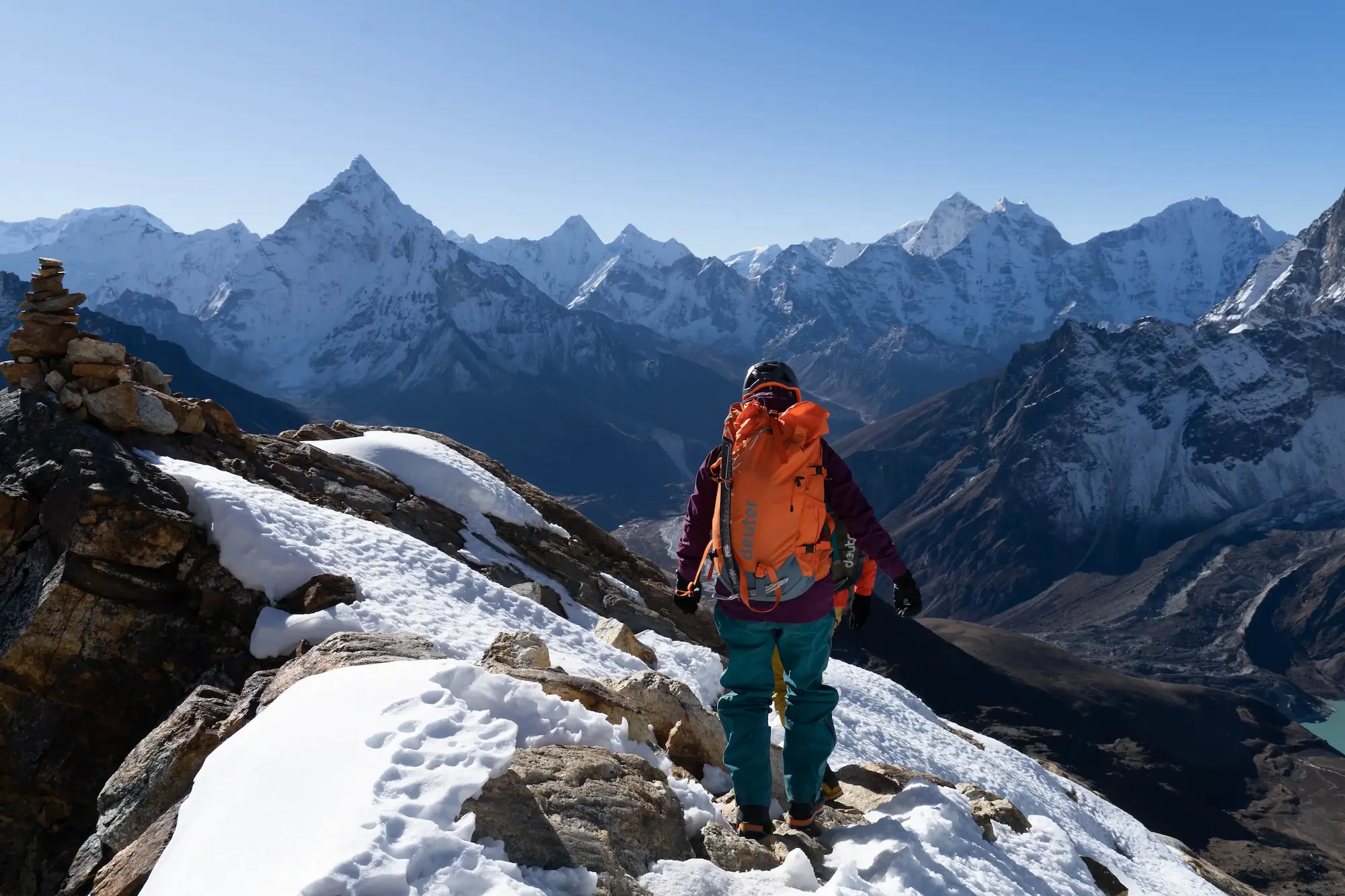
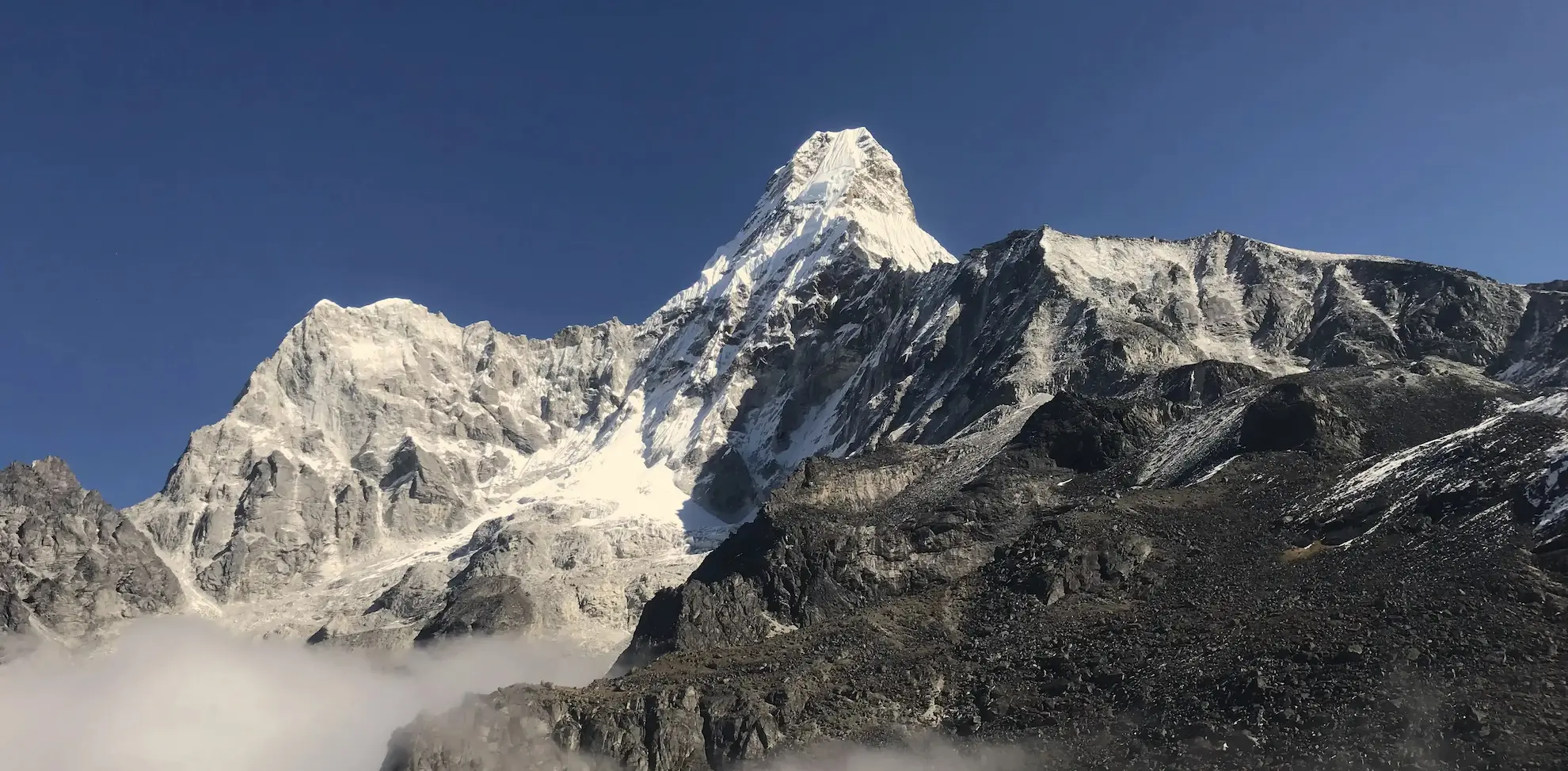
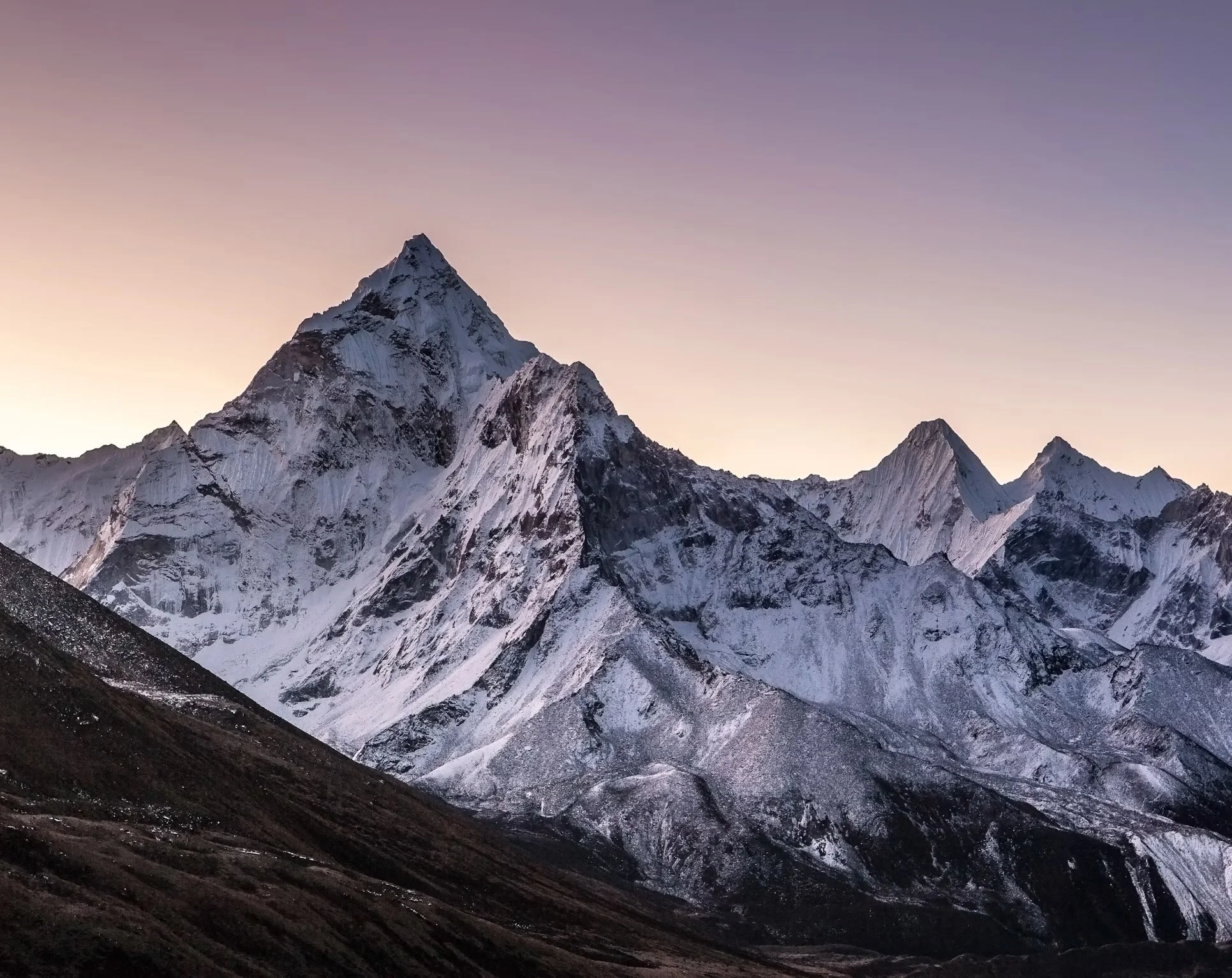
The Ama Dablam Expedition is one of the most iconic and technically demanding mountaineering objectives in Nepal. Rising to 6,812 meters (22,350 feet), Ama Dablam is widely known as the “Matterhorn of the Himalayas” due to its elegant pyramid shape, sharp ridgelines, and dramatic exposure above the Khumbu Valley.
Located in Nepal’s Everest region within Sagarmatha National Park, Ama Dablam holds deep cultural significance for the local Sherpa community. Its name translates to “Mother’s Necklace,” symbolizing protection and spiritual connection. The long ridges resemble a mother’s outstretched arms, while the hanging glacier on the southwest face—the Dablam—resembles a traditional pendant worn by Sherpa women.
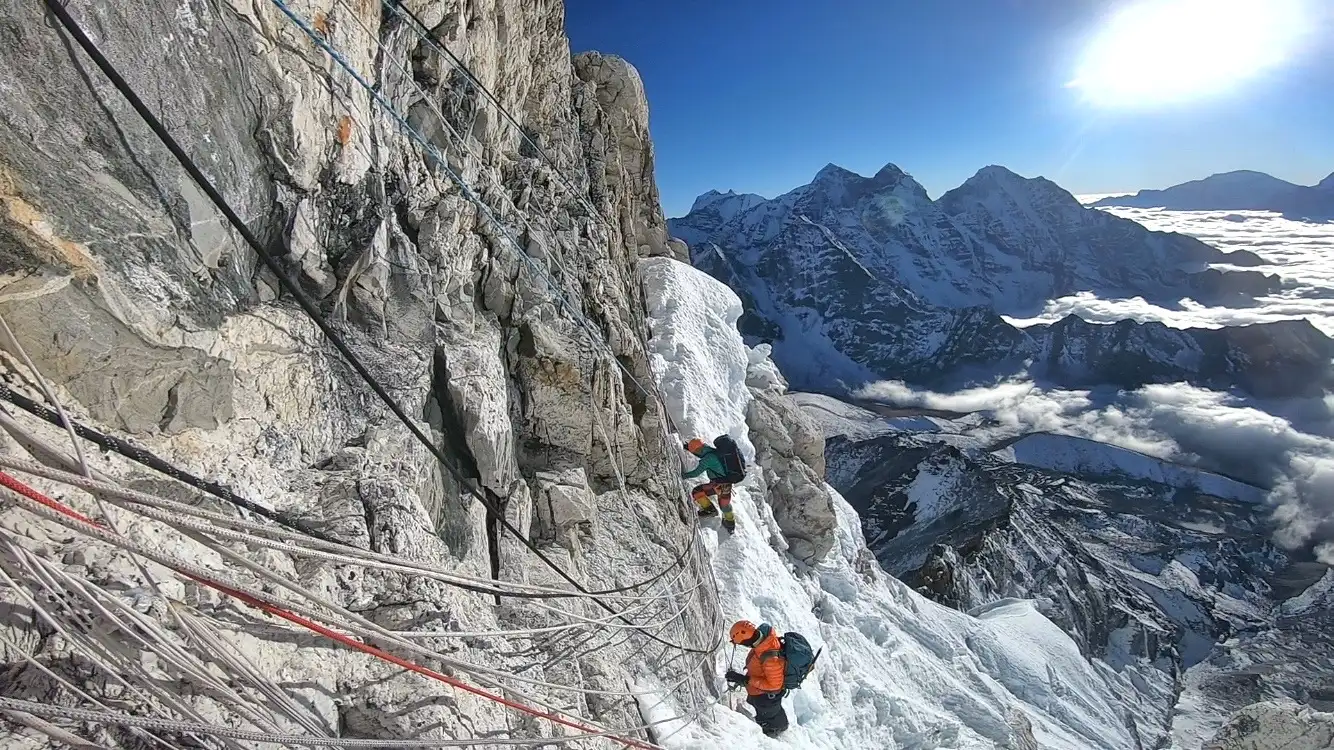
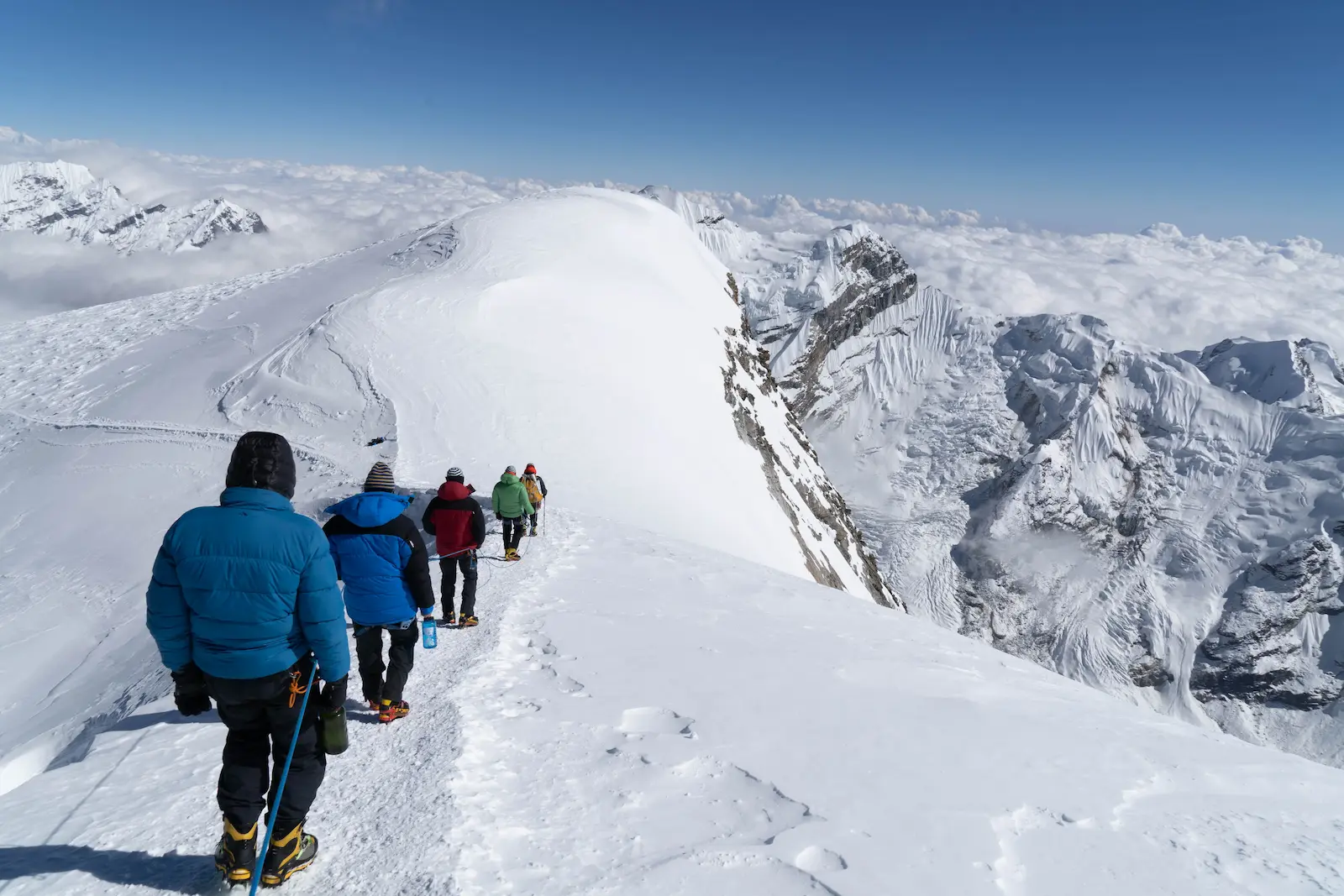
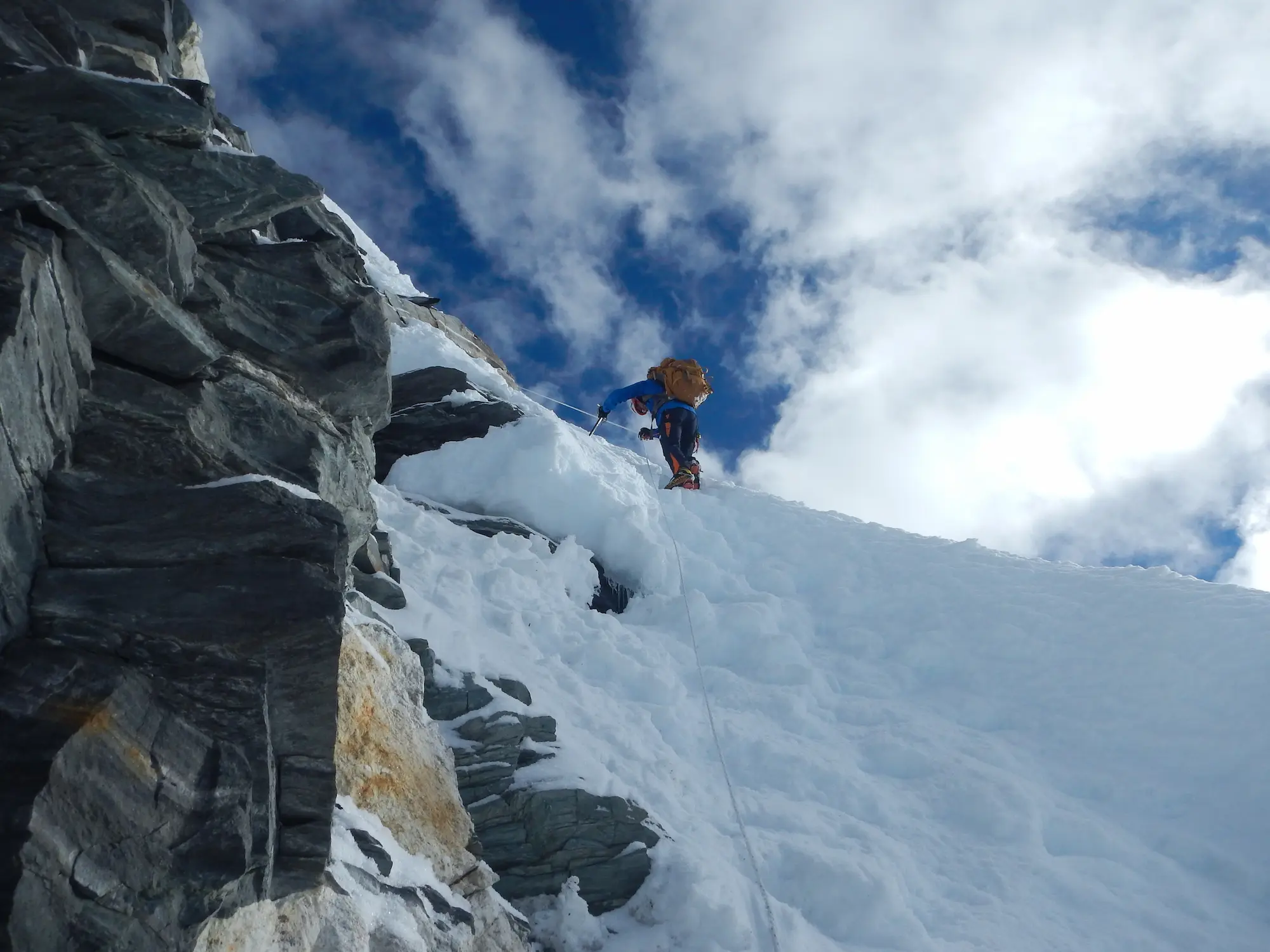
Ama Dablam is renowned for its technical climbing, making it one of the most respected peaks in the 6,000-meter range. The Southwest Ridge is the standard climbing route and involves sustained sections of rock climbing, snow ridges, ice climbing, and exposed traverses. Strong technical skills, prior alpine experience, and comfort on fixed ropes are essential.
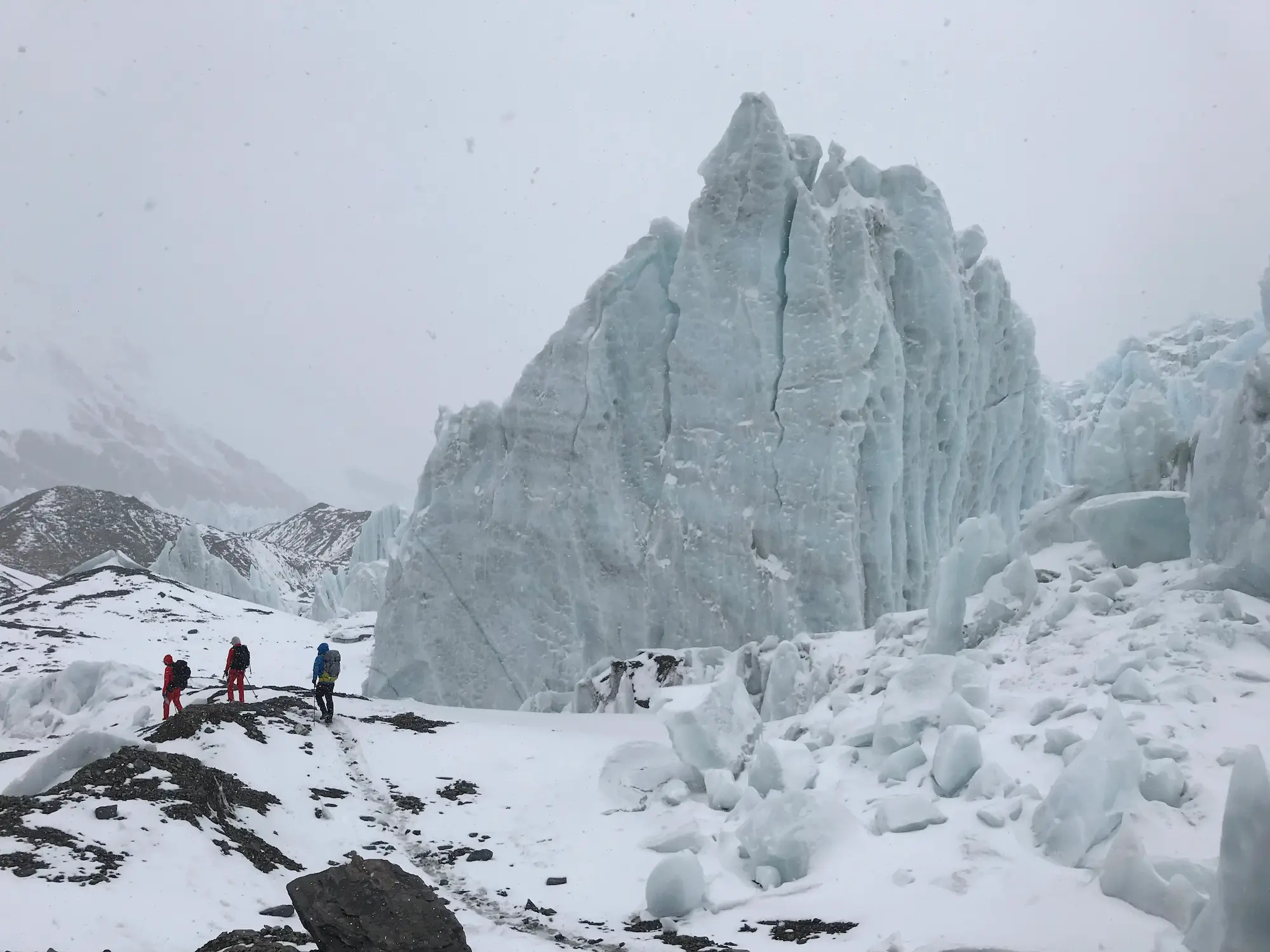
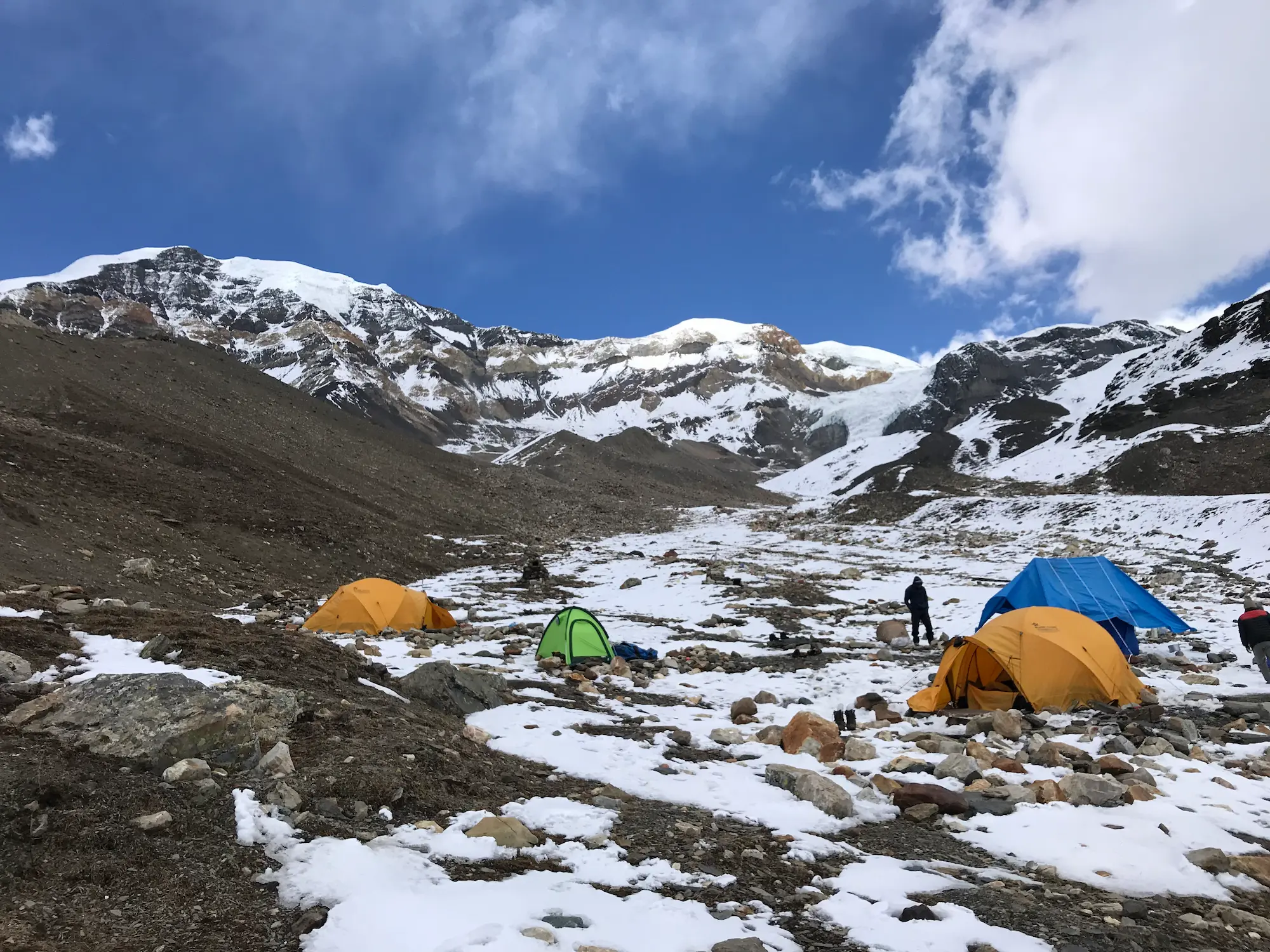
A typical Ama Dablam expedition includes a gradual approach trek through the Khumbu Valley, followed by acclimatization and technical preparation at Ama Dablam Base Camp (approximately 4,600–4,570 meters). Climbers establish a series of camps along narrow ridges and steep terrain, requiring precise movement, efficient rope systems, and disciplined pacing.
The expedition is led by IFMGA / UIAGM-certified mountain guides, supported by an experienced local high-altitude Sherpa team responsible for route preparation, fixed ropes, camp logistics, and safety support. This combination of international guiding standards and deep local mountain knowledge ensures a structured, professional, and safety-focused climb.
Ama Dablam is often considered a benchmark Himalayan climb and an excellent preparation peak for higher objectives such as Mount Everest and Lhotse. Its technical complexity, exposure, and altitude provide a true alpine experience in the heart of the Himalayas.