Expedition Style & Leadership
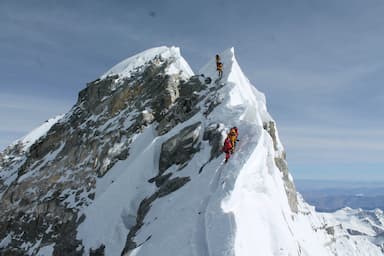
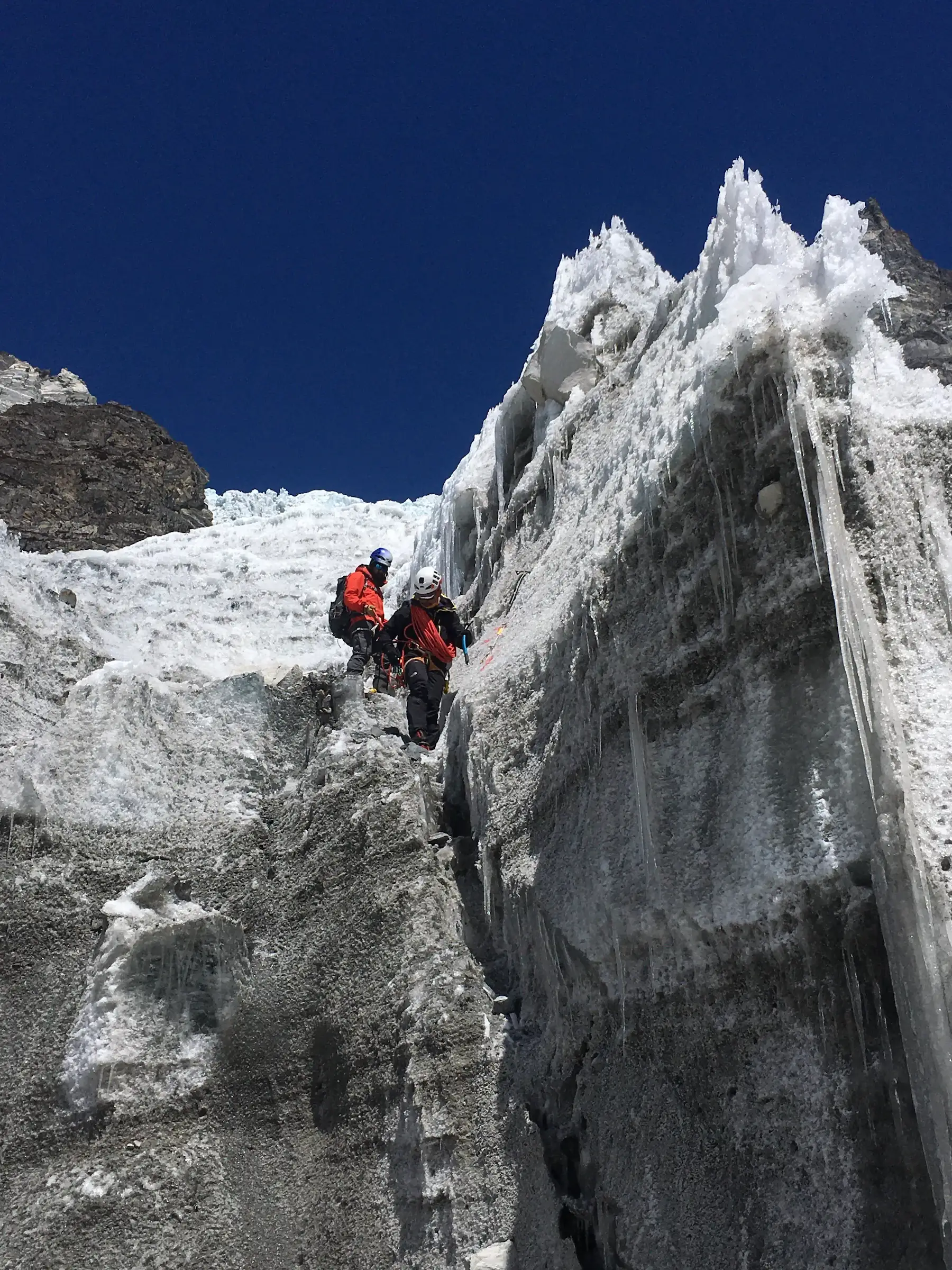
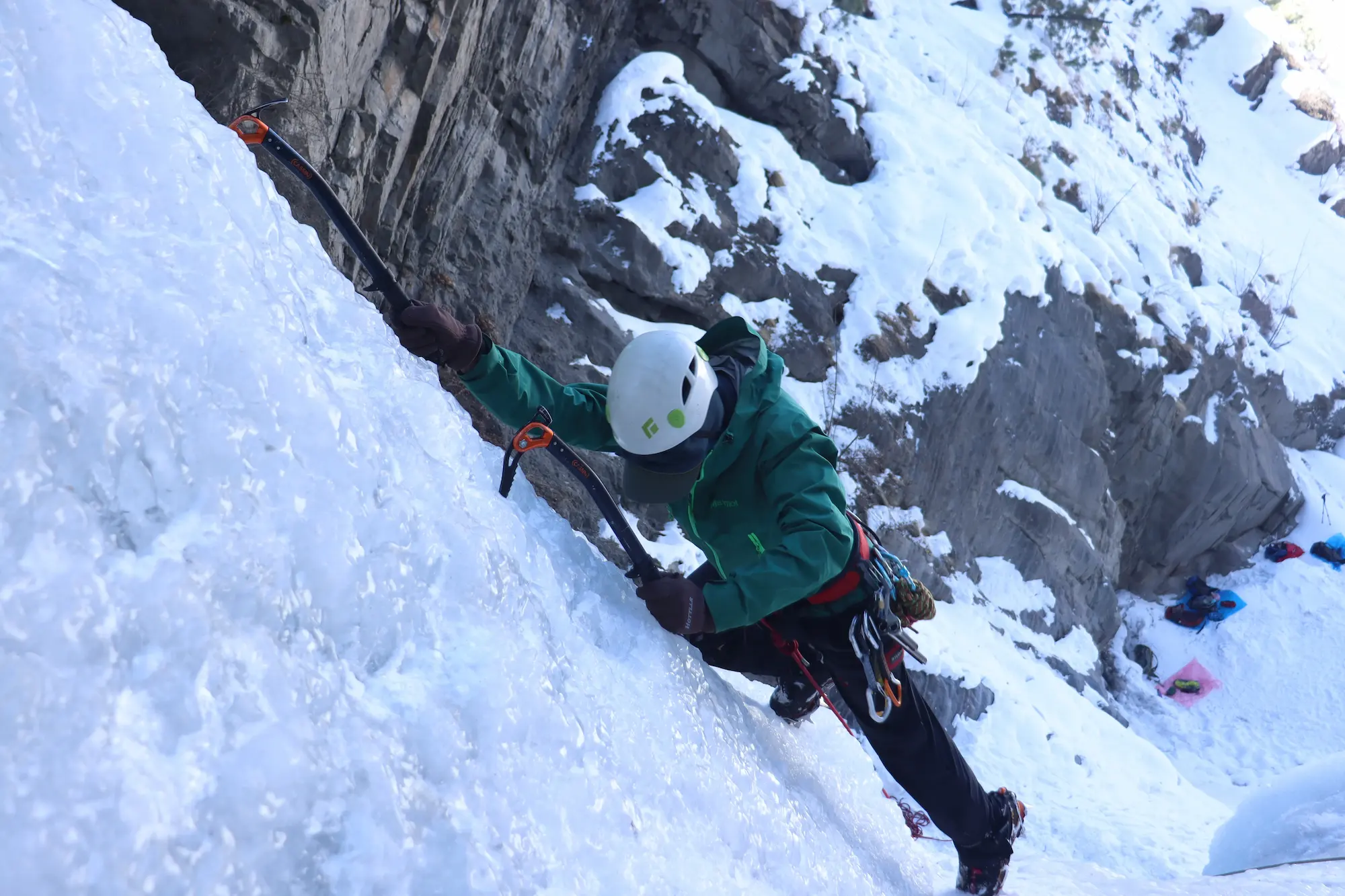
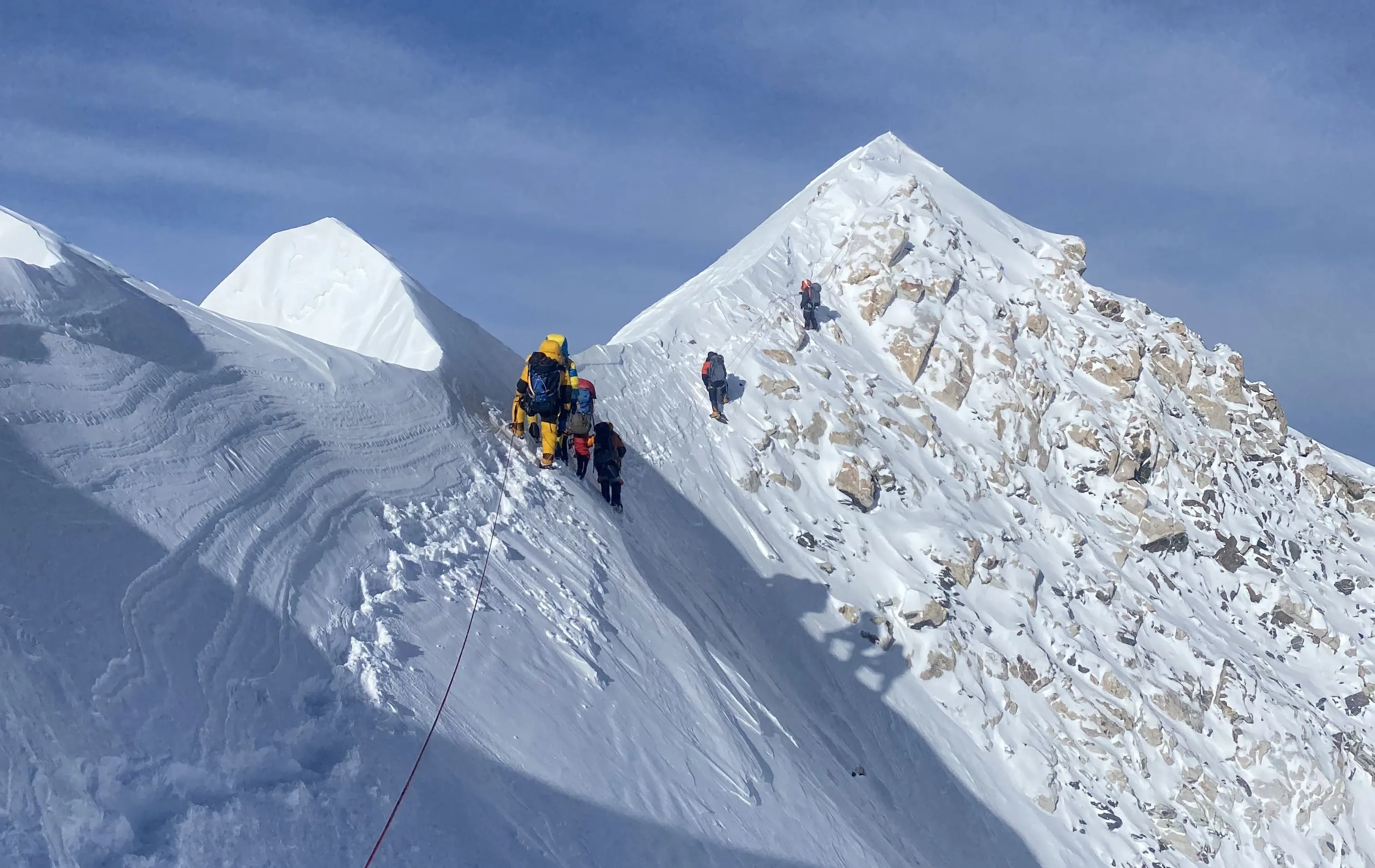
This expedition follows a traditional expedition-style ascent, combining progressive acclimatization, load carries, and fixed-rope sections through technical terrain. Leadership by an IFMGA/UIAGM-certified guide ensures international guiding standards, disciplined risk management, and professional decision-making at extreme altitude.
The guiding structure prioritizes climber safety, effective acclimatization, and flexible summit planning based on weather and individual performance.
Route Overview
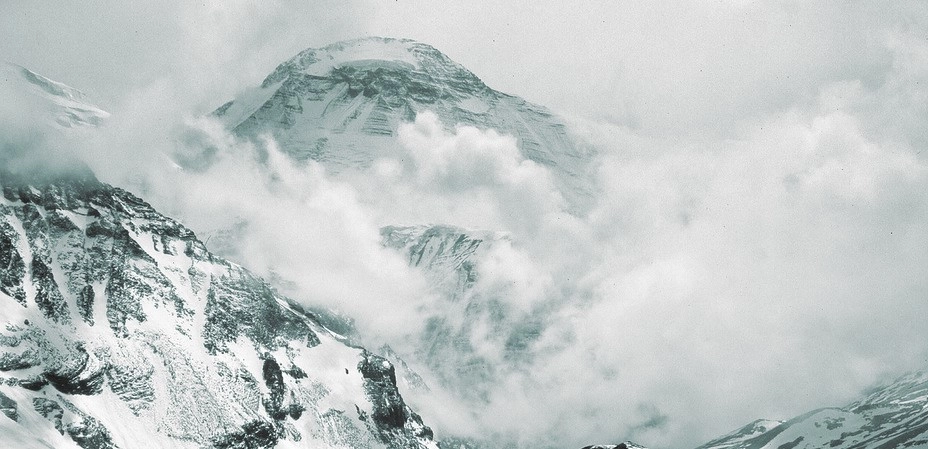
The standard route ascends via the North-East Ridge, approached through a long circuit around the mountain via French Col (5,334 m) and North-East Col. The route involves:
Multiple high camps are established above base camp to support acclimatization and a controlled summit push from the highest camp.
Acclimatization & Physical Demands
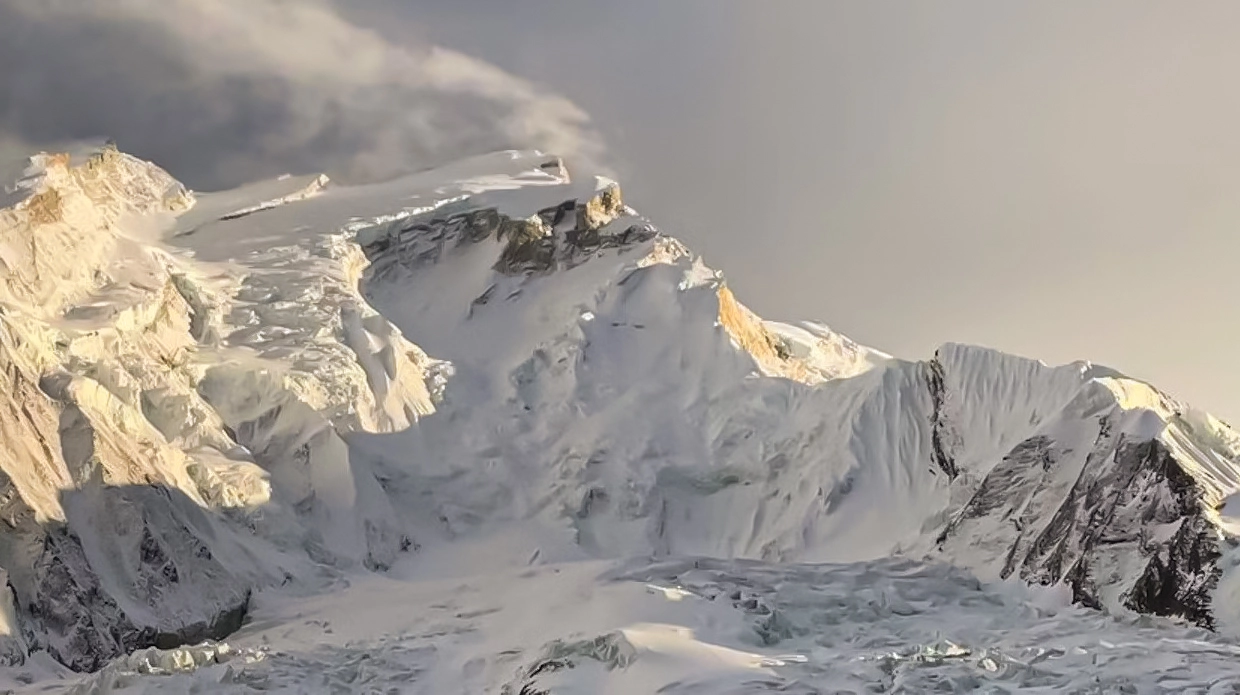
Dhaulagiri is widely regarded as one of the most physically demanding 8,000-meter peaks. Long summit days, deep snow, and sustained effort at altitude require excellent conditioning and stamina.
Key demands include:
-
Structured acclimatization rotations
-
Strong cardiovascular endurance
-
Ability to function in cold, low-oxygen environments
-
Mental resilience for long summit pushes (often 12–16 hours)
Safety & Risk Management
Safety is a core priority throughout the expedition. Under IFMGA leadership, the expedition follows strict protocols for:
-
Continuous risk assessment
-
Weather and route condition monitoring
-
Rope discipline and movement systems
-
Emergency response planning and communication
Each climber must carry comprehensive high-altitude insurance covering medical treatment and emergency evacuation, and must follow guide instructions at all times.
Approach & Remoteness
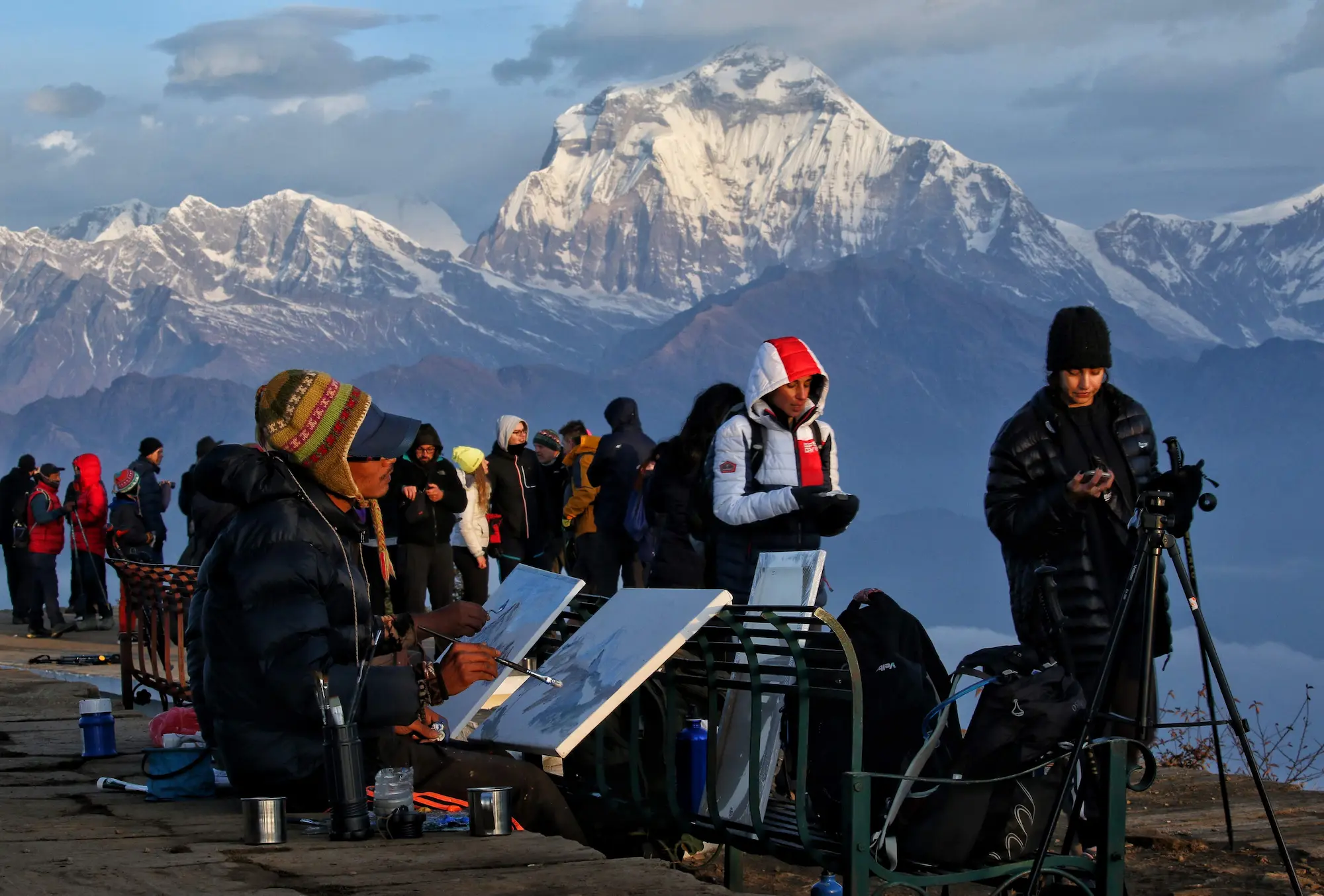
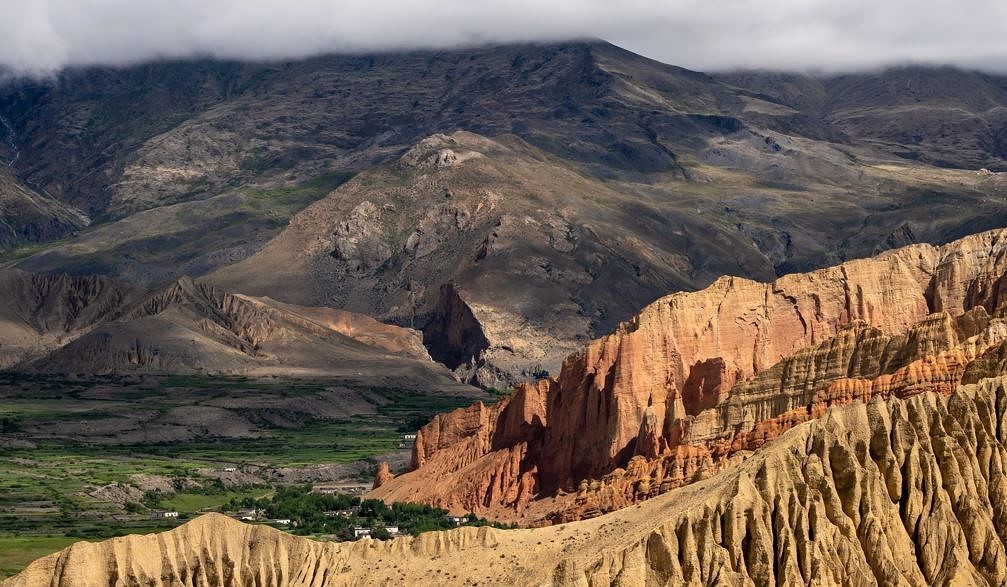
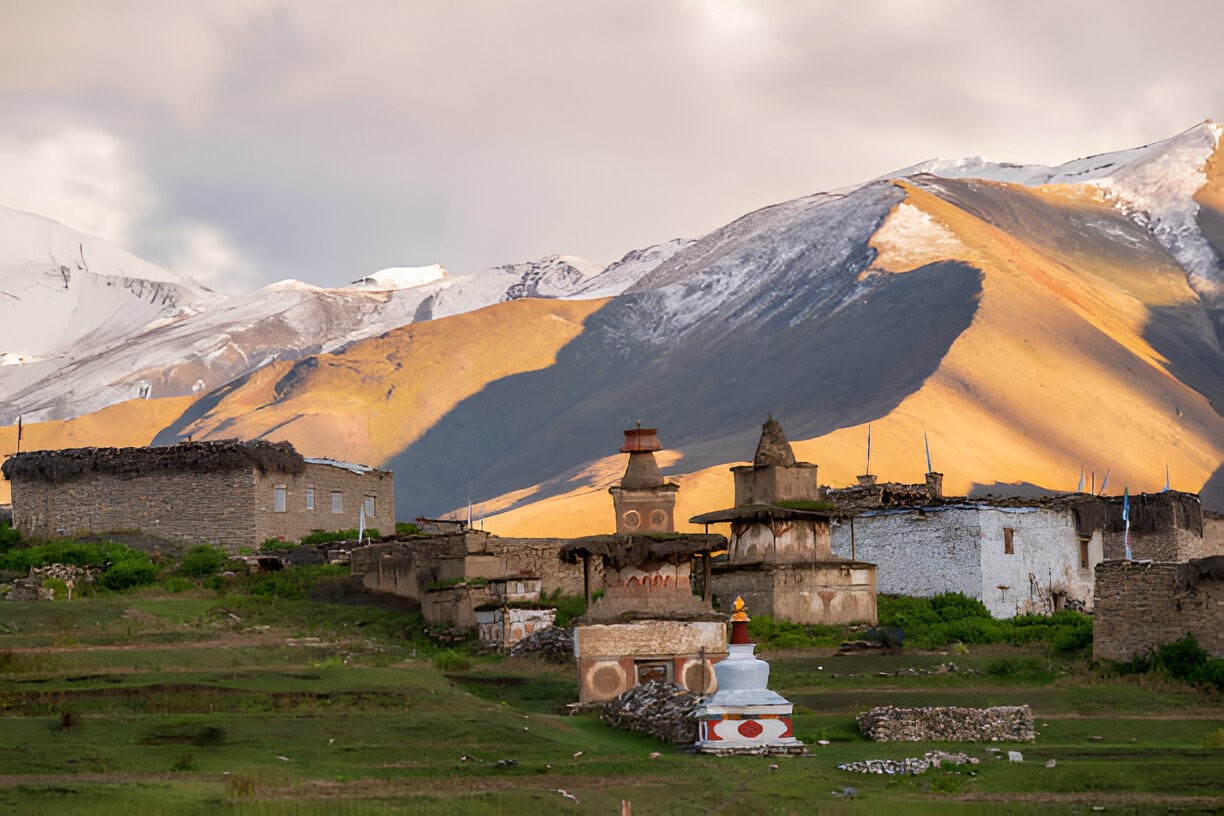
The expedition begins with an overland journey from Kathmandu to Beni Bazaar, followed by a remote trek through the Kali Gandaki region toward base camp. The approach offers exceptional views of the Kali Gandaki Gorge and surrounding Himalayan landscapes.
Dhaulagiri’s isolation means fewer climbers, limited rescue options, and a true expedition atmosphere requiring self-reliance and strong teamwork.
Who This Expedition Is For
The Dhaulagiri Expedition is suitable for:
-
Experienced mountaineers with prior 7,000–8,000 m experience
-
Climbers seeking a serious, less-commercialized 8,000-meter objective
-
Alpinists preparing for elite Himalayan challenges
-
Mountaineers who value IFMGA-led leadership and structured expedition logistics
This expedition is not suitable for first-time high-altitude climbers.
Why Choose Climb Himalayas for Dhaulagiri
-
Expedition led by IFMGA/UIAGM-certified mountain guide
-
Experienced high-altitude Sherpa support
-
Structured acclimatization and summit strategy
-
Strong focus on safety, preparation, and expedition integrity
-
Responsible and professional Himalayan operations
A True 8,000-Meter Himalayan Challenge
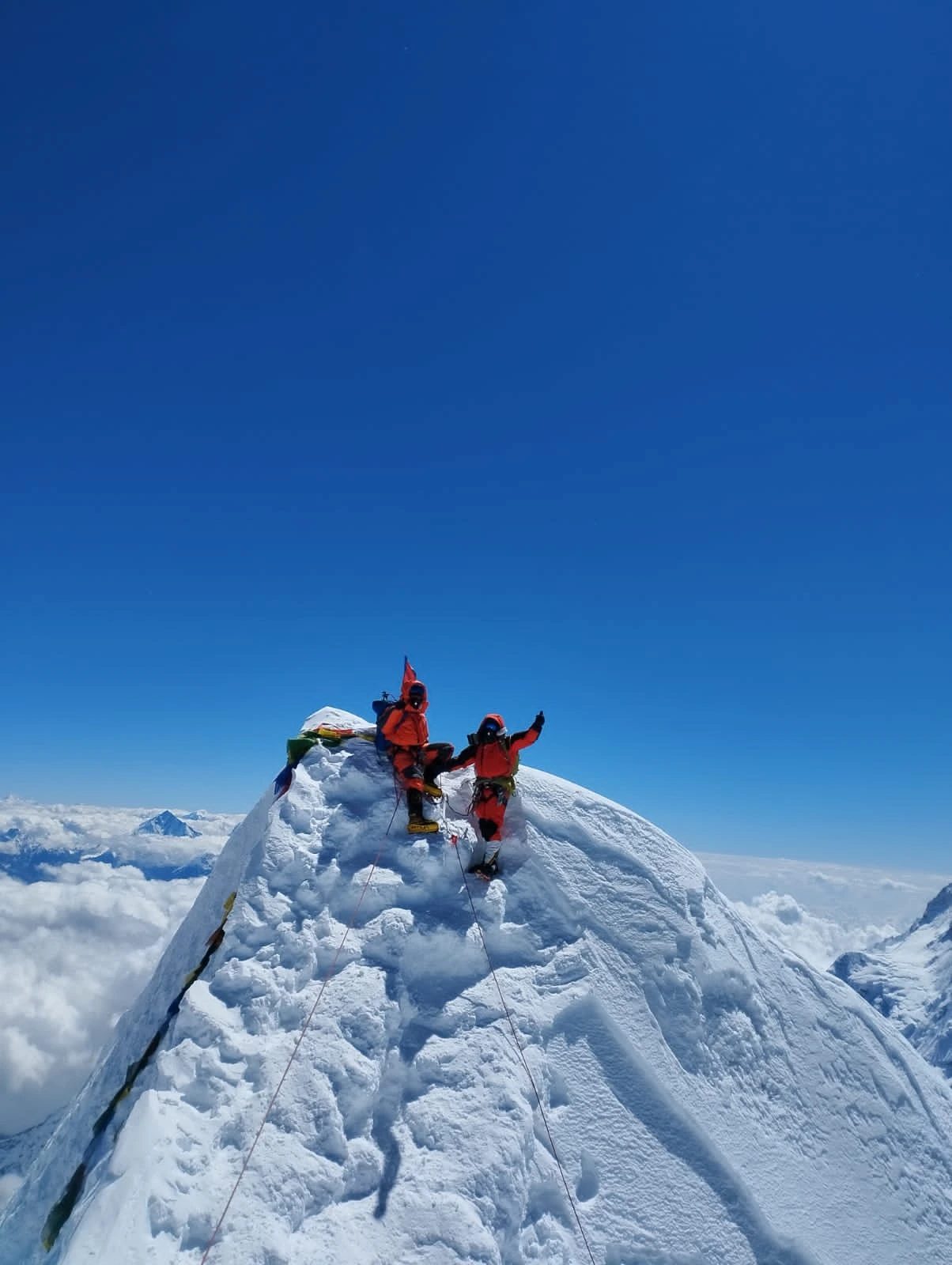
Climbing Mount Dhaulagiri is a defining achievement in high-altitude mountaineering. Its scale, isolation, and demanding conditions require complete commitment and respect for the mountain.
Under expert leadership from Climb Himalayas, this expedition offers a professional, well-structured opportunity to attempt one of the world’s great Himalayan summits—where success is measured not only by reaching the top, but by climbing responsibly and returning safely.