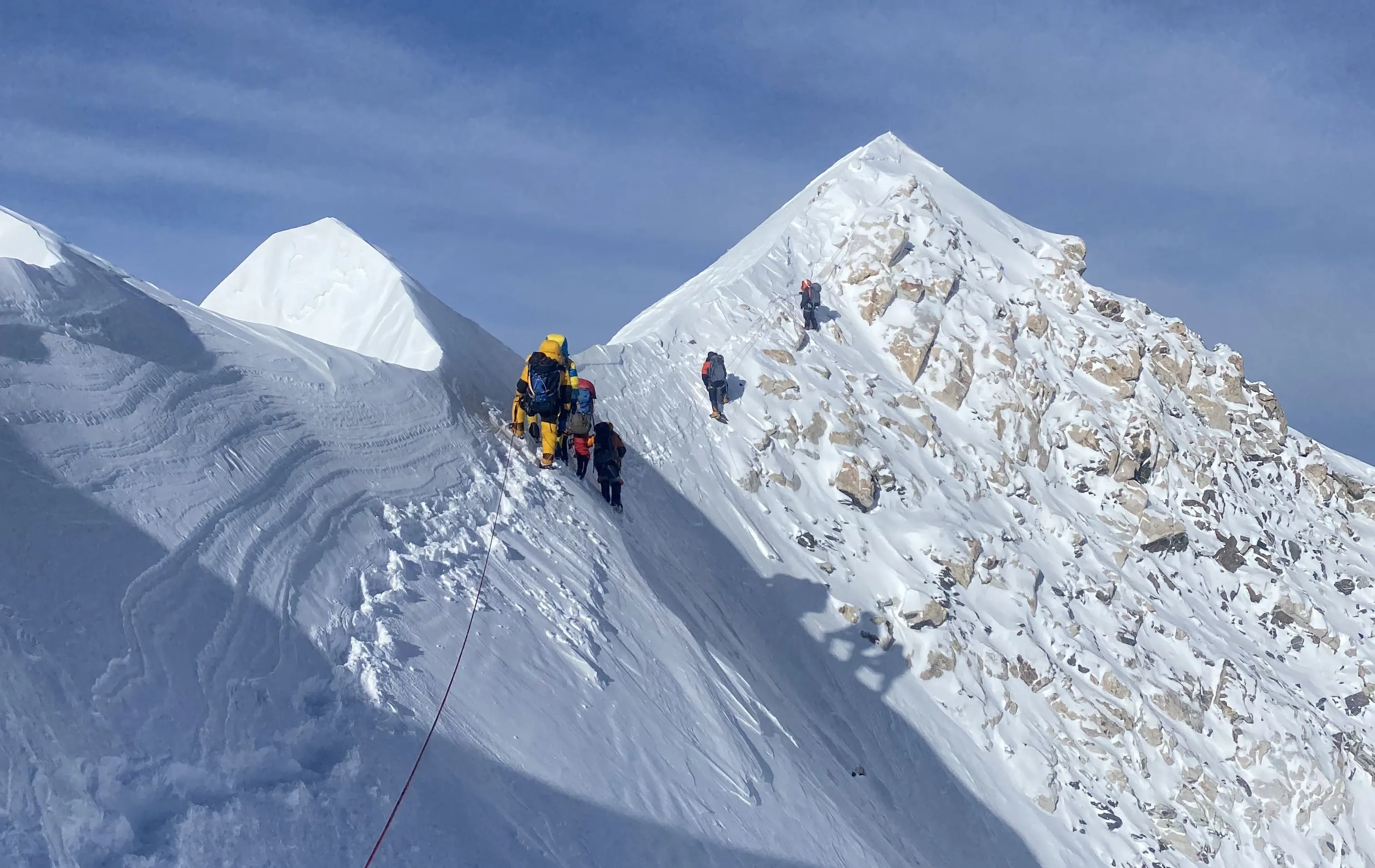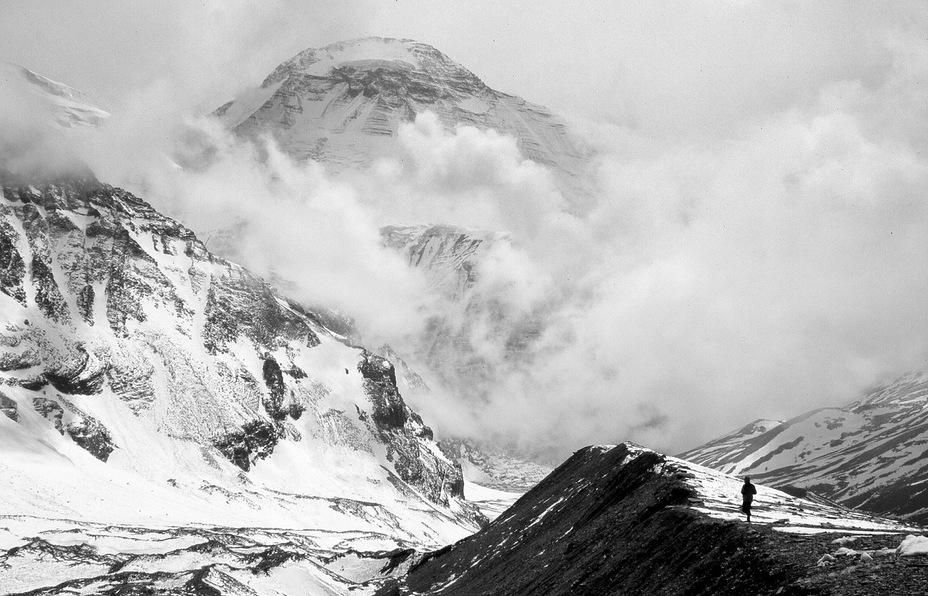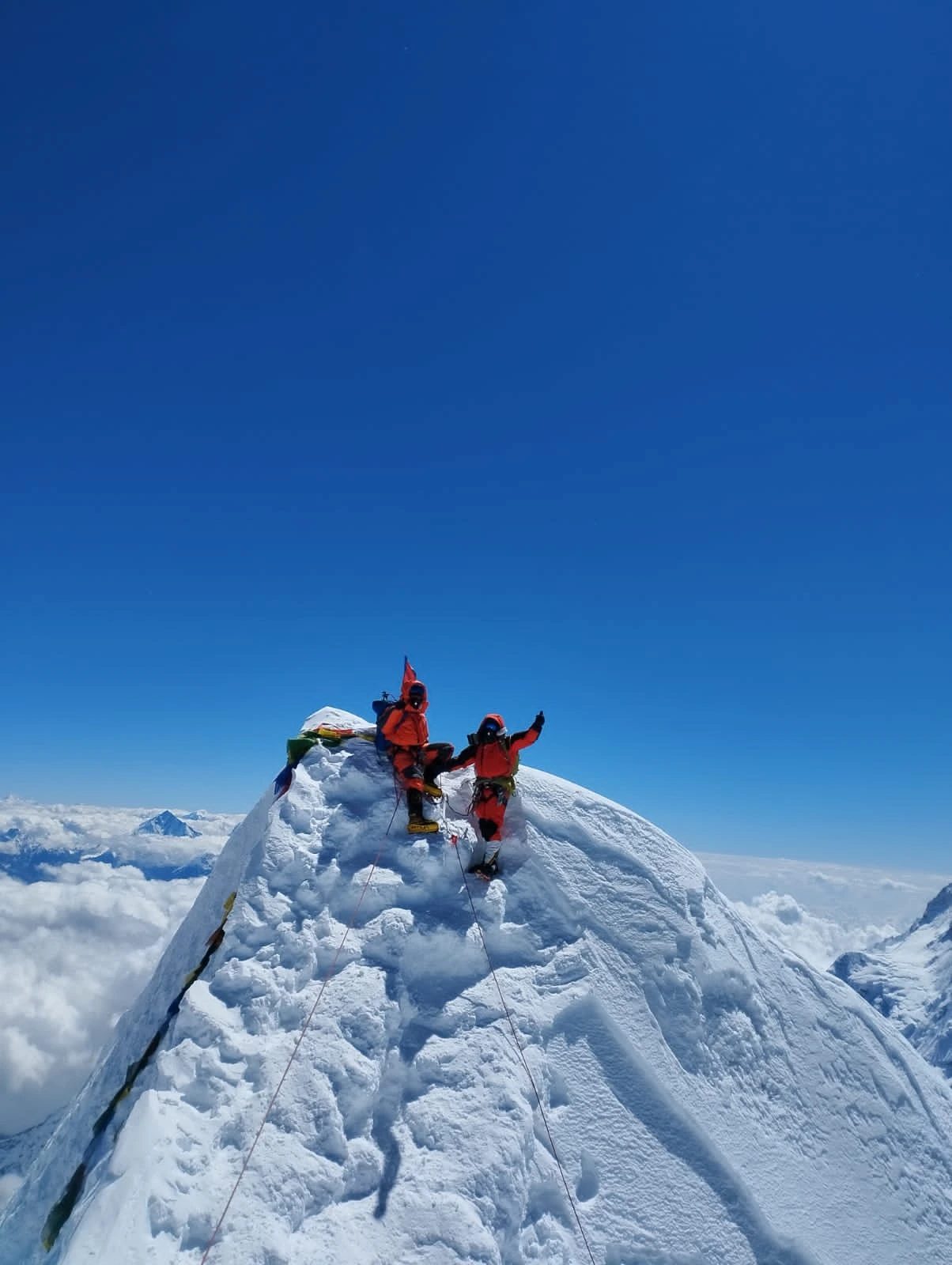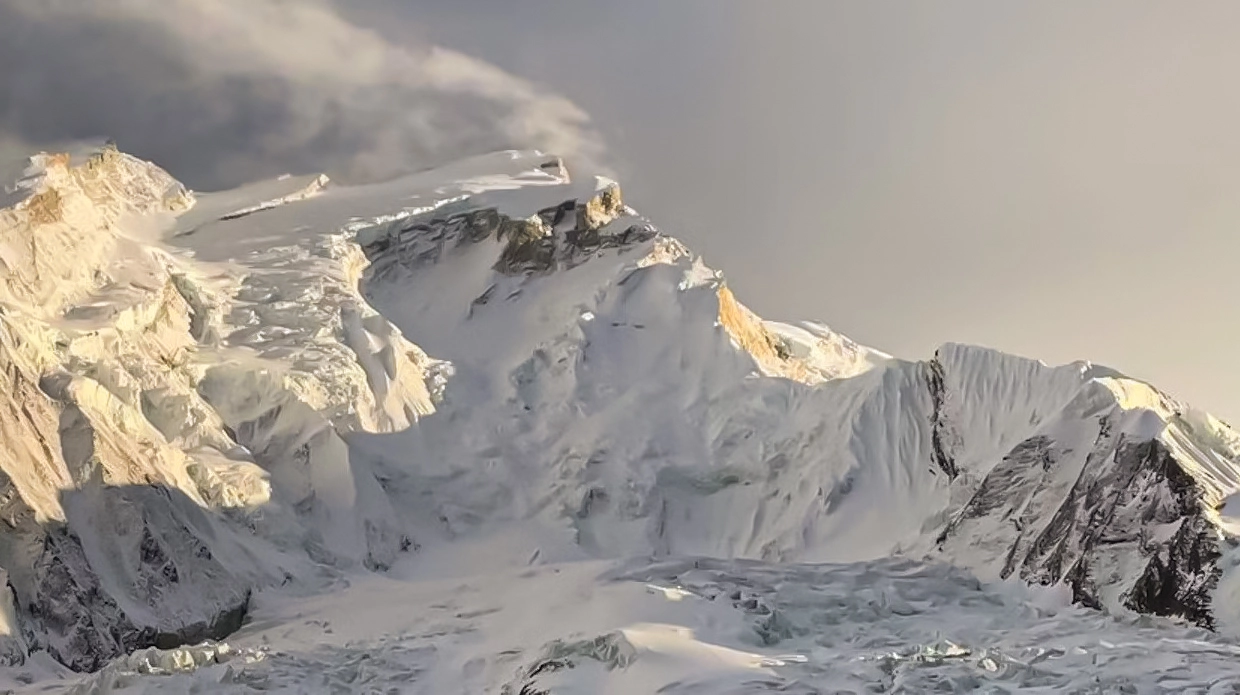
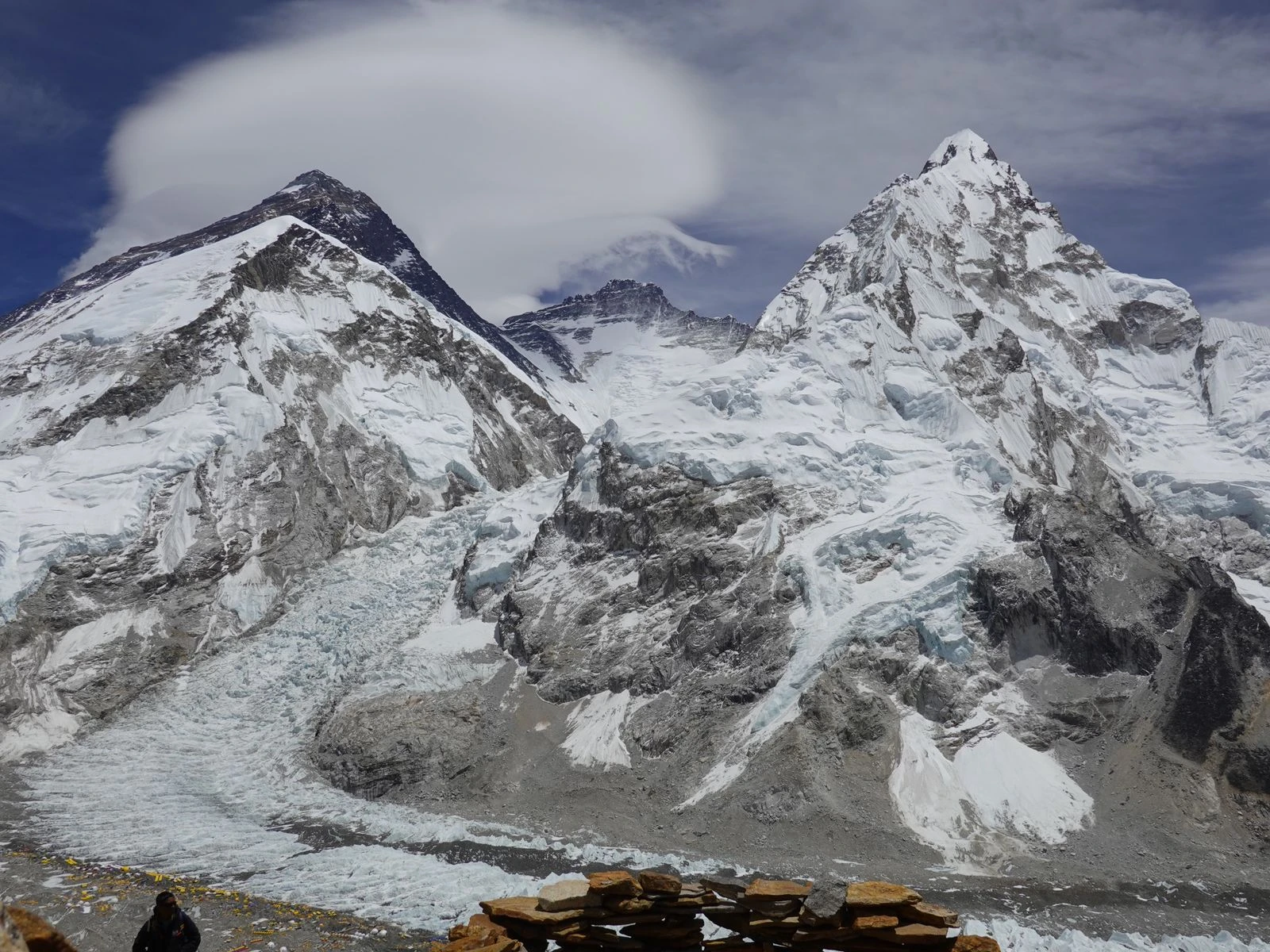
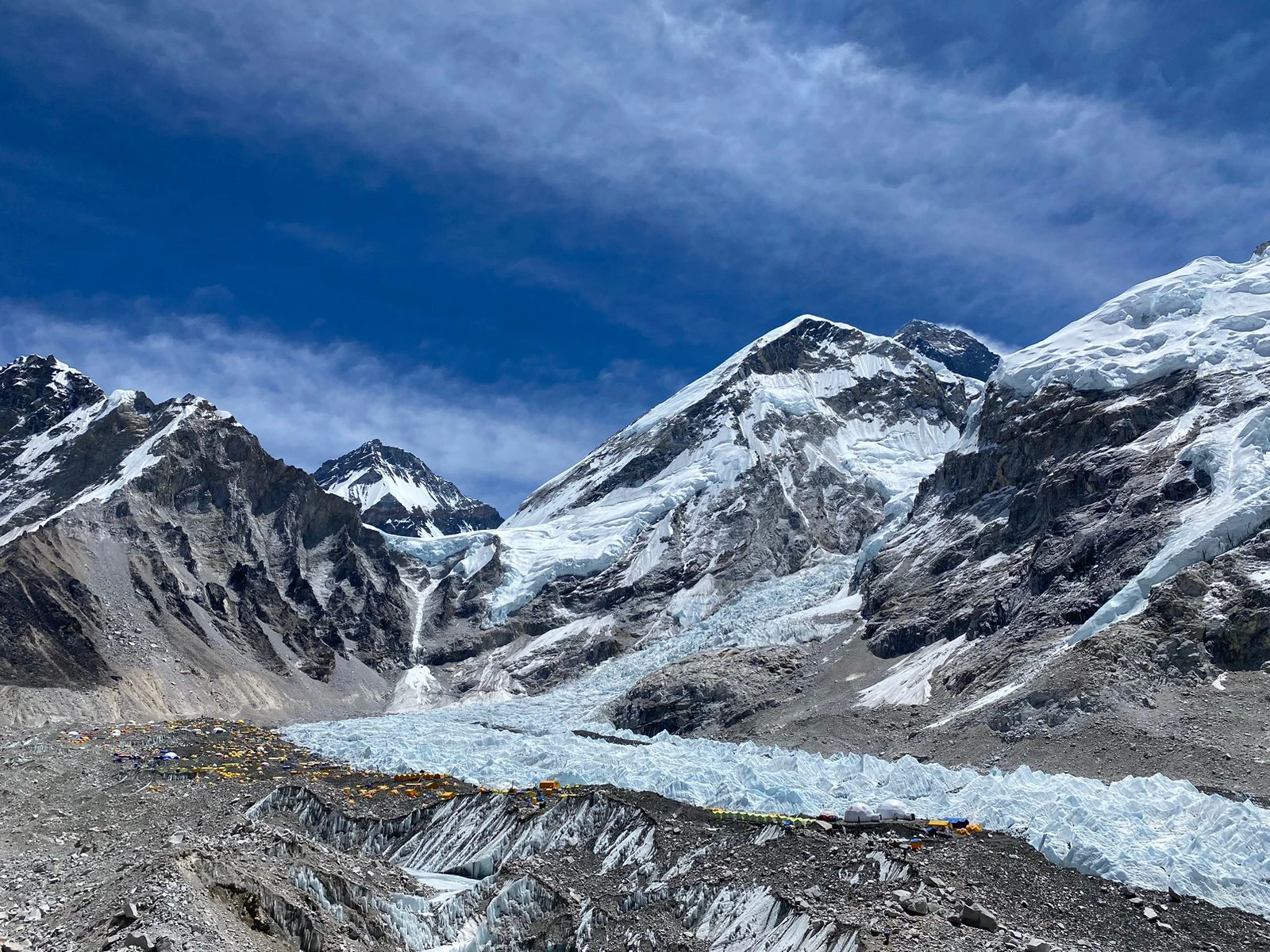
The Mount Everest Expedition is one of the most demanding undertakings in high-altitude mountaineering. Rising to 8,848.86 meters (29,031.69 feet), Mount Everest is the highest mountain on Earth and requires extensive preparation, discipline, and respect for extreme conditions.
Located in the heart of the Himalayas on the border between Nepal and Tibet (China), Mount Everest is known as Sagarmatha in Nepal, meaning “Goddess of the Sky,” and Chomolungma in Tibet, meaning “Holy Mother of the World.” These names reflect the mountain’s deep cultural and spiritual importance to local Himalayan communities.
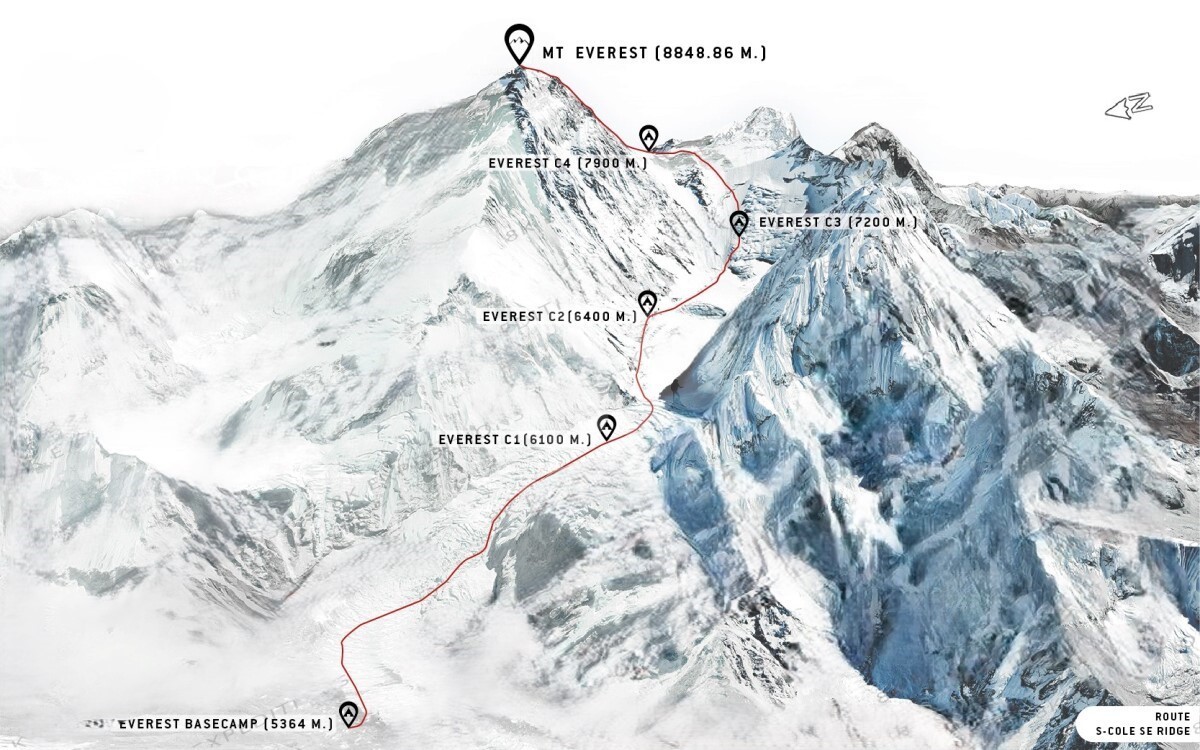
A standard Everest expedition via the South Col route from Nepal typically lasts 35 to 45 days, allowing time for acclimatization, rotation climbs, and weather-dependent summit attempts. The journey begins in Kathmandu, followed by a flight to Lukla and a gradual trek through the Khumbu Valley to Everest Base Camp (5,364 m), where climbers adapt to altitude and prepare for higher camps.
Above Base Camp, conditions become increasingly severe. Extreme cold, strong winds, low oxygen levels, and objective hazards are constant challenges. The Khumbu Icefall, with its shifting crevasses and ice towers, is one of the most technically demanding sections of the route. Higher on the mountain, the South Col and final summit push require careful pacing, teamwork, and sound judgment.
Experienced Sherpa climbers and local high-altitude guides play a central role in Everest expeditions, supporting route fixing, camp setup, oxygen management, and high-altitude safety. Inspired by the legacy of Tenzing Norgay Sherpa, modern Everest expeditions combine deep local mountain knowledge with international guiding standards. The expedition is led by IFMGA / UIAGM-certified mountain guides, ensuring professional decision-making, structured acclimatization, and responsible mountaineering practices throughout the climb.
While reaching the summit is the goal, the primary objective of an Everest expedition is to climb responsibly and return safely. With proper preparation and respect for the mountain, Everest remains a powerful test of human endurance and decision-making.