45 Days

Mt. Everest Expedition

Price per person $45000
Altitude 8848.86m
Difficulty Extreme
Group size 1-15
Climb Style Normal

Overview

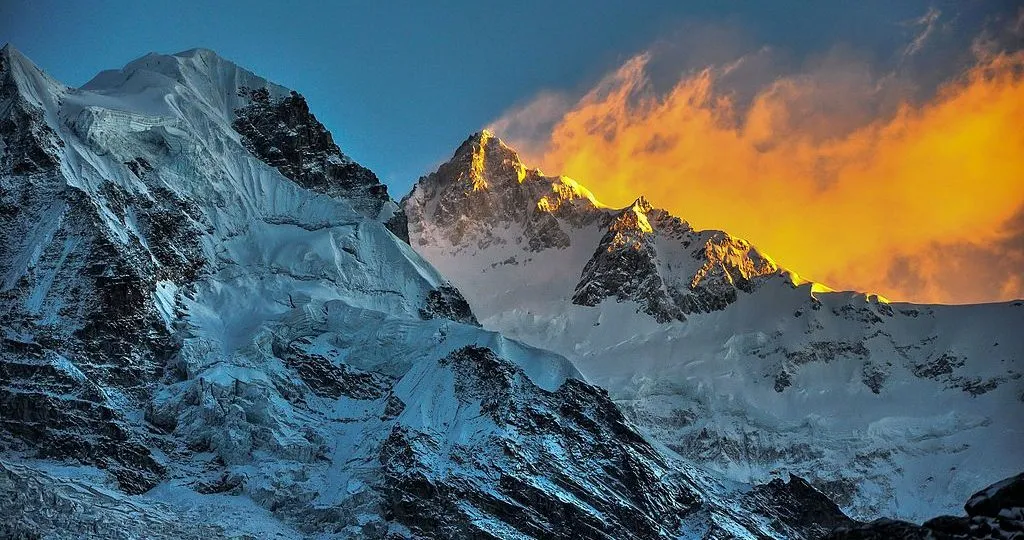
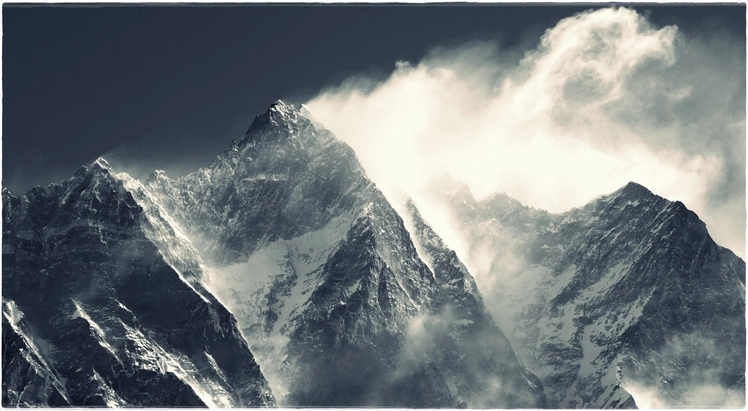
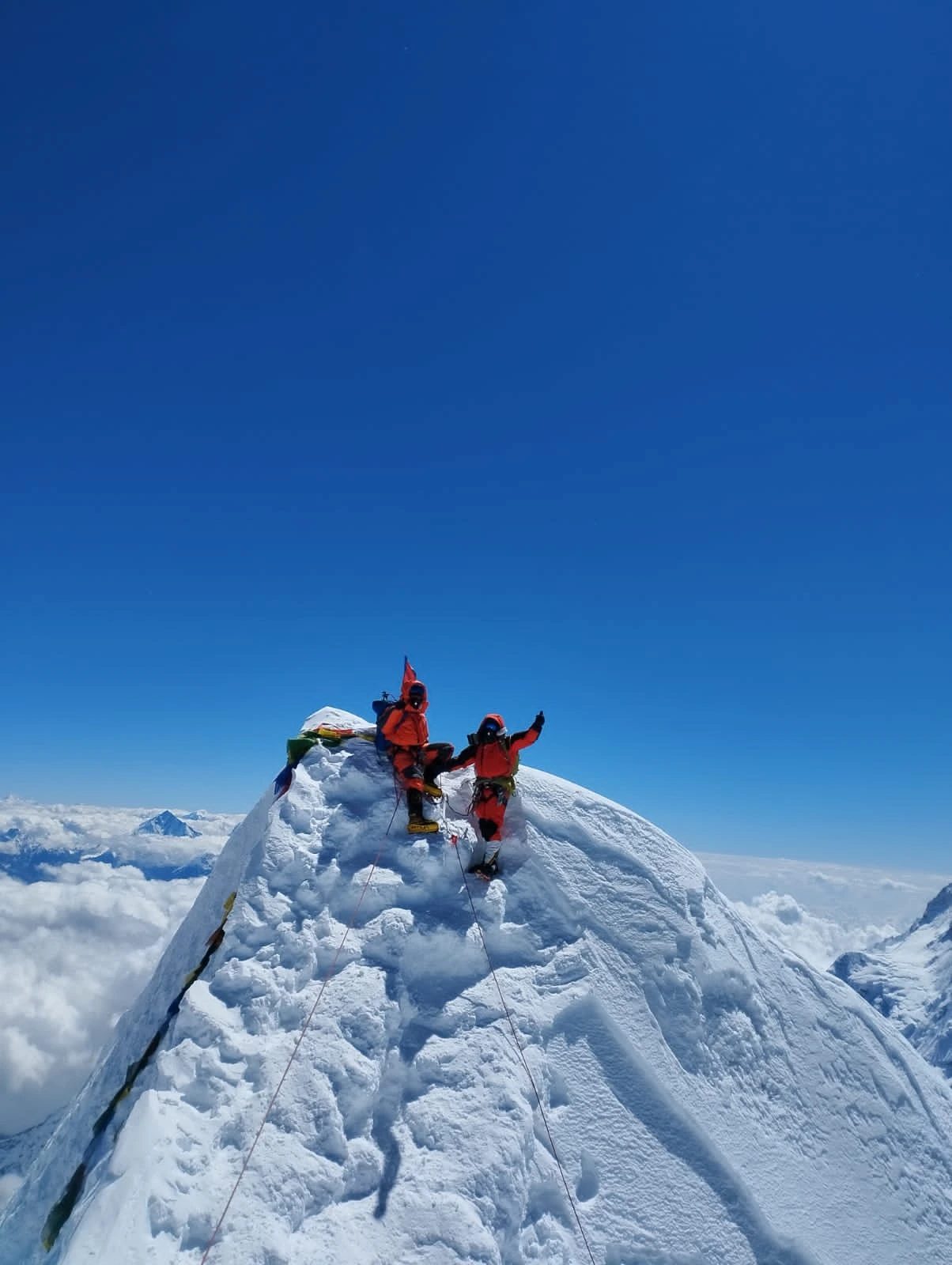
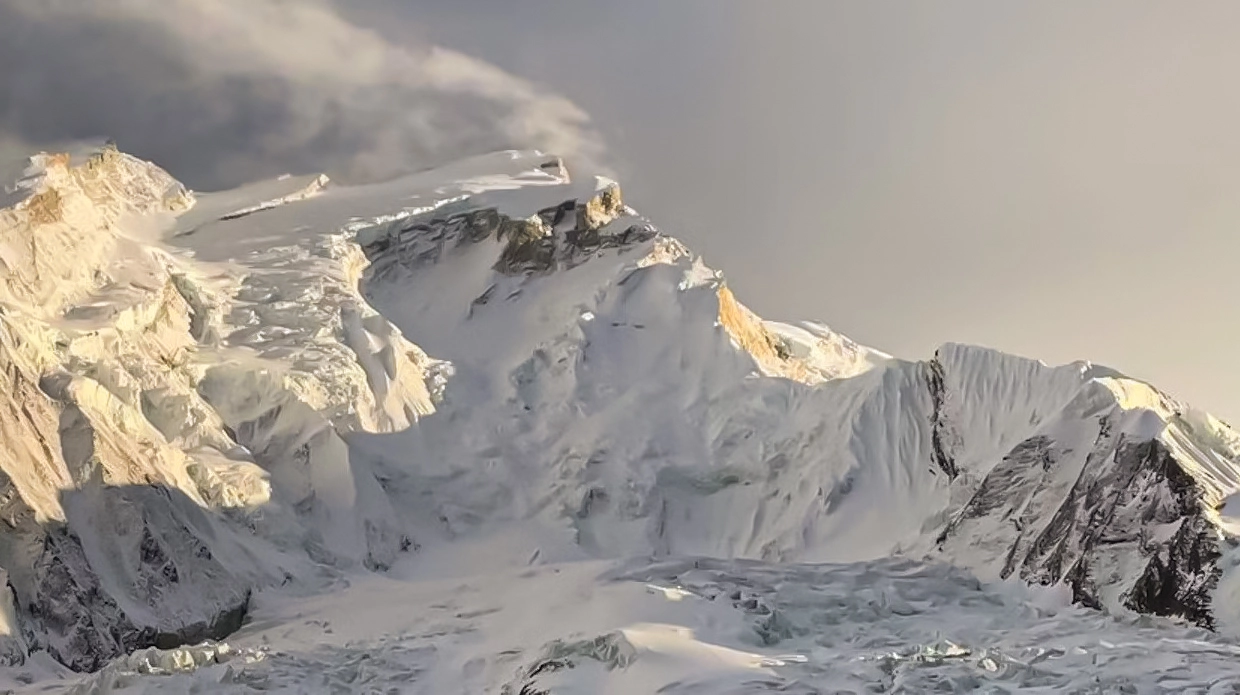
The Mount Everest Expedition is one of the most demanding undertakings in high-altitude mountaineering. Rising to 8,848.86 meters (29,031.69 feet), Mount Everest is the highest mountain on Earth and requires extensive preparation, discipline, and respect for extreme conditions.

Located in the heart of the Himalayas on the border between Nepal and Tibet (China), Mount Everest is known as Sagarmatha in Nepal, meaning “Goddess of the Sky,” and Chomolungma in Tibet, meaning “Holy Mother of the World.” These names reflect the mountain’s deep cultural and spiritual importance to local Himalayan communities.

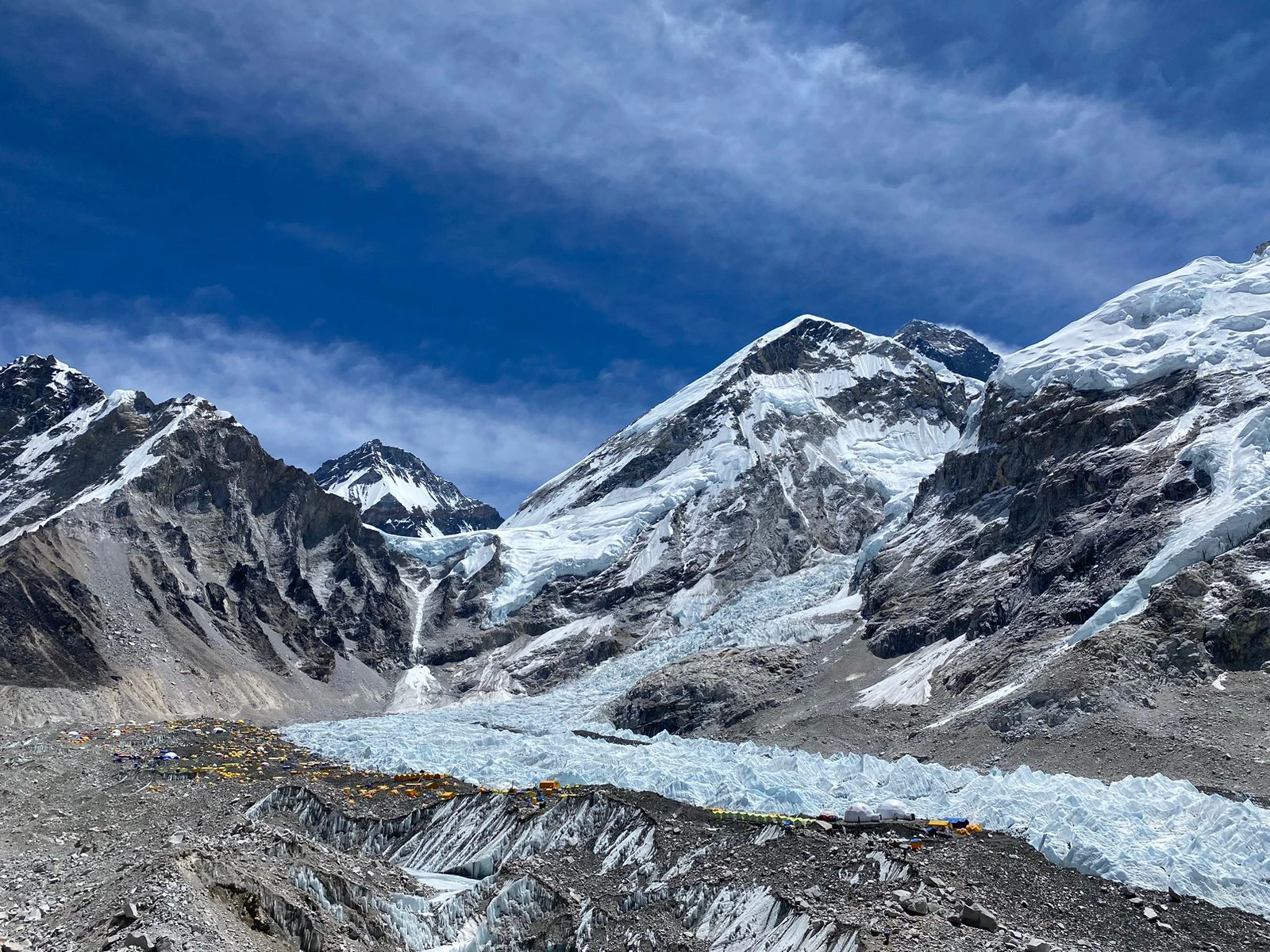
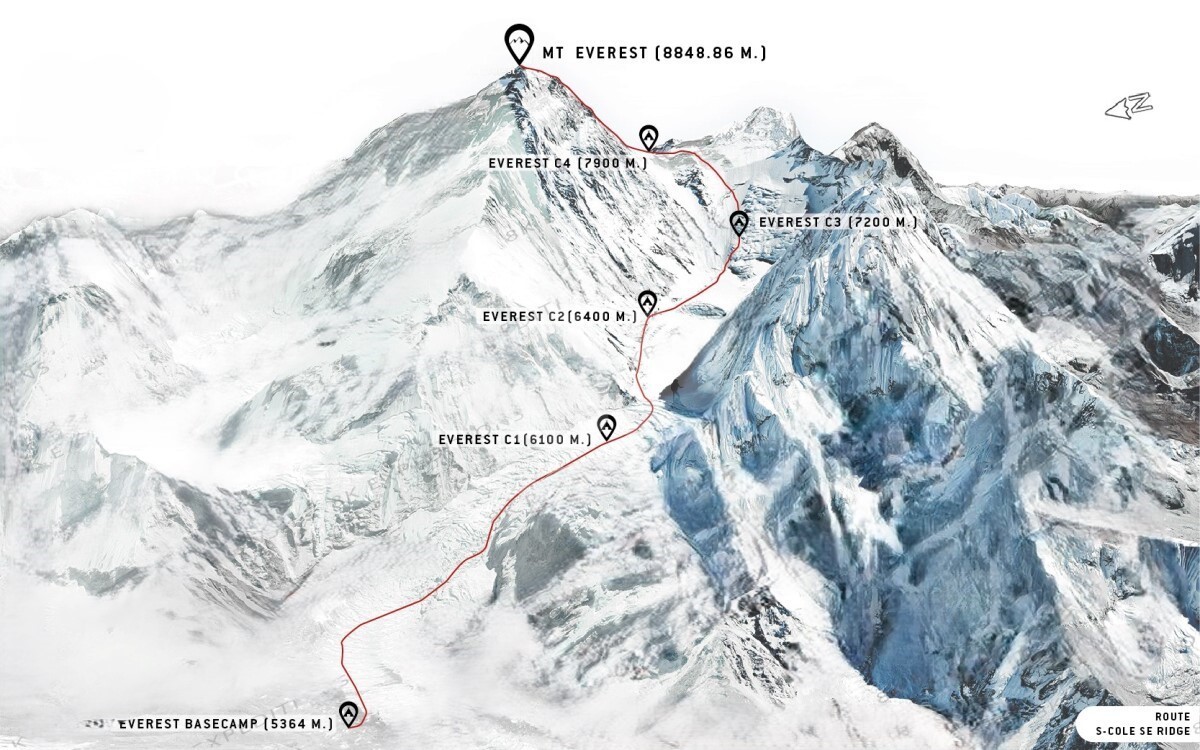
A standard Everest expedition via the South Col route from Nepal typically lasts 35 to 45 days, allowing time for acclimatization, rotation climbs, and weather-dependent summit attempts. The journey begins in Kathmandu, followed by a flight to Lukla and a gradual trek through the Khumbu Valley to Everest Base Camp (5,364 m), where climbers adapt to altitude and prepare for higher camps.

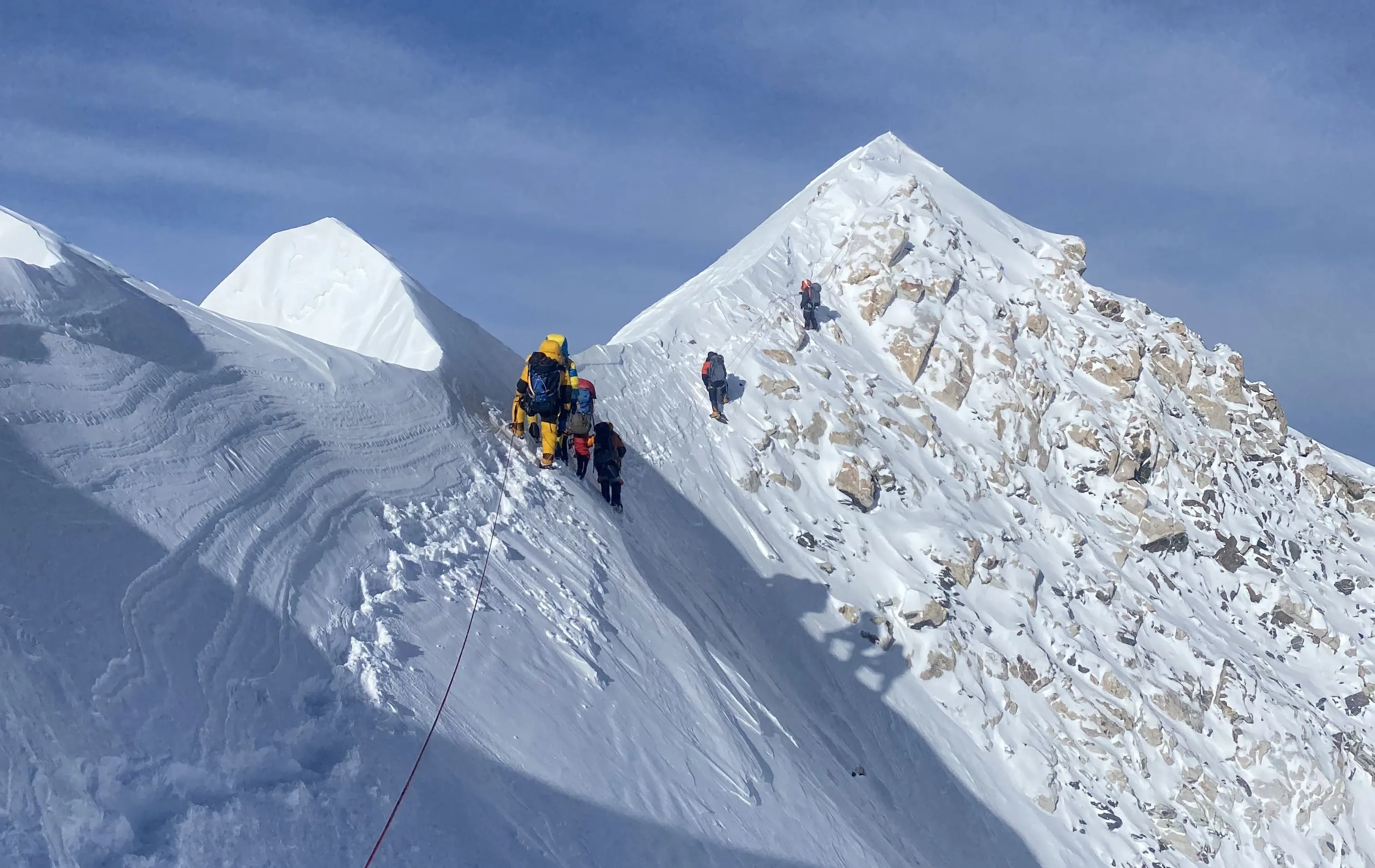
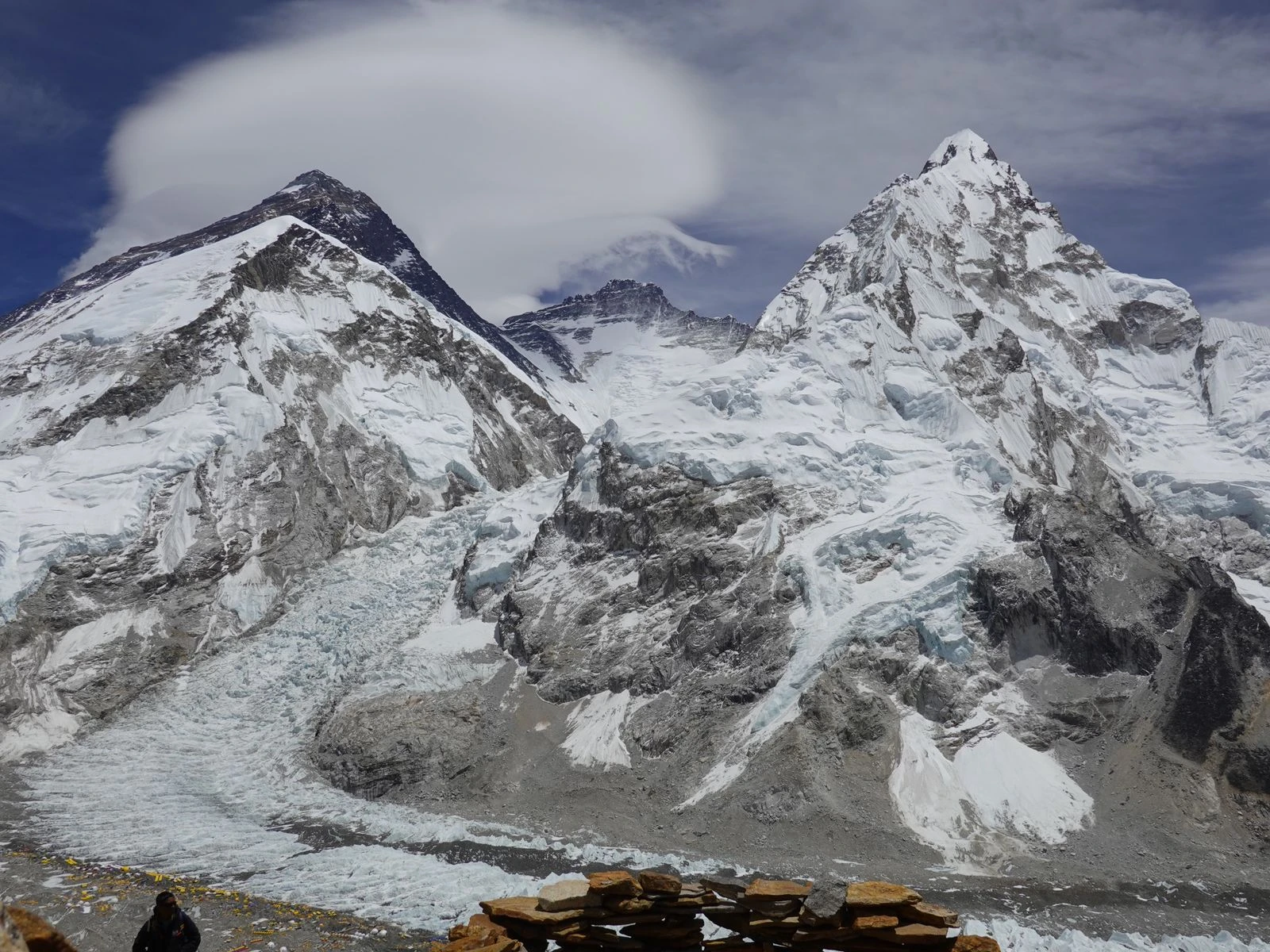
Above Base Camp, conditions become increasingly severe. Extreme cold, strong winds, low oxygen levels, and objective hazards are constant challenges. The Khumbu Icefall, with its shifting crevasses and ice towers, is one of the most technically demanding sections of the route. Higher on the mountain, the South Col and final summit push require careful pacing, teamwork, and sound judgment.

Experienced Sherpa climbers and local high-altitude guides play a central role in Everest expeditions, supporting route fixing, camp setup, oxygen management, and high-altitude safety. Inspired by the legacy of Tenzing Norgay Sherpa, modern Everest expeditions combine deep local mountain knowledge with international guiding standards. The expedition is led by IFMGA / UIAGM-certified mountain guides, ensuring professional decision-making, structured acclimatization, and responsible mountaineering practices throughout the climb.

While reaching the summit is the goal, the primary objective of an Everest expedition is to climb responsibly and return safely. With proper preparation and respect for the mountain, Everest remains a powerful test of human endurance and decision-making.
Itinerary

Day 1

Arrive at Kathmandu airport and transfer to a 3-star hotel. Enjoy a short 15-minute drive from the airport. Overnight at the hotel.

Day 2

Spend the day preparing for the expedition, attending a briefing, and checking equipment. Overnight at the hotel.

Day 3

Take a scenic 35–40-minute flight to Lukla (2800m), then begin trekking towards Phakding. The trek lasts about 3 hours. Overnight at a lodge.

Day 4

Continue trekking towards Namche Bazar, a famous Sherpa town and trading hub. This trek takes approximately 5 to 6 hours. Overnight at a lodge.

Day 5

Enjoy a breathtaking 4-hour hike to the Everest View Hotel, offering panoramic views of Everest and surrounding peaks. Return to Namche Bazar. Overnight at a lodge.

Day 6

Trek through scenic trails and rhododendron forests to reach Tengboche, home to a famous monastery. The trek lasts about 5 hours. Overnight at a lodge.

Day 7

Continue the ascent towards Dingboche, a picturesque village with stunning views of Ama Dablam. The trek takes about 5 hours. Overnight at a lodge.

Day 8

A rest and acclimatization day to adjust to the altitude, with optional hikes for better adaptation. Overnight at a lodge.

Day 9

Follow the trail through Thukla Pass, past memorials of climbers, before reaching Lobuche. The trek lasts 5 to 6 hours. Overnight at a lodge.

Day 10

A gradual ascent leads to High Camp, where the climbing phase begins. This trek takes approximately 3 hours. Overnight in tents.

Day 11

Summit day! A challenging 9 to 10-hour climb to Lobuche Peak's summit, followed by a descent back to Lobuche (4900m). Overnight at a lodge.

Day 12

Continue towards Everest Base Camp, enjoying incredible glacier views along the way. The trek takes around 4 hours. Overnight in tents.

Day 13-42

An extended period for the Everest expedition, allowing time for acclimatization, climbing rotations, and the summit push.

Day 43

Fly back to Kathmandu by helicopter or descend on foot for a longer journey. Overnight at a hotel.

Day 44

A contingency day in case of unforeseen delays or additional preparation needs. Overnight at a hotel.

Day 45

Transfer to the airport for your flight home, marking the end of your incredible adventure.

Route Map

Cost Inclusion & Exclusion

  • Pick up and drop off for international & domestic flights as per the itinerary.
  • Both-ways domestic flight (KTM – Lukla – KTM) via Ramechap with Airport tax.
  • Land and Air domestic transportation and cargo for the entire expedition crew.
  • Four nights in a Kathmandu hotel with a bed & breakfast plan (2 nights pre-expedition, 2 nights post-expedition).
  • Welcome dinner at a typical Nepali restaurant in Kathmandu.
  • Freshly cooked meals (Breakfast, Lunch & Dinner) with a variety of cuisines served at Base Camp.
  • Climbing Mountaineering Royalty Fee and all necessary fees for Mount Everest ascent.
  • Khumbu Ice-fall fee and Summit route fixing charge.
  • Garbage Management and Disposal Fee.
  • Government Liaison officer with daily wages, equipment, food, insurance, and round-trip airfare.
  • Regular supply of fresh green vegetables, meat, fruits, juice, and drinks at Base Camp via helicopters.
  • Personal Tent (Kailas/Box Tent), Mattress, and Pillow provided for each member at Base Camp.
  • Common Equipment at Everest Base Camp, including Dining Tent, Kitchen Tent, and other essentials.
  • High Camp Services for C1-C4, including High Tent, Shovel, Rope, EPI Gas, Gas Burner, and High Food.
  • Walkie-Talkie for communication between Base Camp and Mountain.
  • Wi-Fi access available at Base Camp (with nominal charge).
  • Satellite phone for emergency use at $3 per minute.
  • HRA Medical Camp provides emergency medical services at a certain charge.
  • Weather forecast services during the entire expedition.
  • Allocation of 6 bottles (4ltr.) for each member and 3 bottles for each climbing Sherpa.
  • Summit Mask & Regulator set provided for each member and climbing Sherpa.
  • Sufficient backup oxygen bottles and Mask Regulator sets available at Base Camp (Chargeable as per use).
  • Standby climbing Sherpa and helicopter for emergency rescue and replacement.
  • Climb Himalayas’s Duffel Bag provided if required.
  • First Aid Medical Kit.
  • Farewell and Administrative:
  • Farewell dinner at a typical Nepali restaurant in Kathmandu.
  • Government Taxes and Company Service Charge.
  • Mount Everest summit certificate after the successful summit
  • International flight tickets.
  • Nepal Entry Visa fee (To be applied for 90 days).
  • Bank/wire transfer fees (if applicable).
  • Lunch & Dinner during your stay in Kathmandu.
  • Personal Travel Insurance and High-Altitude Insurance (Accident, Medical, and Emergency Rescue Evacuation).
  • Personal Trekking and Climbing Gears.
  • Personal Expenses: Phone calls, internet, battery recharge, laundry, alcoholic beverages, bottled and canned beverages, specialty coffee or espresso drinks during the journey to Base Camp and return.
  • Drone & Special filming permit.
  • Summit Bonus for Climbing Sherpa (US $1800.00).
  • Tips for Base Camp & Camp II Cook and Kitchen staff (US $400).
  • Any other service cost not included in the Cost Includes section.

Travel Notes

Key Attractions

  • Mount Everest (8,848.86 m):
    The highest peak on Earth and the focal point of the expedition, offering unmatched views and a significant mountaineering achievement.
  • Everest Base Camp (5,364 m):
    The operational base for acclimatization and logistics, surrounded by towering Himalayan peaks and serving as the heart of the expedition.
  • Khumbu Icefall:
    A constantly shifting glacier between Base Camp and Camp I, known for its crevasses, ladders, and ice formations.
  • South Col & Summit Ridge:
    The final high-altitude sections of the climb, marking entry into the Death Zone and the last push toward the summit.
  • Himalayan Vistas:
    Panoramic views of peaks such as Lhotse, Nuptse, Pumori, and Ama Dablam throughout the trek and acclimatization climbs.
  • Sherpa Culture:
    Insight into the traditions, resilience, and spiritual life of the Sherpa community, including visits to monasteries and villages in the Khumbu region.
  • Sagarmatha National Park:
    A UNESCO World Heritage Site featuring alpine forests, glacial valleys, and unique Himalayan biodiversity.
  • Emergency Support:
    Access to helicopter evacuation for emergencies and essential logistics when required.
  • Kathmandu Cultural Sites:
    Time before and after the expedition to explore historic landmarks such as Boudhanath, Swayambhunath, and Pashupatinath.

Preparation & Practical Information

  • Prior experience on 7,000-meter peaks is strongly recommended.
  • A structured physical training program focusing on endurance and strength is essential.
  • Comprehensive medical clearance for high-altitude climbing is required.
  • All travel documents, visas, and Everest climbing permits must be arranged in advance.
  • High-quality personal climbing gear should be checked and tested before departure.
  • Travel insurance must cover high-altitude climbing and emergency evacuation.
  • Acclimatization schedules should be followed carefully to reduce altitude-related risks.
  • Climbers must remain flexible, as weather and conditions can affect the schedule.
  • Responsible waste management and environmental practices are mandatory.

    Difficulty & Commitment

    Everest is an extreme 8,000m expedition requiring exceptional physical conditioning, prior high-altitude experience, and long-term commitment. Climbers must be prepared for extended time above base camp and prolonged exposure in the Death Zone.

    Altitude & Acclimatization

    Multiple acclimatization rotations through Camps I–III are essential. Careful monitoring for altitude illness is critical, and descending when required is part of responsible climbing.

    Weather & Conditions

    Weather windows are short and highly unpredictable. Summit attempts depend entirely on stable jet-stream movement and safe conditions.

    Route & Terrain

    Glacier travel through the Khumbu Icefall, steep snow and ice on the Lhotse Face, and exposed ridge sections near the summit.

    Safety & Risk

    Avalanches, icefall collapse, and extreme altitude are constant risks. Strict rope discipline and adherence to leader decisions are essential.

FAQs

No FAQs available

Book your adventure today

Similar Adventure Packages

Booking Open

Mt. K2 Expeditions

52 Days
8611m
Extreme
Booking Open

Mt. Kanchenjunga Expedition

50 Days
8,586m
Hard
Booking Open

Mt. Lhotse Expedition

45 Days
8516m
Extreme
Booking Open

Mt. Makalu Expedition

49 Days
8485m
Extreme
Booking Open

Dhaulagiri Expedition (8,167m)

48 Days
8176 M
Difficult
Booking Open

Mt. Manaslu Expedition

32 Days
8163m
Moderate
Booking Open

Annapurna I Expedition (8091 M)

48 Days
8091 M
Extreme