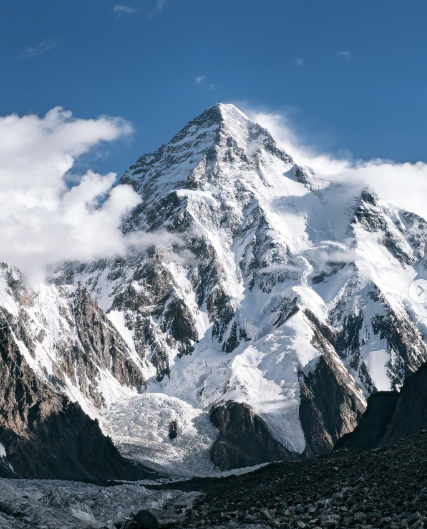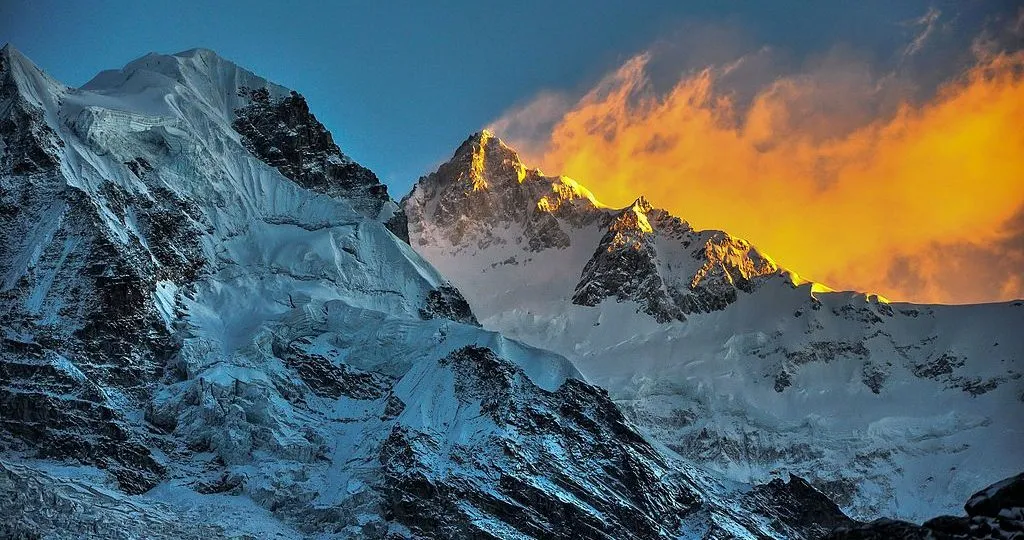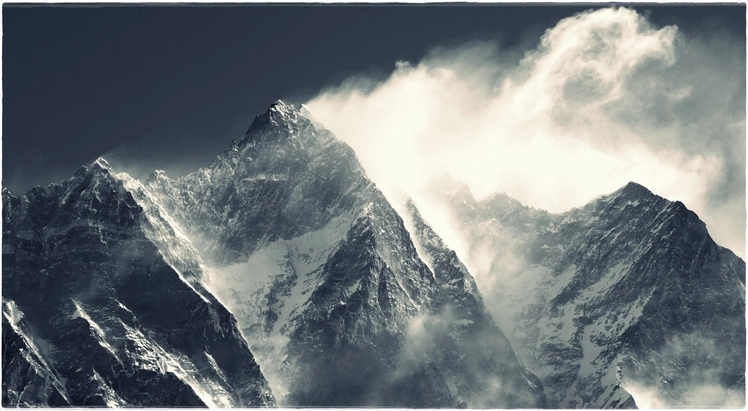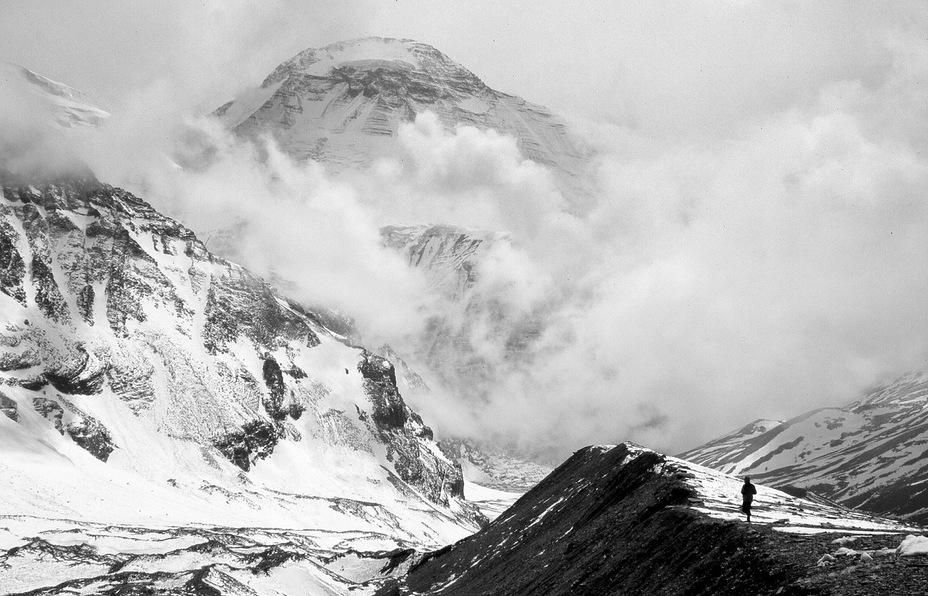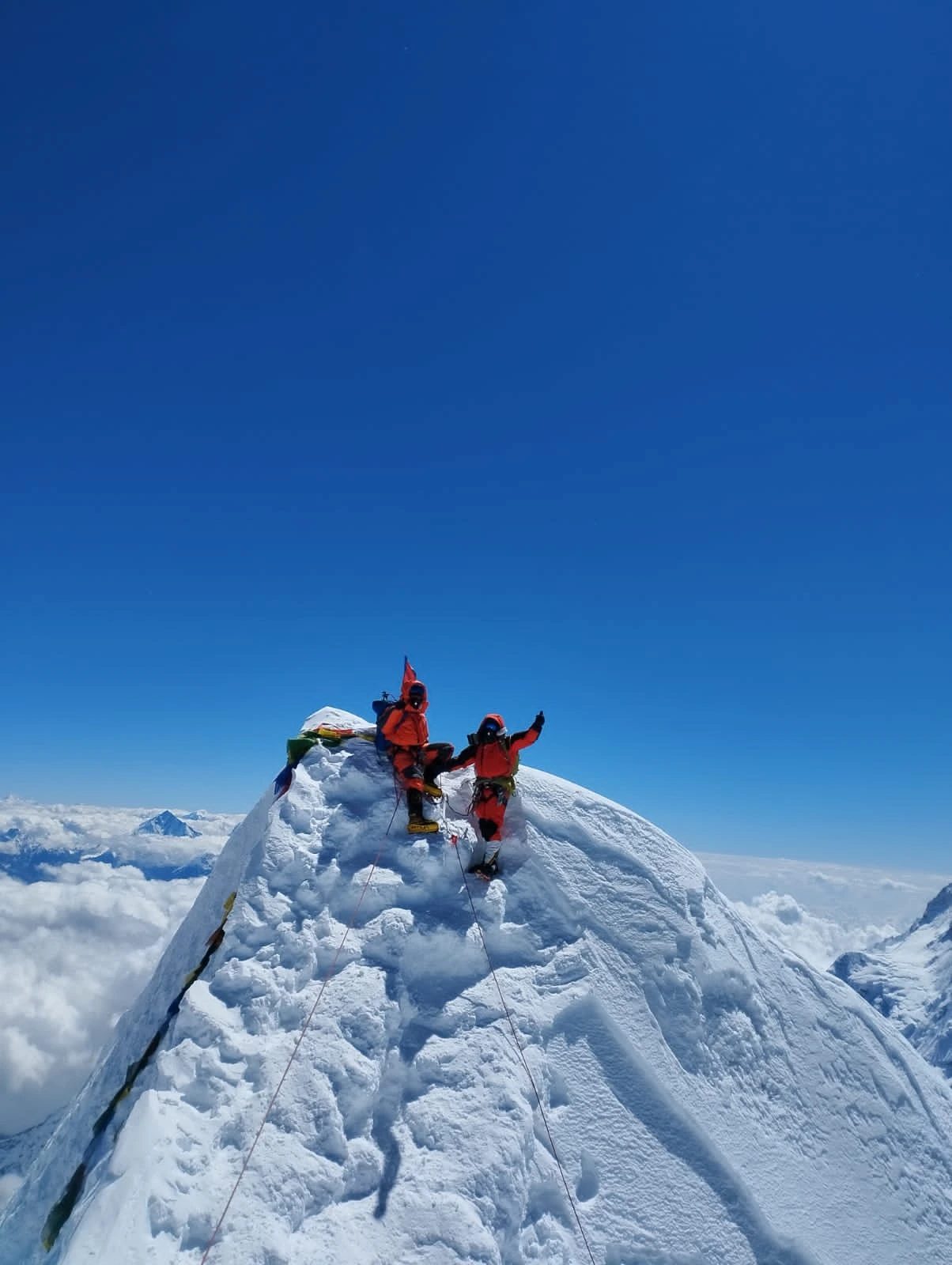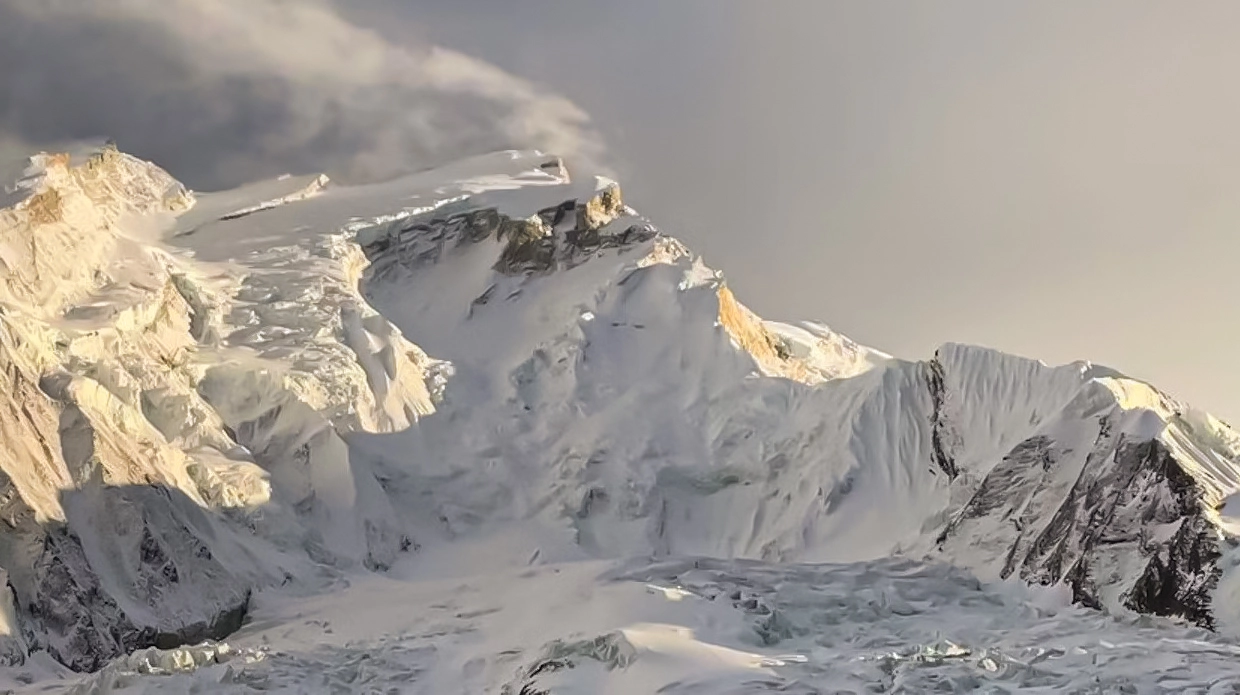
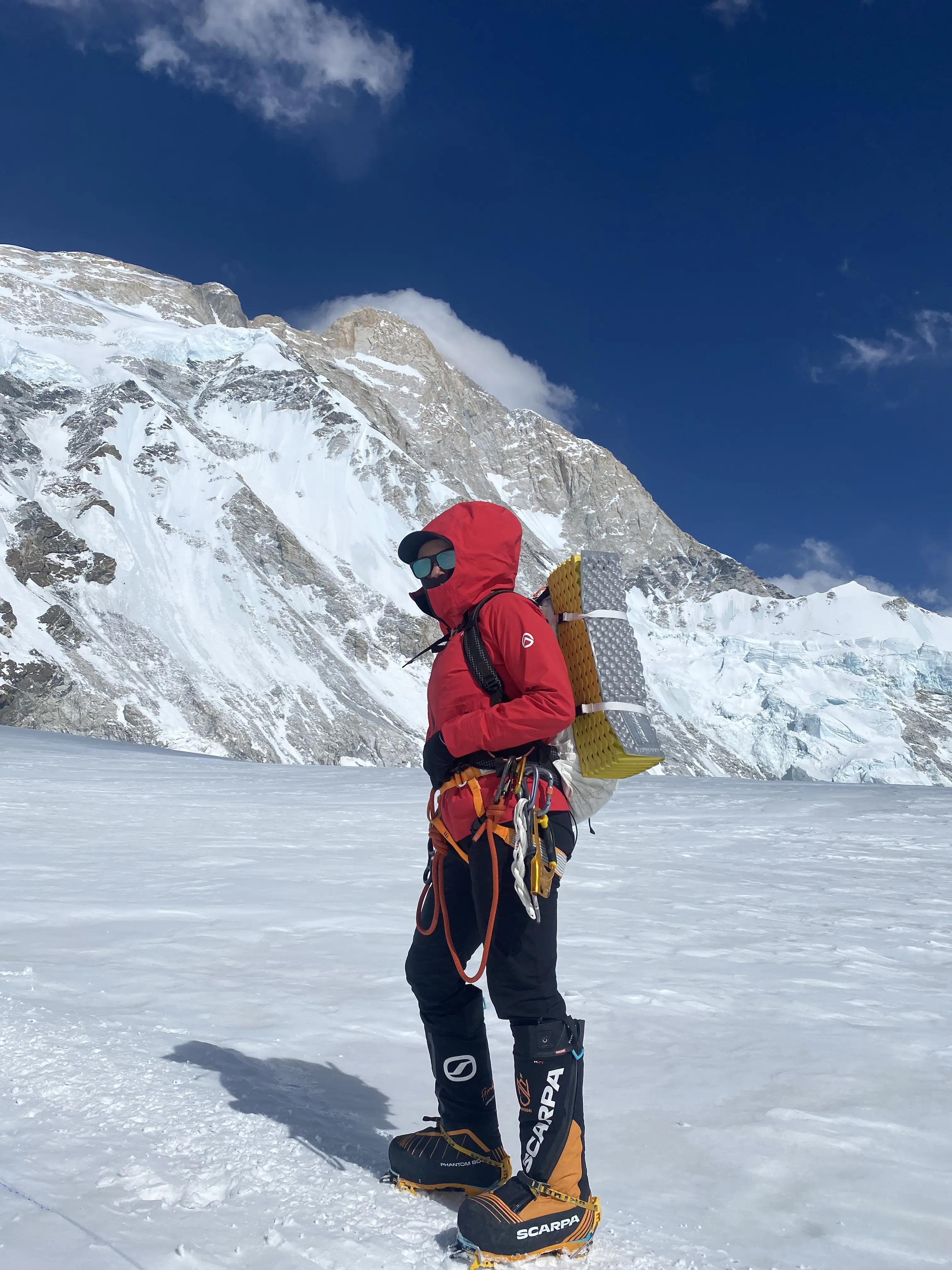
Mount Makalu (8,485 meters) is the fifth-highest mountain in the world, rising dramatically in the Mahalangur Himalayas on the Nepal–Tibet border, approximately 23 km southeast of Mount Everest. Known for its steep faces, sharp ridges, and serious technical difficulty, Makalu is regarded as one of the most challenging 8,000-meter expeditions in Nepal.
First summited in 1955 by French climbers Jean Couzy and Lionel Terray, Makalu has earned a reputation as a peak for highly experienced mountaineers seeking a demanding alternative to more commercialized 8,000m climbs. The mountain’s distinctive pyramid shape, exposed terrain, and unpredictable weather require exceptional physical conditioning, technical competence, and mental resilience.
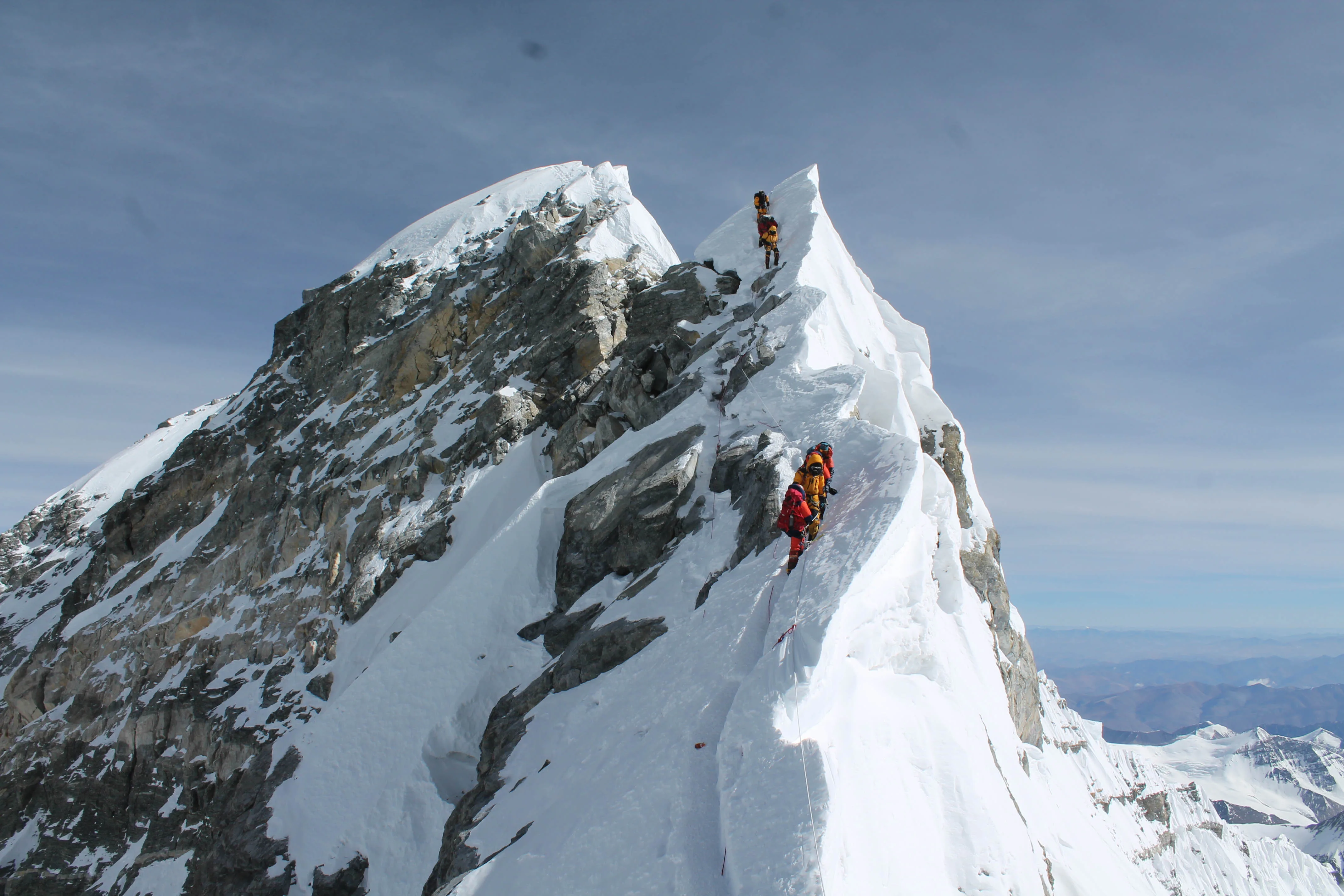
The standard climbing routes follow either the South-East Ridge or the North-West Ridge, both involving glacier travel, icefalls, steep snow slopes, and exposed rock sections. While the South-East Ridge is more commonly used, neither route should be considered easy. The challenges of Makalu lie in its steepness, altitude, long summit push, and isolation rather than sheer crowd management.
The expedition approaches Makalu through the Makalu-Barun National Park, one of Nepal’s most pristine and biologically diverse protected areas. The long and remote approach trek adds to the seriousness of the expedition while offering a rare wilderness experience deep in the eastern Himalayas.
Makalu is not a mountain for first-time 8,000m climbers. It is a true test of technical ability, endurance, and expedition discipline. For elite mountaineers seeking one of the most demanding high-altitude challenges on Earth, the Makalu Expedition represents mastery rather than popularity.