Search for Packages
48 Days

Annapurna I Expedition (8091 M)

Price per person $35000
Altitude 8091 M
Difficulty Extreme
Group size 1-15
Climb Style Normal

Overview

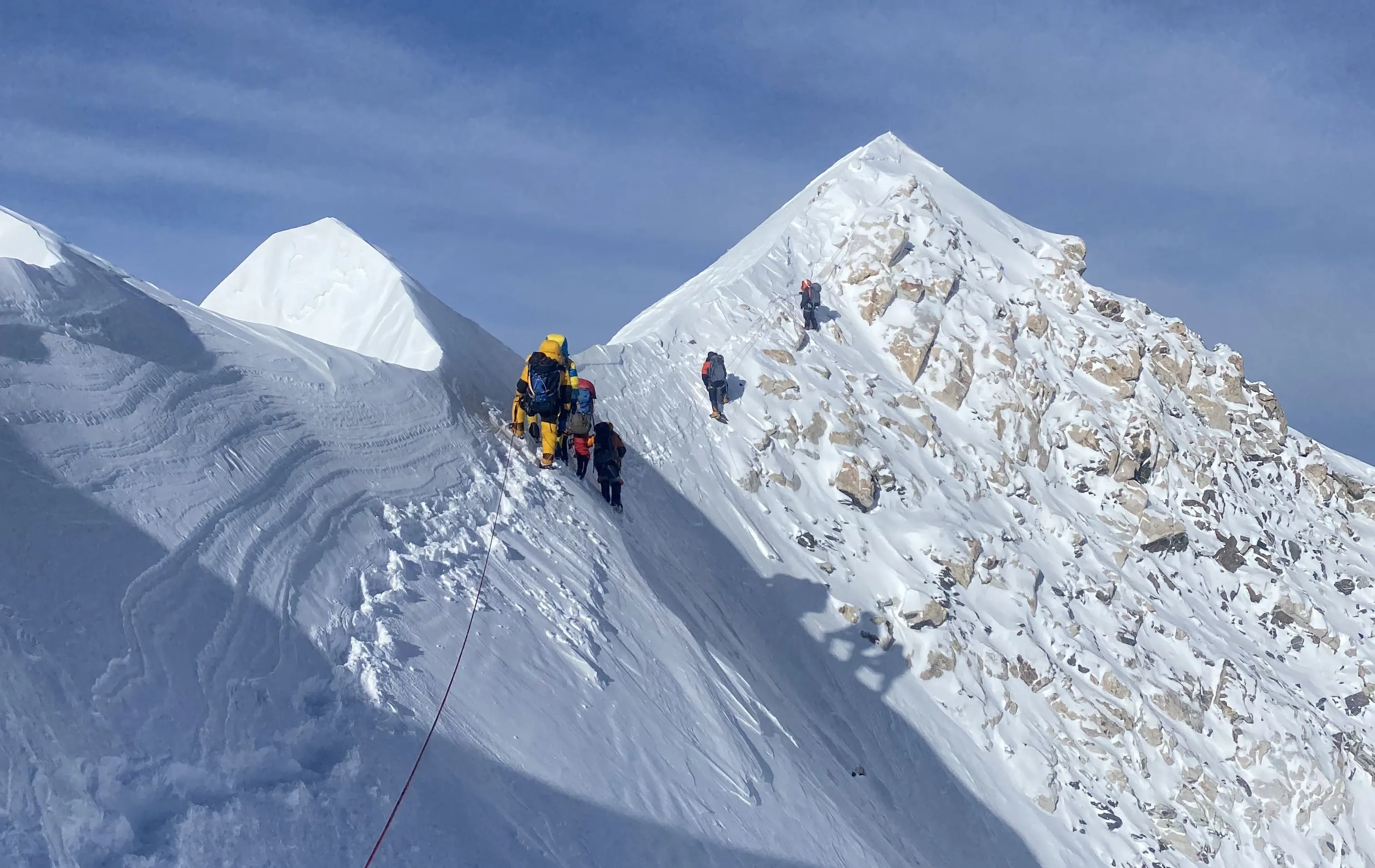
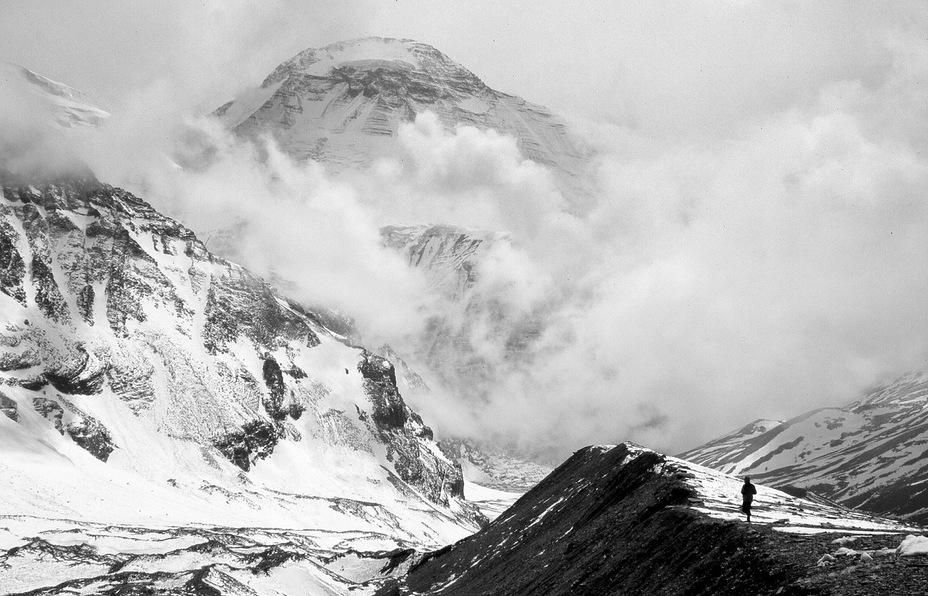
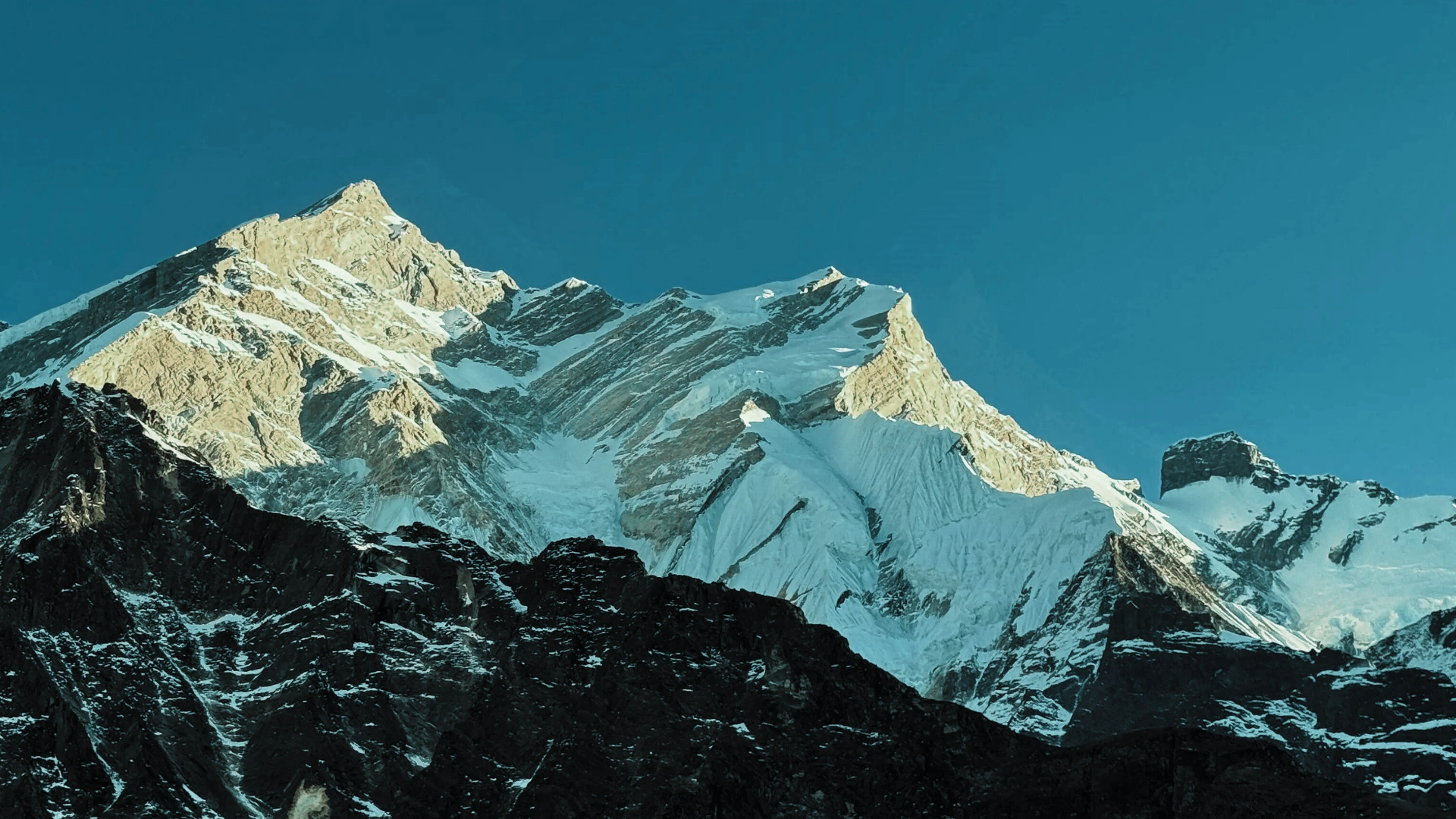
Mount Annapurna I (8,091 meters) is the tenth-highest mountain in the world and one of the most dangerous and technically demanding 8,000-meter peaks in the Himalayas. Located in north-central Nepal within the Annapurna range, this legendary mountain is revered for its steep faces, avalanche-prone slopes, and complex alpine terrain.

Annapurna I holds a unique place in mountaineering history as the first 8,000-meter peak ever climbed, successfully summited in 1950 by a French expedition led by Maurice Herzog. Despite this early success, Annapurna has remained one of the least climbed 8,000m peaks due to its high objective risk, extreme weather, and technical challenges. It is a mountain reserved for elite, highly experienced mountaineers.

The name Annapurna comes from Sanskrit, meaning “Goddess of the Harvest”, symbolizing nourishment and abundance in Hindu tradition. This spiritual significance adds cultural depth to an expedition that is otherwise defined by severity and commitment.

The Annapurna I Expedition with Climb Himalayas is led by an IFMGA/UIAGM-certified mountain guide, supported by an experienced high-altitude Sherpa team. The expedition emphasizes conservative decision-making, structured acclimatization, and disciplined risk management in one of the most hazardous environments in high-altitude mountaineering.

Climbing Annapurna I is not about speed or records—it is about judgment, preparation, and respect for the mountain. For climbers seeking one of the most prestigious and demanding Himalayan challenges, Annapurna I represents the highest level of commitment in 8,000m climbing.

Itinerary

Day 01

Arrival in Kathmandu at an altitude of approximately 1,300 meters. Meet the expedition team at the airport and transfer to the hotel. Time for rest and recovery after international travel, with a brief orientation and preparation for the upcoming Annapurna I expedition.


Day 02

Attend the official expedition briefing at the Ministry, followed by a comprehensive climbing gear inspection conducted by our IFMGA/UIAGM-certified expedition leader. This session ensures all personal and group equipment meets international mountaineering and safety standards for an 8,000-meter expedition.

In the evening, enjoy a welcome dinner featuring local cuisine, followed by a relaxed walk around nearby local streets and markets—an opportunity to experience the city’s atmosphere and unwind before departing for the mountains.

Day 03

Final expedition preparations in Kathmandu, including last-minute equipment checks, logistics coordination, and packing under the guidance of the expedition team. Later in the day, enjoy a cultural tour through historic neighborhoods and local streets, experiencing traditional markets, heritage sites, and everyday local life—offering a meaningful cultural insight before heading into the mountains.

Day 04

Scenic overland drive from Kathmandu to Beni (approx. 900 meters), the gateway to the Annapurna region. The journey takes around 8–9 hours, passing through river valleys, terraced hillsides, rural settlements, and diverse landscapes that reflect the transition from urban centers to the Himalayan foothills.

This route supports eco-tourism and sustainable travel, as it follows established roads used by local communities, reducing the need for air transport while contributing directly to regional livelihoods. Traveling overland minimizes environmental impact and aligns with responsible expedition practices that respect local culture, natural ecosystems, and conservation efforts in protected mountain regions.

This day marks the beginning of the Himalayan approach and a gradual, environmentally conscious transition into expedition terrain.

Day 05

Drive from Beni to Tatopani along a scenic river valley route, passing terraced farmland and rural mountain settlements. The drive takes approximately 4–5 hours, following established roads that support local communities and low-impact, overland travel.

From Tatopani, begin the trek to Lete (approx. 2,480 meters). The trail ascends gradually through forested paths and traditional villages, offering a smooth transition from road travel to trekking terrain. The walk takes around 4–5 hours and provides excellent acclimatization while immersing the team in authentic mountain landscapes.

This day blends responsible ground travel with classic Himalayan trekking, reinforcing sustainable expedition practices while moving closer to the high alpine environment.

Day 06

Trek from Lete to Jungle Camp, leaving settled villages behind and entering a remote alpine environment. The trail climbs steadily through dense forests of pine, fir, and rhododendron, following narrow paths along river valleys and steep hillsides. As altitude increases, the landscape becomes wilder and more secluded, offering a true sense of expedition trekking.

The trek takes approximately 5–6 hours and is an important acclimatization day, allowing gradual elevation gain while minimizing strain. Jungle Camp is a basic wilderness campsite, surrounded by forest and mountain silence, marking the transition from inhabited areas to the high-altitude expedition zone.

This stage emphasizes low-impact trekking and deep immersion in nature, aligning with sustainable and responsible mountaineering practices.

Day 07

Trek from Miristi Khola to Annapurna Base Camp (South), ascending through remote alpine terrain and glacial valleys beneath the massive south face of Annapurna I. The trail involves steady climbs over rocky paths, moraines, and open high-altitude landscapes, with increasingly dramatic views of surrounding Himalayan peaks and icefalls.

The trek takes approximately 6–7 hours and represents a significant gain in altitude as the expedition enters the true high-mountain environment. Annapurna Base Camp (South), situated at around 4,130 meters, serves as the main staging point for acclimatization, technical preparations, and climbing rotations.

This day marks a major milestone of the expedition, transitioning fully from approach trekking to high-altitude mountaineering beneath one of the most formidable 8,000-meter peaks in the world.

Day 08

Trek from Miristi Khola to Annapurna Base Camp (South), ascending through remote alpine terrain and glacial valleys beneath the massive south face of Annapurna I. The trail involves steady climbs over rocky paths, moraines, and open high-altitude landscapes, with increasingly dramatic views of surrounding Himalayan peaks and icefalls.

The trek takes approximately 6–7 hours and represents a significant gain in altitude as the expedition enters the true high-mountain environment. Annapurna Base Camp (South), situated at around 4,130 meters, serves as the main staging point for acclimatization, technical preparations, and climbing rotations.

This day marks a major milestone of the expedition, transitioning fully from approach trekking to high-altitude mountaineering beneath one of the most formidable 8,000-meter peaks in the world.


Day 09/41

The climbing period on Annapurna I (8,091 meters) is the most critical phase of the expedition, dedicated to high-altitude acclimatization, technical rotations, summit-specific training, and the final summit attempt. Known as one of the most demanding 8,000-meter peaks, Annapurna I requires a disciplined, well-structured climbing strategy and precise decision-making.

During this period, climbers complete multiple acclimatization rotations between Annapurna Base Camp (South) and the higher camps. These rotations involve carrying loads, fixing and using ropes on steep snow and ice sections, and spending nights at increasing altitudes before descending for recovery. This systematic approach allows the body to adapt to extreme altitude while building strength, efficiency, and confidence on the route.

Throughout the rotation phase, summit training sessions are conducted under the guidance of an IFMGA/UIAGM-certified expedition leader. Training focuses on high-altitude movement techniques, fixed-line ascents and descents, efficient crampon and ice-axe use, avalanche awareness, cold-weather management, oxygen system handling, and emergency response protocols.

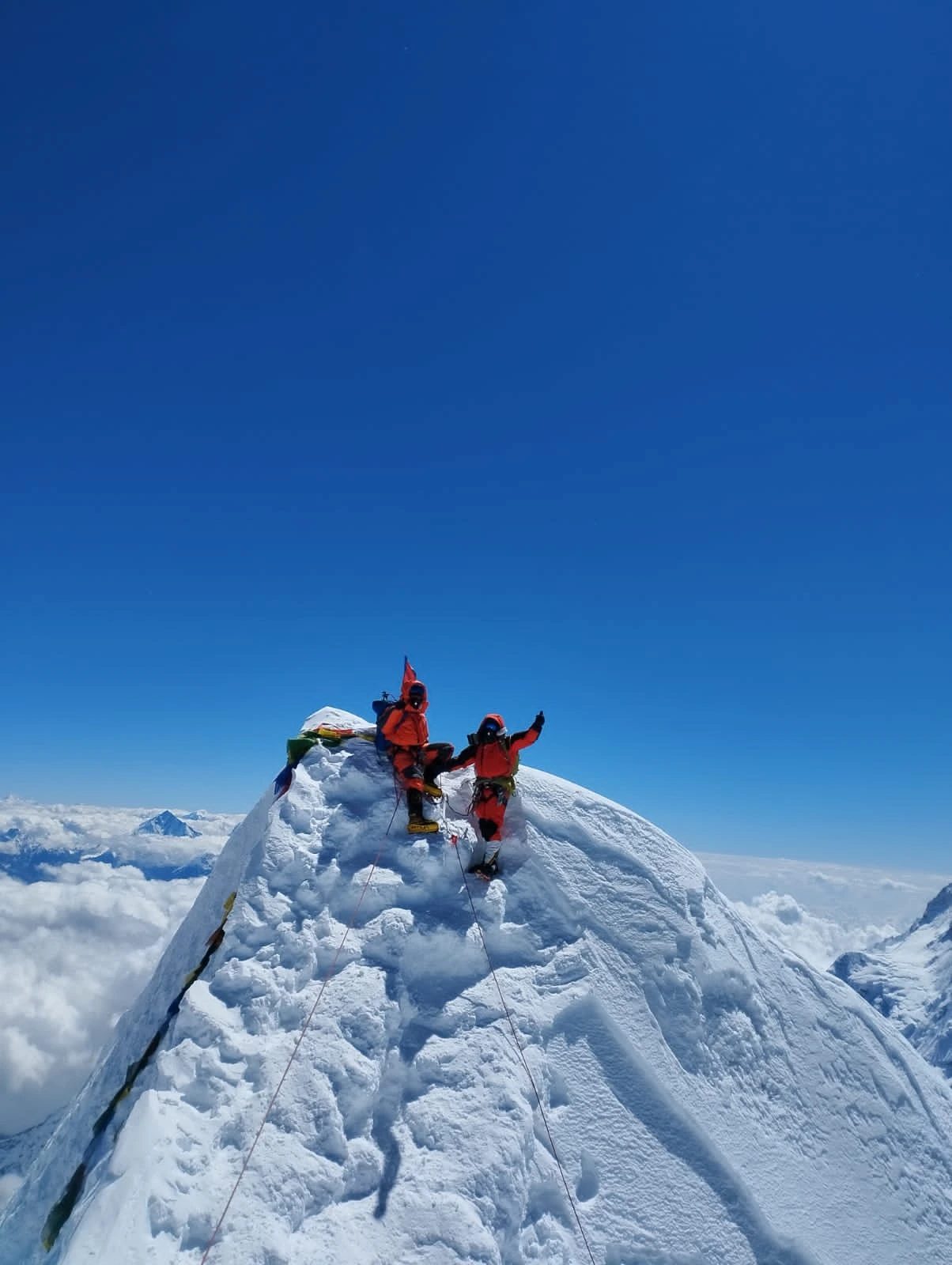
Once acclimatization is complete and weather conditions align, the expedition transitions into the summit push, which is carried out during this same climbing period. The IFMGA-led team continuously monitors weather forecasts, snow stability, and individual climber readiness to identify the safest and most favorable summit window. Summit day typically involves a long, sustained ascent from the highest camp, demanding exceptional physical endurance, mental focus, and disciplined teamwork in extreme alpine conditions.

This combined period of rotations, training, and summit attempt is essential for maximizing safety and summit success on Annapurna I, ensuring climbers are fully prepared for one of the most serious and prestigious challenges in high-altitude mountaineering.

Day 42

Descend from Annapurna Base Camp (South) to Miristi Khola, retracing the approach route through high-altitude alpine terrain and glacial valleys. The trail involves steady downhill walking across rocky paths, moraines, and open landscapes, allowing gradual loss of altitude after the climbing period.

The trek takes approximately 6–7 hours and supports recovery following extended time at extreme altitude. Miristi Khola provides a quieter, lower-elevation campsite surrounded by mountain wilderness, marking the transition from expedition climbing back to trekking terrain and preparing the team for the return journey.

Day 43

Descend from Annapurna Base Camp (South) to Miristi Khola, retracing the approach route through high-altitude alpine terrain and glacial valleys. The trail involves steady downhill walking across rocky paths, moraines, and open landscapes, allowing gradual loss of altitude after the climbing period.

The trek takes approximately 6–7 hours and supports recovery following extended time at extreme altitude. Miristi Khola provides a quieter, lower-elevation campsite surrounded by mountain wilderness, marking the transition from expedition climbing back to trekking terrain and preparing the team for the return journey.

Day 44

Trek from Jungle Camp to Lete, descending steadily through dense alpine forests of pine, fir, and rhododendron. The trail follows natural mountain paths and river valleys, offering a gradual loss of altitude and a comfortable walking pace after the high-altitude phase of the expedition.

The trek takes approximately 5–6 hours, allowing the body to recover while enjoying changing landscapes as the route transitions from remote wilderness back toward traditional mountain settlements. Arrival in Lete marks a return to village life and a key step in the expedition’s descent and completion phase.

Day 45

Scenic overland drive from Lete to Beni and onward to Pokhara, descending through river valleys and mountain roads as the landscape transitions from high alpine terrain to subtropical lowlands. The journey takes approximately 6–7 hours, providing a comfortable return to lower altitude after the expedition and trekking phases.

Upon arrival in Pokhara, enjoy a celebration evening to mark the successful completion of the Annapurna I expedition. Take time to relax, share experiences with the team, and celebrate the achievement in a vibrant lakeside setting—an ideal conclusion to a demanding high-altitude adventure.

Day 46

Take a scenic domestic flight from Pokhara to Kathmandu, with final aerial views of the Himalayan landscape. The flight duration is approximately 25–30 minutes.

Upon arrival, transfer to the hotel for rest and refreshment. In the afternoon, enjoy a cultural farewell dinner featuring traditional cuisine, music, and dance—an opportunity to celebrate the expedition, share memories with the team, and experience local cultural heritage before departure.

Day 47

A relaxed free day in Kathmandu focused on rejuvenation and recovery after the expedition. Optional wellness activities include yoga and breathing classes, therapeutic massage to relieve muscle fatigue, and sound healing sessions designed to promote deep relaxation and mental balance.

For cultural immersion, take part in a local cooking workshop to learn traditional recipes and explore local food traditions. This day blends wellness, relaxation, and cultural experience, providing a restorative and meaningful conclusion to the Himalayan expedition journey.

Day 48

Transfer from the hotel to the international airport for final departure. The expedition concludes with assistance for airport check-in and warm farewells to the team, marking the end of a successful Himalayan mountaineering journey.

Cost Inclusion & Exclusion

Ground Transfers & Expedition Logistics

  • All airport–hotel–airport transfers as per program by private air-conditioned vehicles

  • Overland transportation from Kathmandu to Beni and onward to Lete by bus with trekking staff and expedition equipment

  • Overland transportation from Lete to Beni and Pokhara by bus with trekking staff and expedition equipment

Domestic Flight & Baggage

  • Domestic flight from Pokhara to Kathmandu including airport taxes

  • Baggage allowance of up to 15 kg per person for domestic flight, including personal baggage

Accommodation

  • Four-star category hotel accommodation in Kathmandu and Pokhara

  • Best available local lodges during the trek on twin-sharing basis

  • Fully equipped tented camp accommodation at base camps on sharing basis (two members per tent)


Meals & Hydration

  • Daily breakfast at hotels in Kathmandu and Pokhara

  • Three meals per day during the trek and base camp stay (breakfast, lunch, and dinner)

  • Two liters of boiled drinking water per member per day, carried in thermos

  • Welcome and farewell dinner


Permits, Fees & Compliance

  • Peak climbing permit fee

  • National park or conservation area entry fees

  • Mandatory insurance for all local expedition staff, including porters

  • Liaison officer fees, including insurance, food allowance, and flights

  • Garbage management and environmental deposit fees


Supporting Staff up to Base Camp

  • Required number of porters to carry expedition loads to and from base camp

  • One English-speaking, government-licensed guide during the trek and in Kathmandu

  • Experienced base camp cook

  • Required kitchen helpers and support staff


High-Altitude Support (Above Base Camp)

  • One experienced professional high-altitude Sherpa per climber (1:1 ratio)

  • Sherpa daily wages, food, insurance, flights, and equipment allowance included

Base Camp Equipment & Facilities

  • Individual sleeping tent for each expedition member

  • Foam mattress for insulation and comfort

  • Dining tent, kitchen tent, shower tent, and toilet tent

  • Complete kitchen setup with utensils and fuel

  • Tables and chairs at base camp

  • Solar lighting system

  • Comprehensive expedition first-aid and medical kit

  • Gas heater for dining tent use


High-Altitude Equipment (Above Base Camp)


§  High Tents for both member and HA Sherpa


§  High Altitude Food for members and Sherpa


§  Climbing Gear in the mountains such as fixed rope,

 main rope, snow bars, snow shovel, carabineers etc.


§  4 bottles oxygen for every member and 2 bottles oxygen

 for every HA Sherpa


§  One set of mask & regulator for every members and

 Sherpa’s


§  1 Satellite Phone, Walkie-talkie 


§  Cooking set in the mountain such as Epi gases, gas

 burner, cooking pots etc. for members and Sherpa

  • All personal expenses including alcoholic beverages, bottled drinks, telephone calls, laundry services, internet, and Wi-Fi

  • Personal travel, accident, medical, and emergency evacuation insurance

  • Personal climbing gear, mountaineering equipment, and high-altitude clothing

  • International airfare and airport taxes

  • Entry visa fees

  • International air cargo or excess baggage charges

  • Tips and gratuities for expedition staff and high-altitude Sherpa

  • Summit bonus of USD 1,500 payable to high-altitude Sherpa

  • Extra nights of hotel accommodation in Kathmandu and Pokhara beyond the scheduled itinerary

  • Special permits for filming, professional cameras, or drone usage

  • Any additional services, activities, or expenses not mentioned in the “Price Includes” section

Travel Notes

Expedition Style & Leadership

The expedition follows a classic expedition-style ascent, incorporating acclimatization rotations, fixed-rope sections, and carefully planned summit strategy. Leadership by an IFMGA/UIAGM-certified guide ensures professional oversight of route conditions, avalanche assessment, weather interpretation, and high-altitude decision-making.

Experienced high-altitude Sherpa support assists with load carrying, route preparation, and camp logistics, while climbers remain actively engaged in all phases of the expedition.


Route Overview

The climb is undertaken via the standard North-West Face route, one of the most avalanche-prone and technically complex routes among Nepal’s 8,000-meter peaks.

Route characteristics include:

  • Glacier travel and crevasse navigation

  • Steep snow and ice slopes

  • Fixed-rope sections through exposed terrain

  • High objective hazard due to avalanches and serac fall

Multiple high camps are established above base camp to support acclimatization and a carefully timed summit attempt.


Acclimatization, Rotations & Summit Phase

A structured acclimatization program is central to the Annapurna I expedition. Climbers complete several rotations between Base Camp and higher camps, carrying loads, fixing ropes, and spending nights at altitude before descending for recovery.

During these rotations, advanced high-altitude techniques are reinforced, including:

  • Efficient movement on steep terrain

  • Cold-weather and energy management

  • Oxygen strategy (if used)

  • Emergency procedures

Summit attempts are made only when acclimatization is complete and weather conditions align. Summit day is long and demanding, requiring exceptional endurance, focus, and team coordination.


Physical & Technical Requirements

The Annapurna I Expedition is suitable only for highly experienced mountaineers.

Participants must have:

  • Prior experience on 7,000m or 8,000m peaks

  • Strong technical skills in snow, ice, and fixed-rope climbing

  • Excellent cardiovascular fitness and stamina

  • Mental resilience for prolonged exposure to extreme risk

This expedition is not suitable for first-time 8,000m climbers.


Safety & Risk Management

Annapurna I has one of the highest fatality rates among 8,000-meter peaks due to avalanche exposure and objective hazards.

Safety management includes:

  • Continuous weather and avalanche monitoring

  • Conservative route and summit decisions

  • Strict rope and movement protocols

  • Emergency response planning and communication systems

All climbers must carry comprehensive insurance covering high-altitude rescue, medical treatment, and evacuation, and must adhere strictly to expedition protocols.


Approach & Environment

The expedition typically begins with travel from Kathmandu to Beni, following the Kali Gandaki corridor into remote alpine terrain. The region lies within the Annapurna Conservation Area Project (ACAP), the largest protected area in Nepal, known for its biodiversity and dramatic landscapes.

Respect for the environment and local communities is a fundamental part of the expedition.


Who This Expedition Is For

The Annapurna I Expedition is ideal for:

  • Elite high-altitude mountaineers

  • Climbers seeking one of the most serious 8,000m challenges

  • Alpinists with extensive expedition experience

  • Individuals who prioritize IFMGA-led leadership and safety discipline


Why Choose Climb Himalayas for Annapurna I

  • Expedition led by IFMGA/UIAGM-certified mountain guide

  • Highly experienced high-altitude Sherpa support

  • Conservative acclimatization and summit strategy

  • Strong focus on safety, judgment, and expedition integrity

  • Responsible and professional Himalayan operations


A Defining Himalayan Achievement

Climbing Annapurna I is widely regarded as one of the most serious accomplishments in high-altitude mountaineering. Its combination of technical difficulty, avalanche risk, and extreme exposure demands full respect and preparation.

Under expert leadership from Climb Himalayas, this expedition offers a disciplined, professional opportunity to attempt one of the world’s most challenging Himalayan summits—where success is defined by sound decisions as much as reaching the top.

Book your adventure today

Similar Adventure Packages

Booking Open

Mt. Everest Expedition

45 Days
8848.86m
Extreme
Booking Open

Mt. K2 Expeditions

52 Days
8611m
Extreme
Booking Open

Mt. Kanchenjunga Expedition

50 Days
8,586m
Hard
Booking Open

Mt. Lhotse Expedition

45 Days
8516m
Extreme
Booking Open

Mt. Makalu Expedition

49 Days
8485m
Extreme
Booking Open

Dhaulagiri Expedition (8,167m)

48 Days
8176 M
Difficult
Booking Open

Mt. Manaslu Expedition

32 Days
8163m
Moderate