1. How difficult is the Manaslu Expedition?
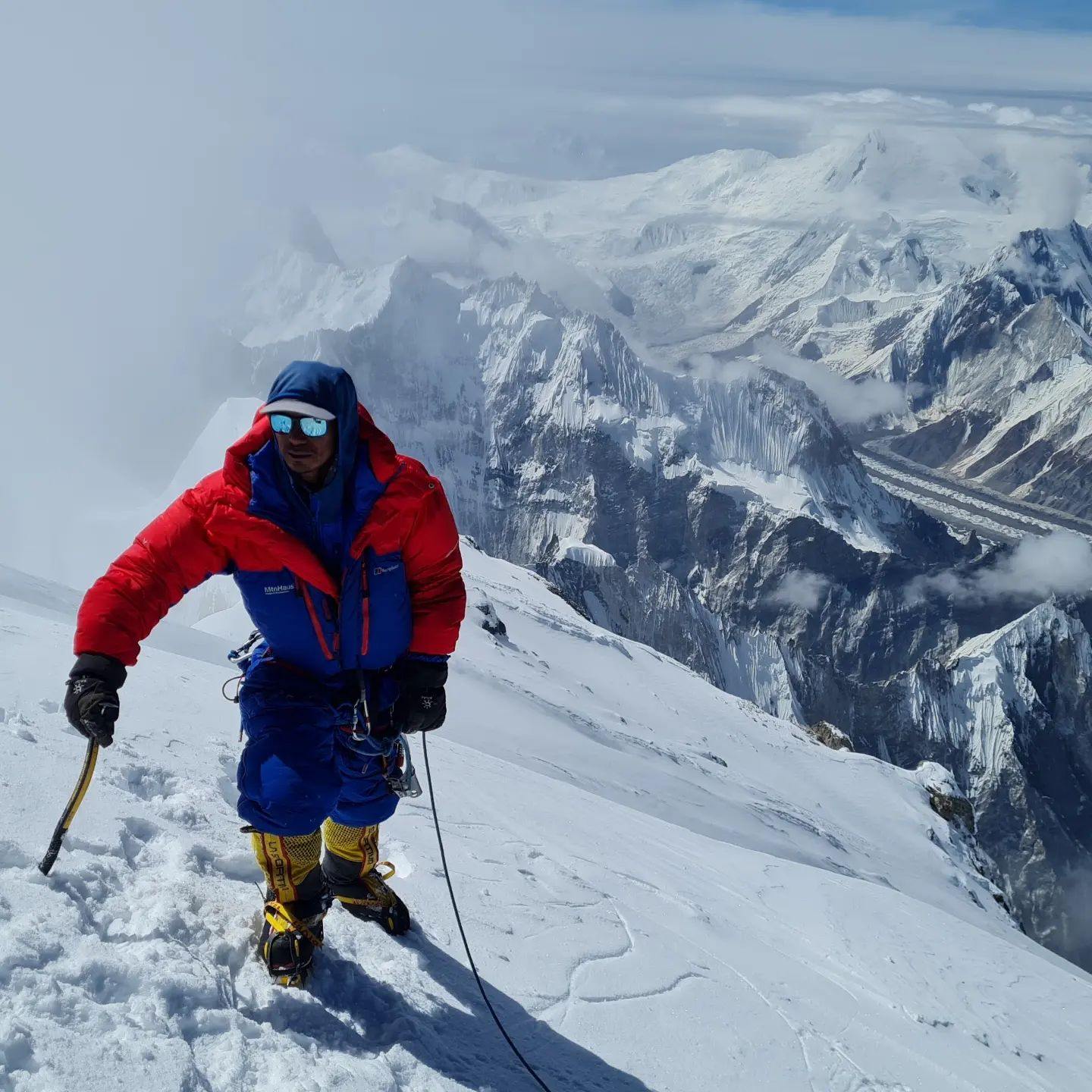
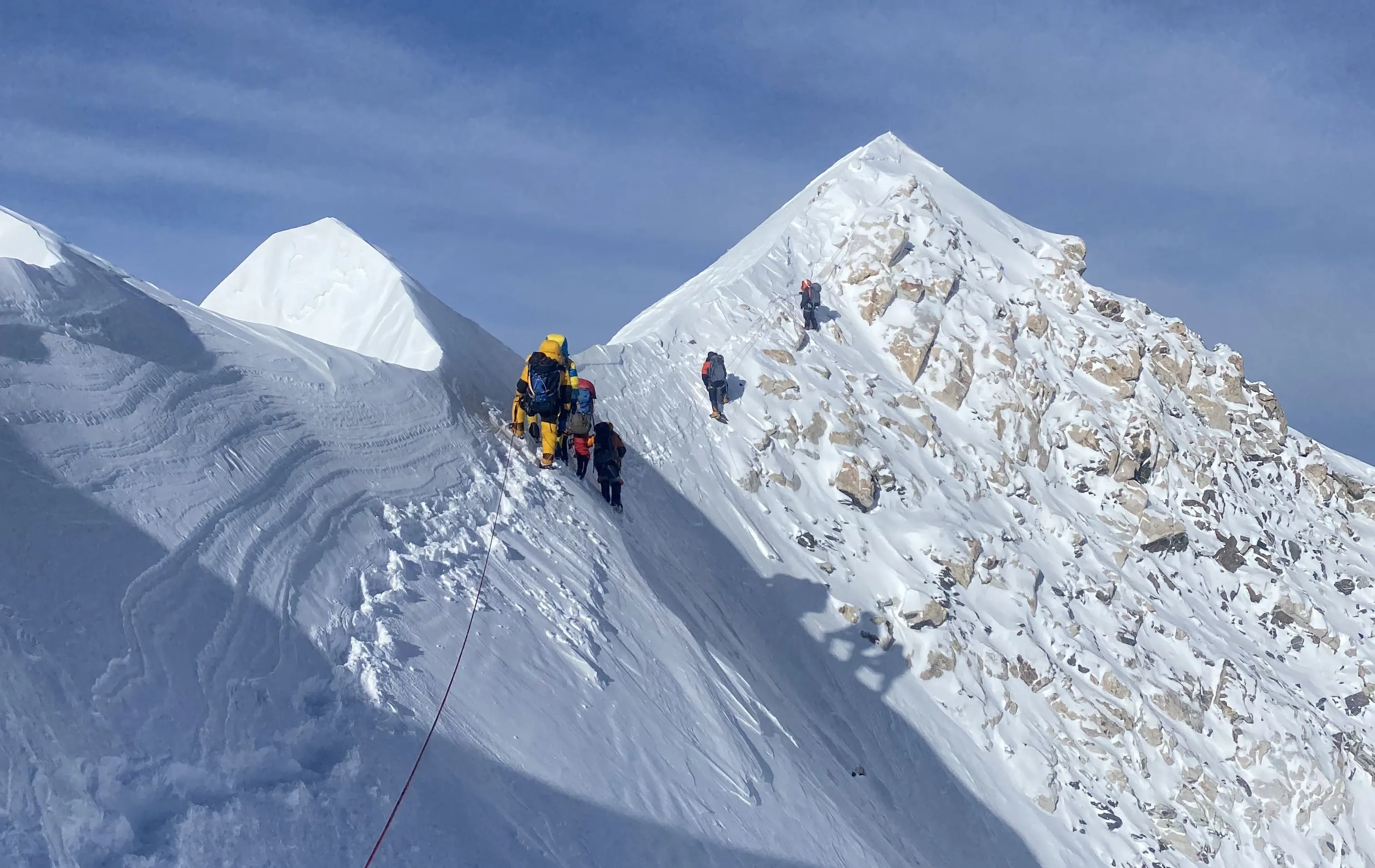
Manaslu is considered a moderately technical 8000-meter peak. While it is less technical than some other high mountains, climbers still face steep snow slopes, crevasses, and high-altitude conditions above 7,000 meters. Proper experience and physical preparation are essential.
2. Do I need prior climbing experience for Manaslu?
Yes. Climbers should have prior experience on at least one 6000m or 7000m peak. Knowledge of using crampons, ice axe, fixed ropes, and basic mountaineering techniques is required.
3. How long does the Manaslu Expedition take?
A standard Manaslu expedition takes around 30 to 35 days. This includes trekking to base camp, acclimatization rotations, and the final summit push.
4. What is the best time to climb Manaslu?
The best seasons are:
- Spring (April to May) – most stable weather and highest success rate
- Autumn (September to October) – clear skies but colder conditions
Spring is generally preferred by most climbers.
5. How much does a Manaslu Expedition cost?
The cost can vary depending on the level of service, but typically ranges between:
Factors affecting cost include guide services, oxygen support, logistics, and group size.
6. Is oxygen required for Manaslu?
Supplemental oxygen is not mandatory but is highly recommended for safety and increasing summit success rates. Most climbers use oxygen above Camp III or Camp IV.
7. What are the main risks on Manaslu?
The key risks include:
- Avalanches
- Crevasses and glacier travel
- Extreme cold and high winds
- Altitude sickness
Proper acclimatization and experienced support significantly reduce these risks.
8. What permits are required for Manaslu?
Climbers need:
- Manaslu climbing permit
- Manaslu Conservation Area Permit (MCAP)
- Annapurna Conservation Area Permit (ACAP)
All permits are arranged through a registered expedition company.
9. How crowded is Manaslu compared to Everest?
Manaslu is less crowded than Everest but has become increasingly popular in recent years. It still offers a more remote and less commercial expedition experience.
10. What kind of training is required?
Training should focus on:
- Cardiovascular endurance
- Strength and conditioning
- High-altitude trekking or climbing experience
Climbers should be comfortable carrying loads and moving efficiently at altitude.
11. What is the success rate of Manaslu Expedition?
Manaslu generally has a higher success rate compared to other 8000m peaks, often ranging between 60% to 75% depending on weather conditions and team support.
12. Do I need a guide for Manaslu?
Yes. Climbing Manaslu requires joining a registered expedition with licensed guides and support staff. Independent climbing is not permitted.
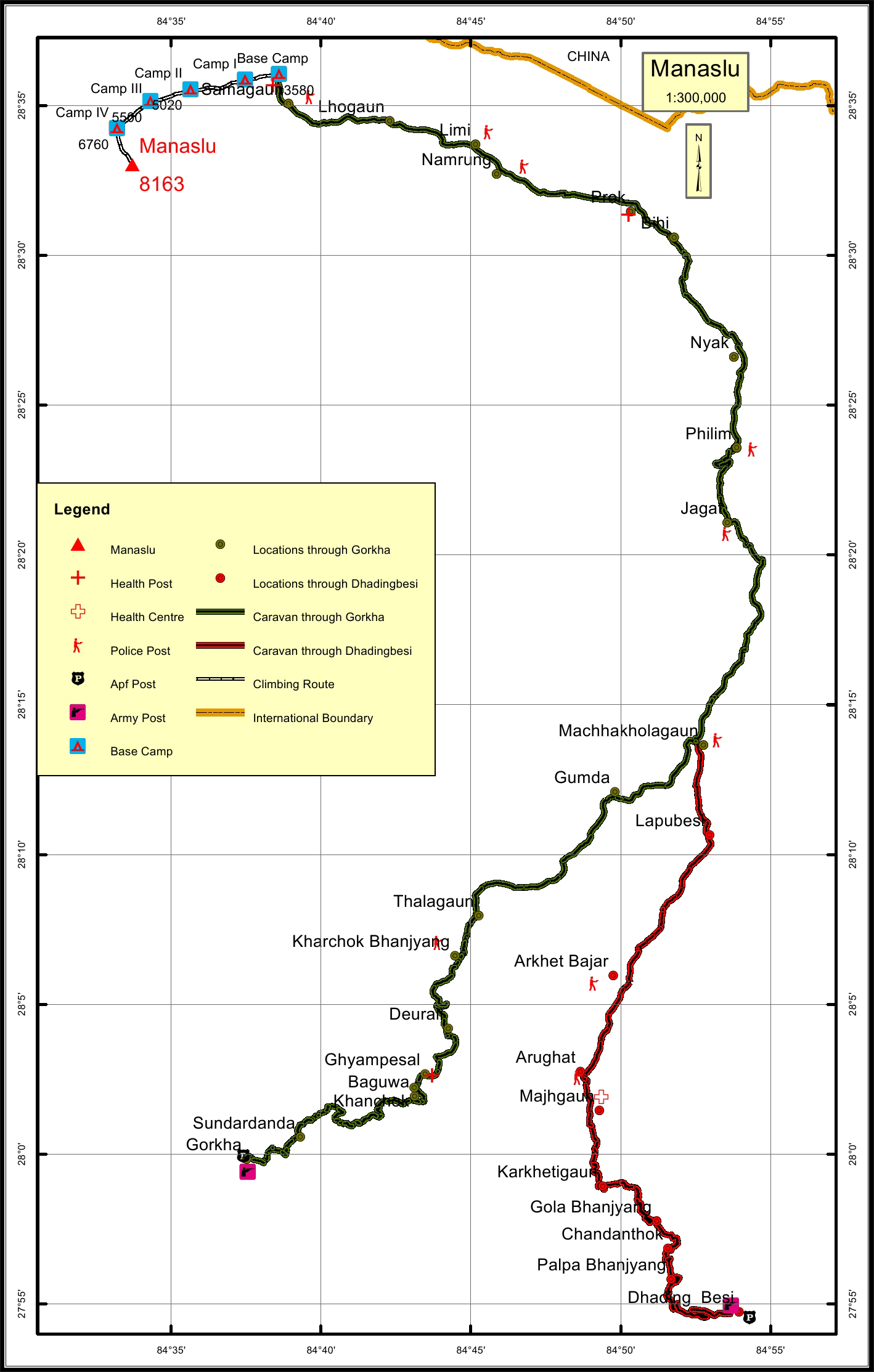
13. What is the route like on Manaslu?
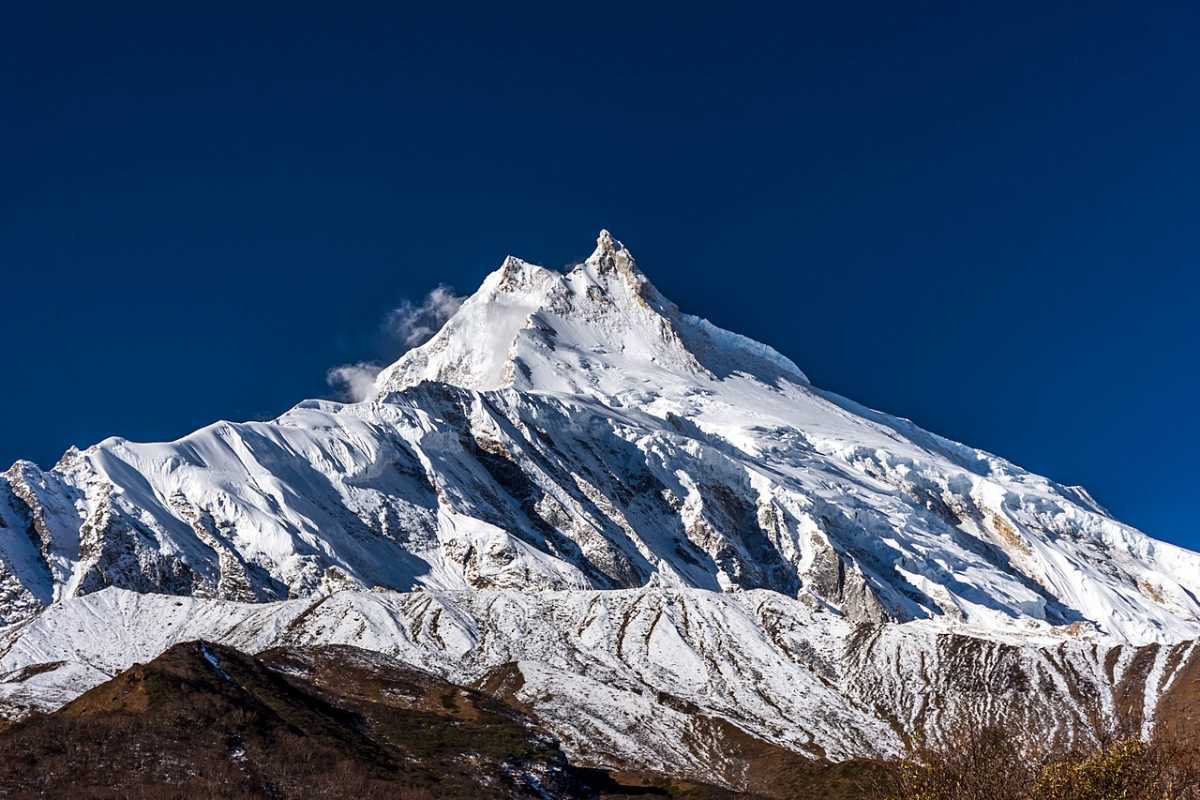
The standard route follows the Northeast Face, involving glacier travel, fixed rope sections, and high camps before reaching the summit ridge.
14. What kind of accommodation is provided?
- Teahouse accommodation during the trek
- Tented camps at base camp and higher altitudes
Base camp usually includes dining tents, communication setup, and medical support.
15. Why choose Manaslu over Everest?
Manaslu offers:
- Less crowded routes
- More affordable expedition cost
- Strong preparation for Everest
- A more authentic expedition experience