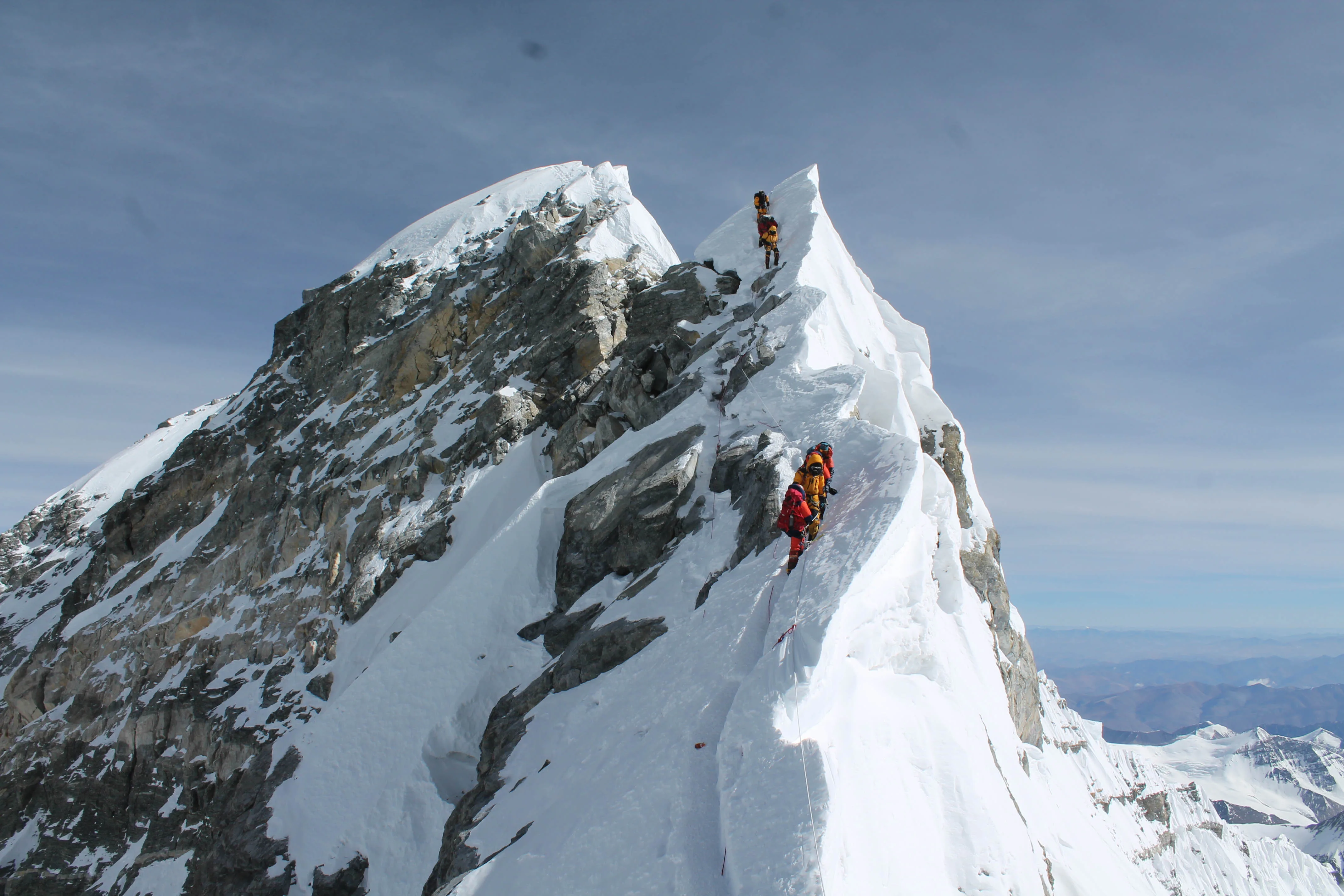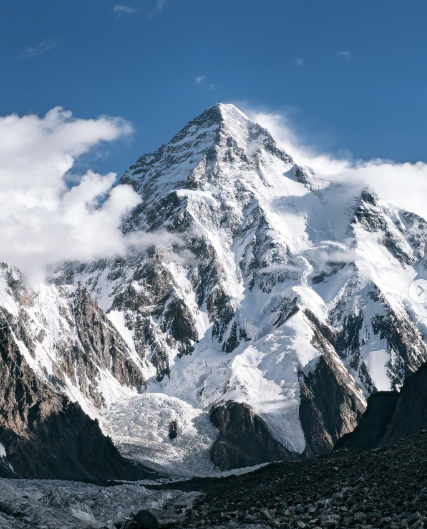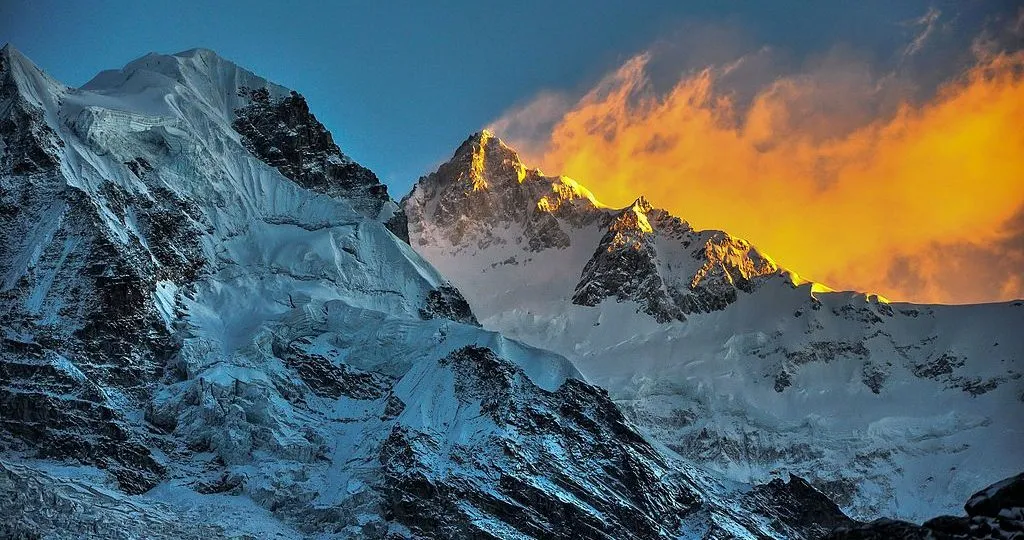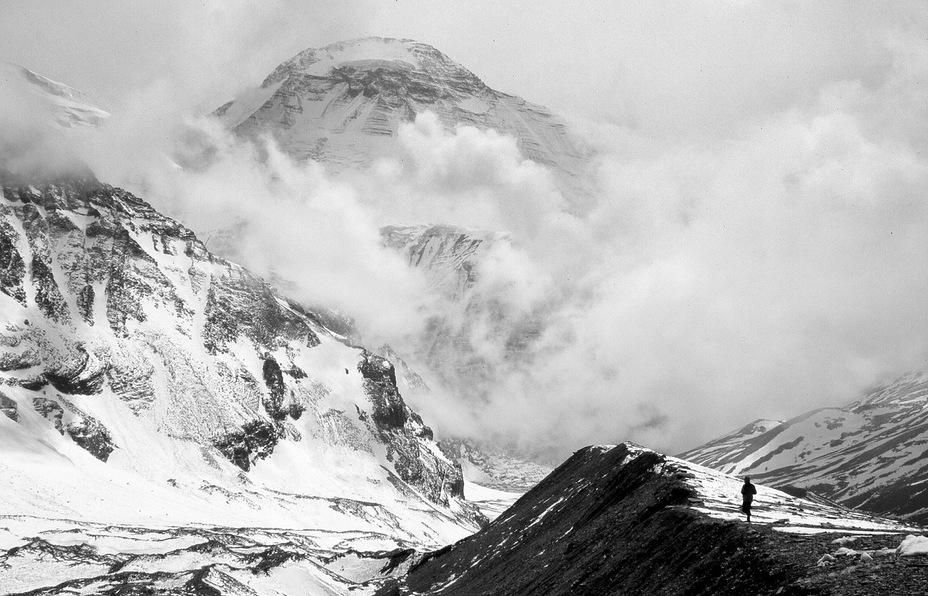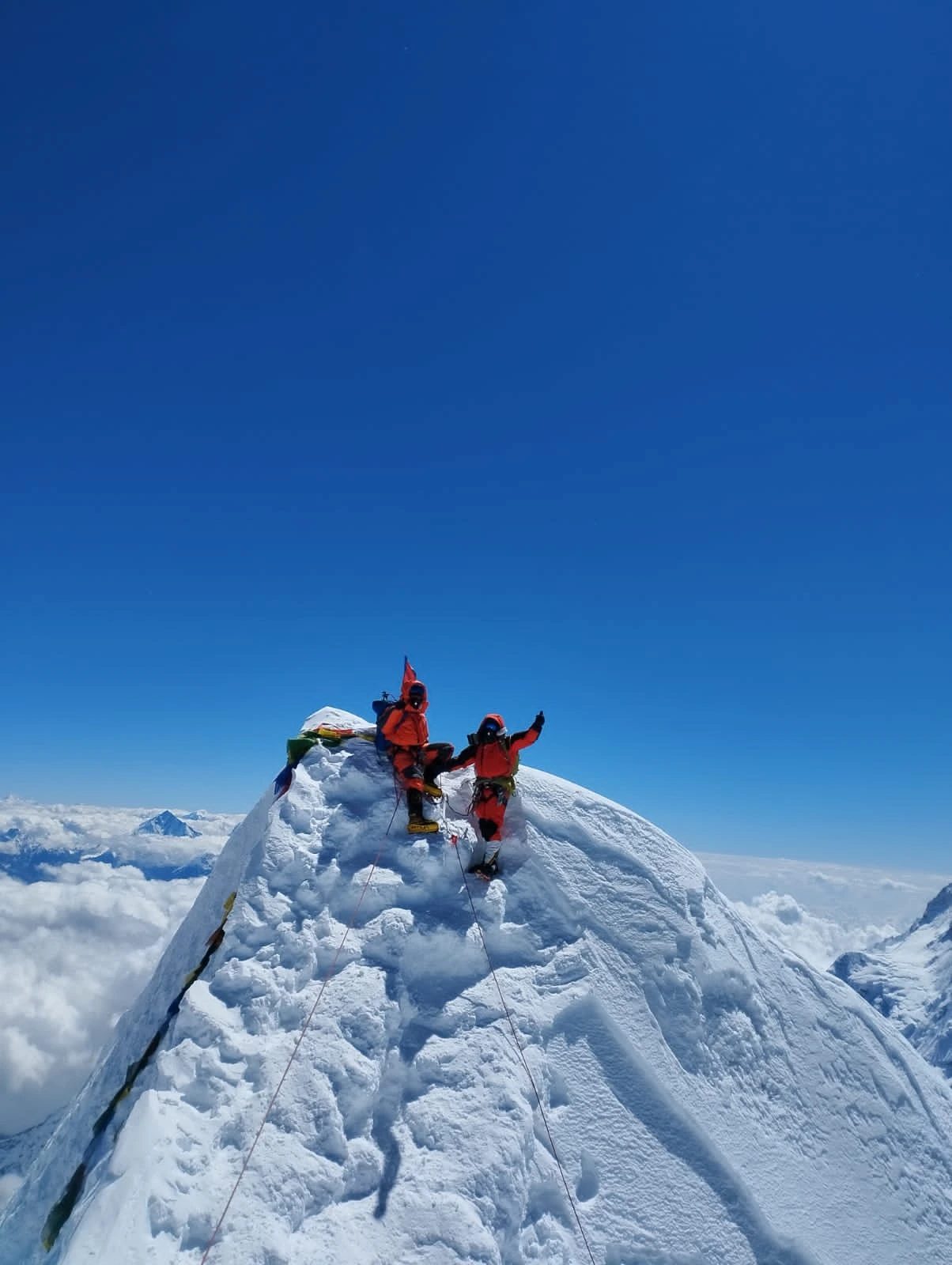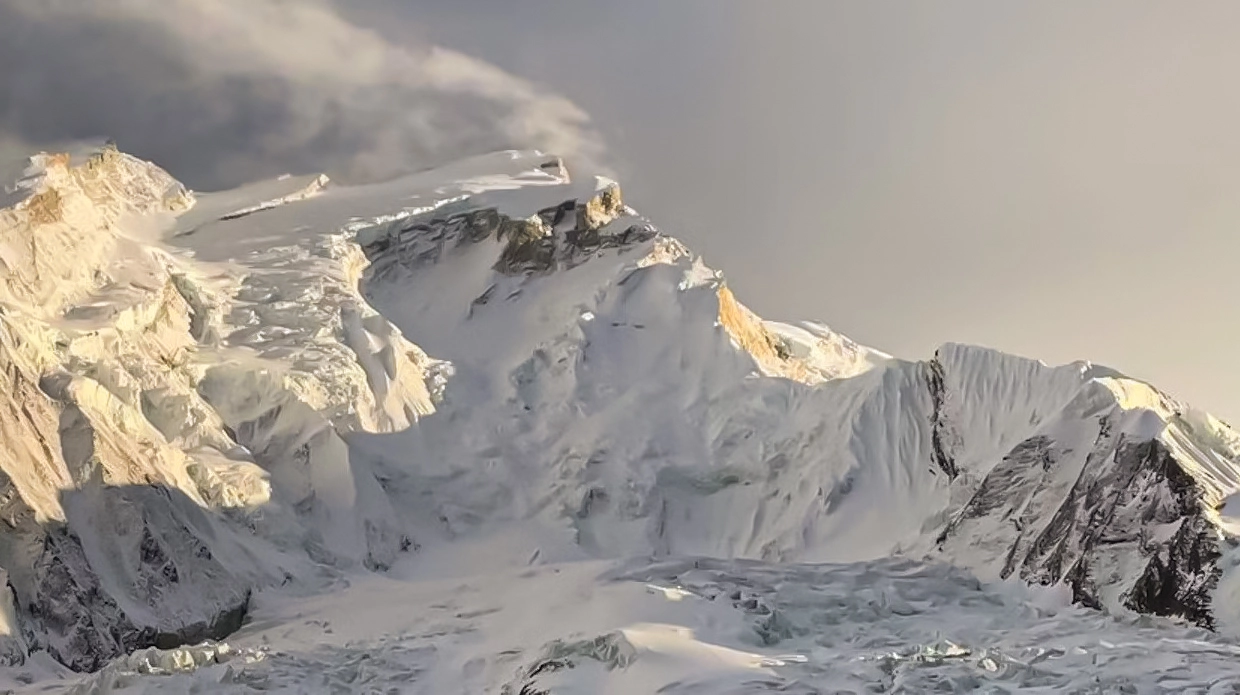
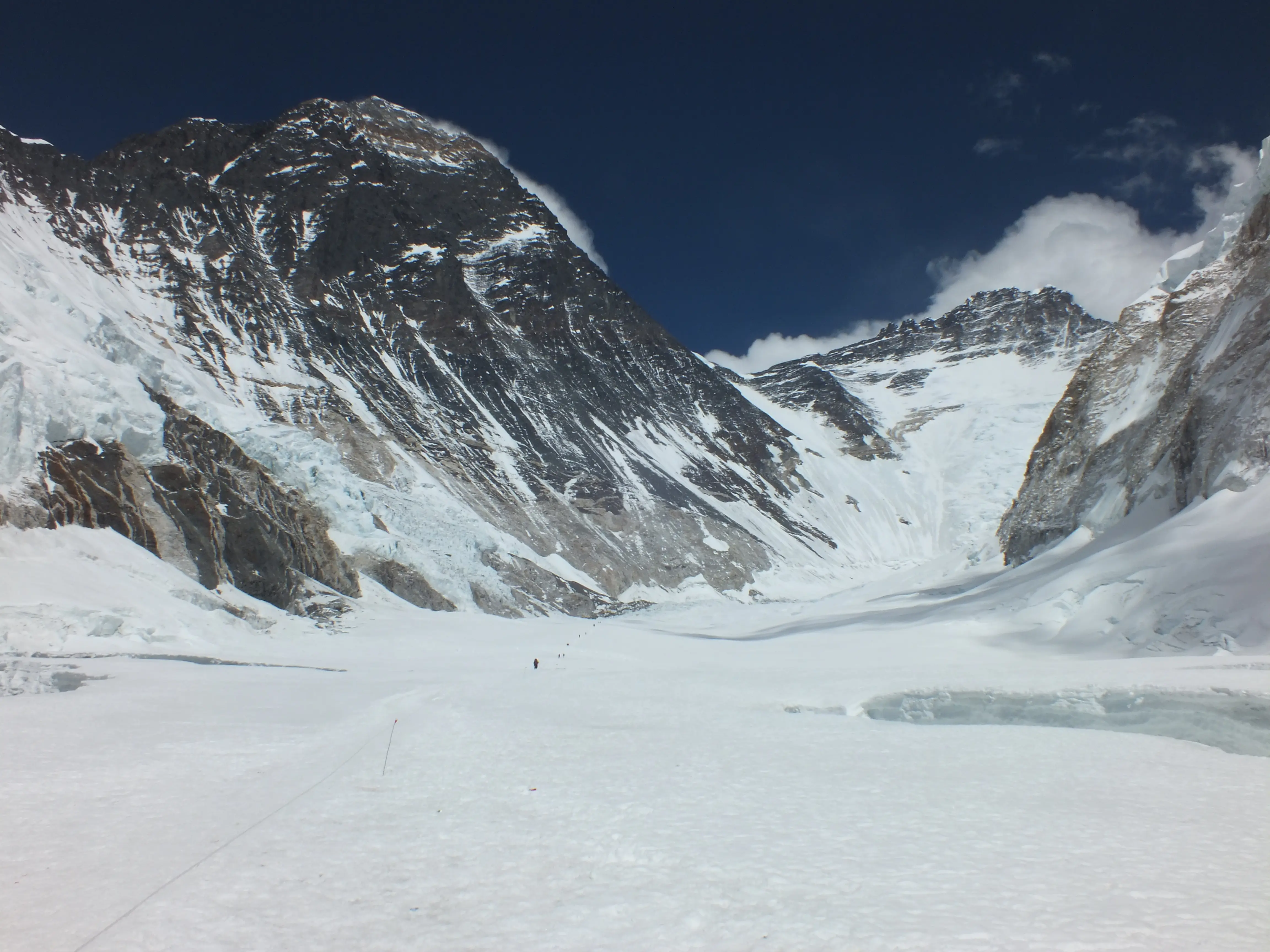
The Lhotse Expedition is a demanding high-altitude mountaineering objective suited for experienced climbers aiming to summit one of the world’s most technical 8,000-meter peaks. Standing at 8,516 meters (27,940 feet), Mount Lhotse is the fourth-highest mountain on Earth and is widely respected for its steep terrain, sustained ice climbing, and extreme altitude conditions.
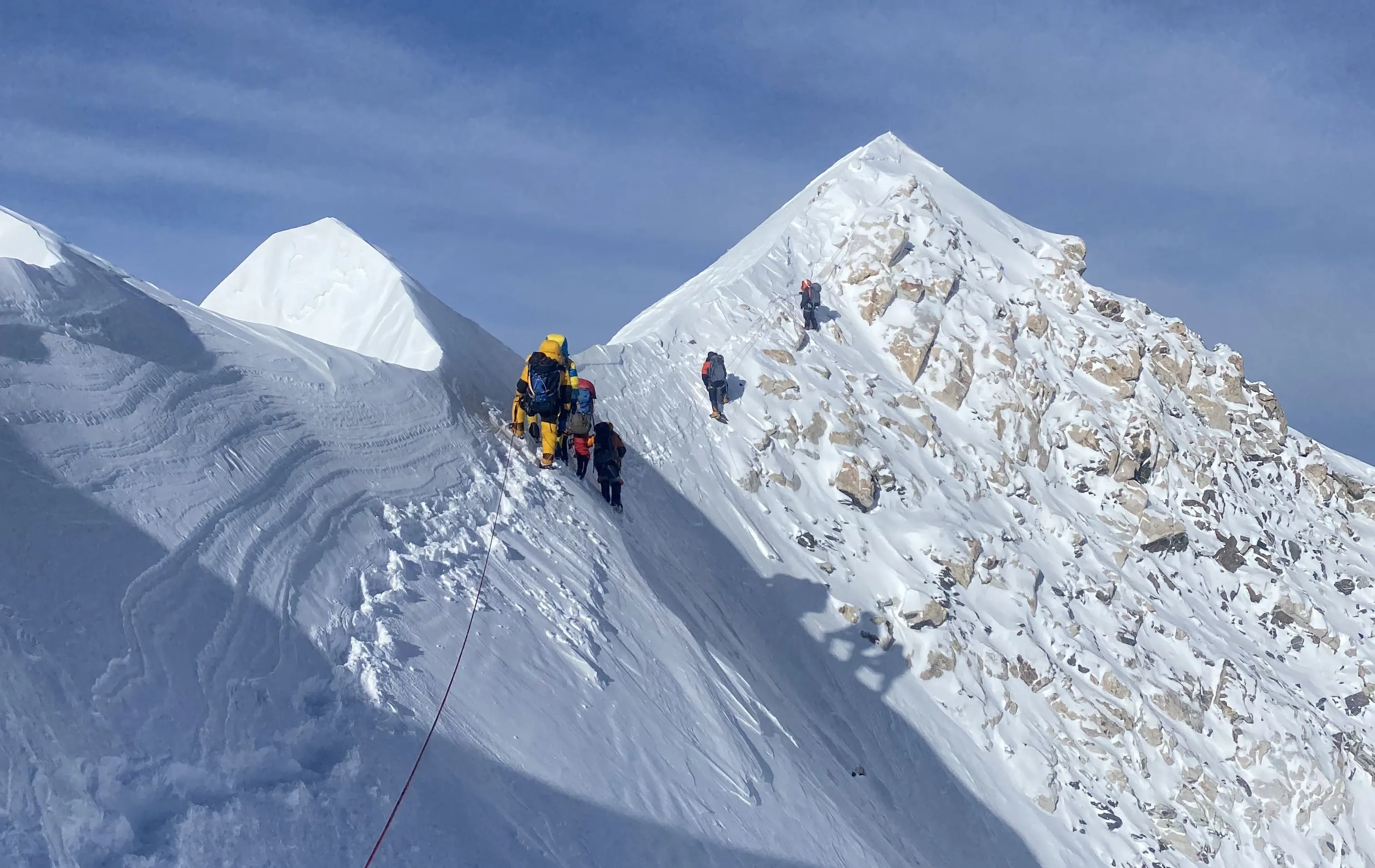
Located in the Everest region of Nepal along the Nepal–Tibet (China) border, Mount Lhotse rises immediately south of Mount Everest. While the approach and lower camps follow the Everest South Col route up to Camp III, Lhotse is a distinct climb defined by the formidable Lhotse Face—a long, steep ice wall that demands strong technical ability, endurance, and precise movement on fixed ropes.
A typical Lhotse expedition in Nepal lasts approximately 40 to 45 days, allowing sufficient time for acclimatization, rotation climbs, and a weather-dependent summit attempt. The journey begins in Kathmandu, followed by a flight to Lukla and a gradual trek through the Khumbu Valley to Lhotse Base Camp (around 5,400 meters). This phase is critical for altitude adaptation and expedition preparation.
Above Base Camp, conditions become progressively more severe. The Khumbu Icefall, with its shifting crevasses and unstable ice formations, is one of the first major challenges. Beyond this lies the Western Cwm, leading to the base of the Lhotse Face. The final ascent takes place in the Death Zone, where oxygen levels are critically low and sound judgment becomes essential.
The expedition is led by IFMGA / UIAGM-certified mountain guides, supported by an experienced local high-altitude Sherpa team responsible for route preparation, camp logistics, and safety support at extreme altitude. This combination of international guiding standards and deep local mountain knowledge ensures a disciplined, well-managed, and safety-focused expedition.
With careful planning, structured acclimatization, and a responsible approach, the Lhotse Expedition offers a deeply rewarding challenge for mountaineers prepared to meet its physical and technical demands.