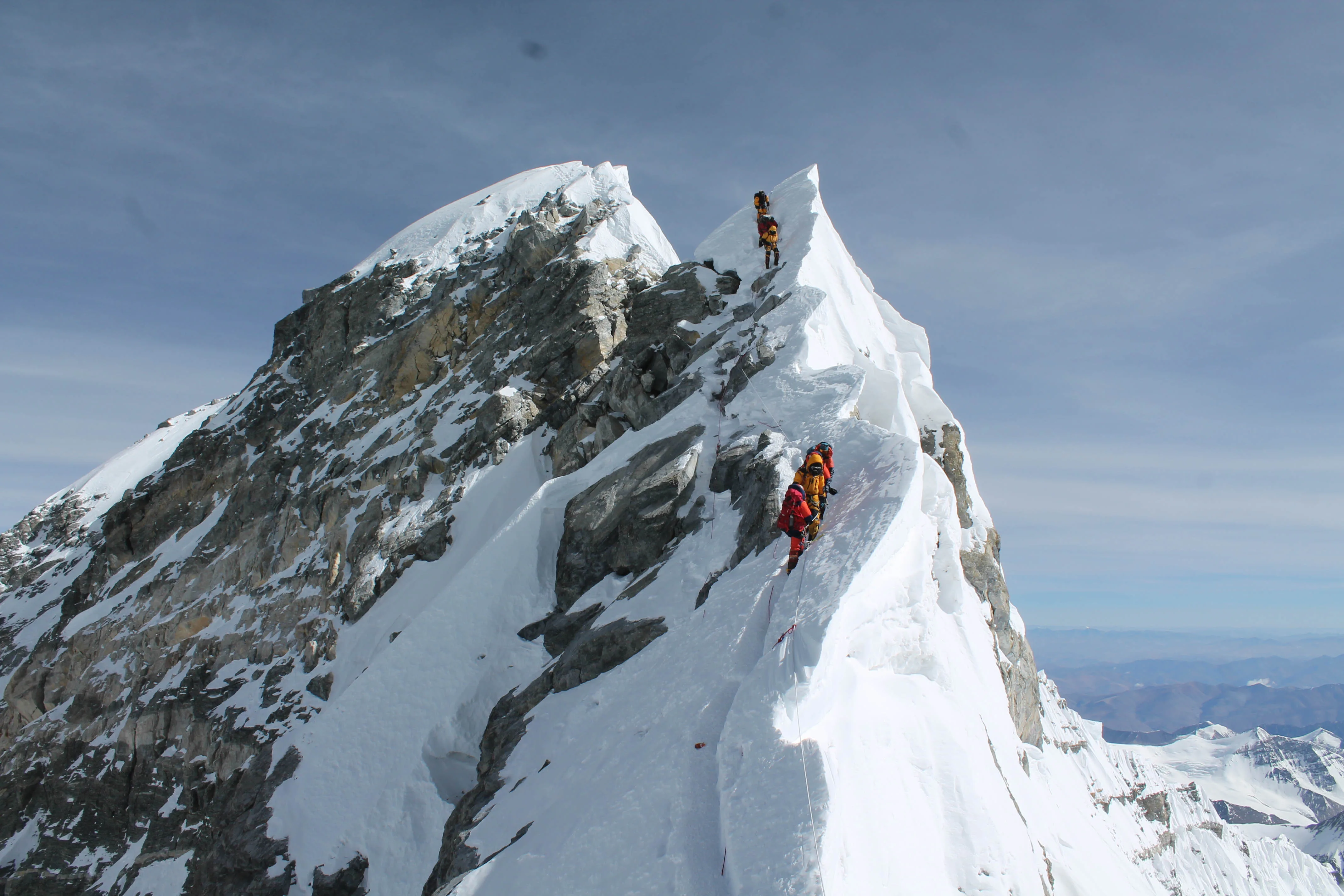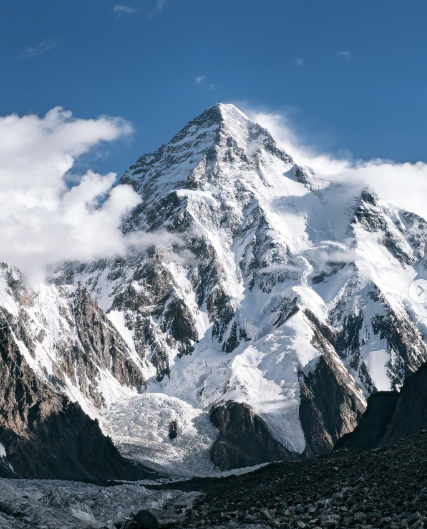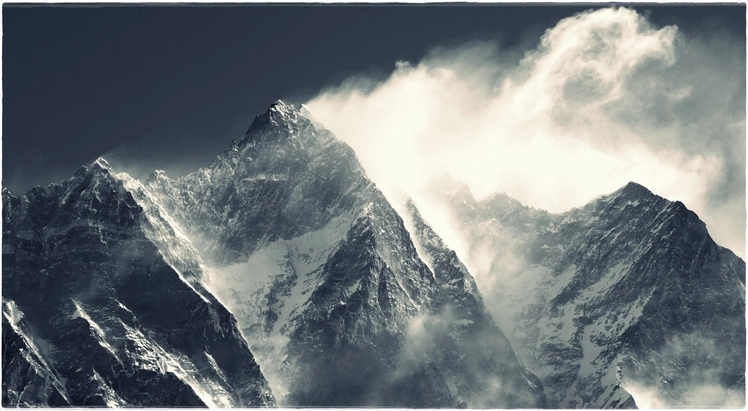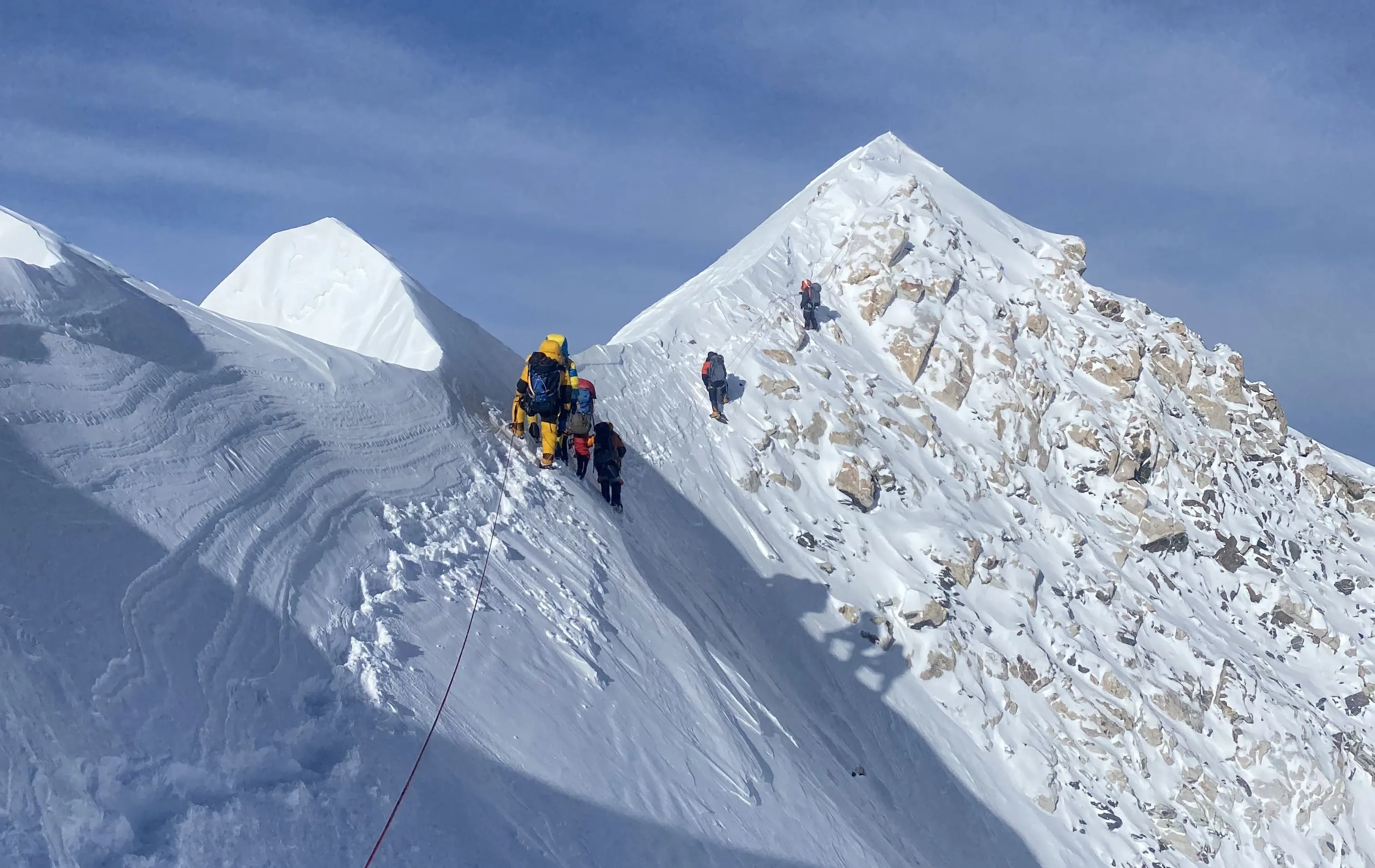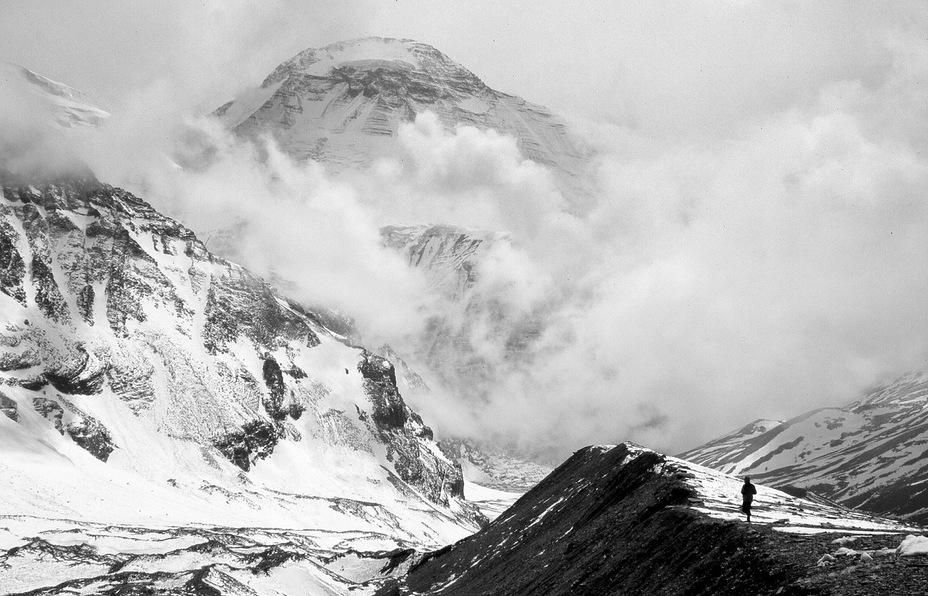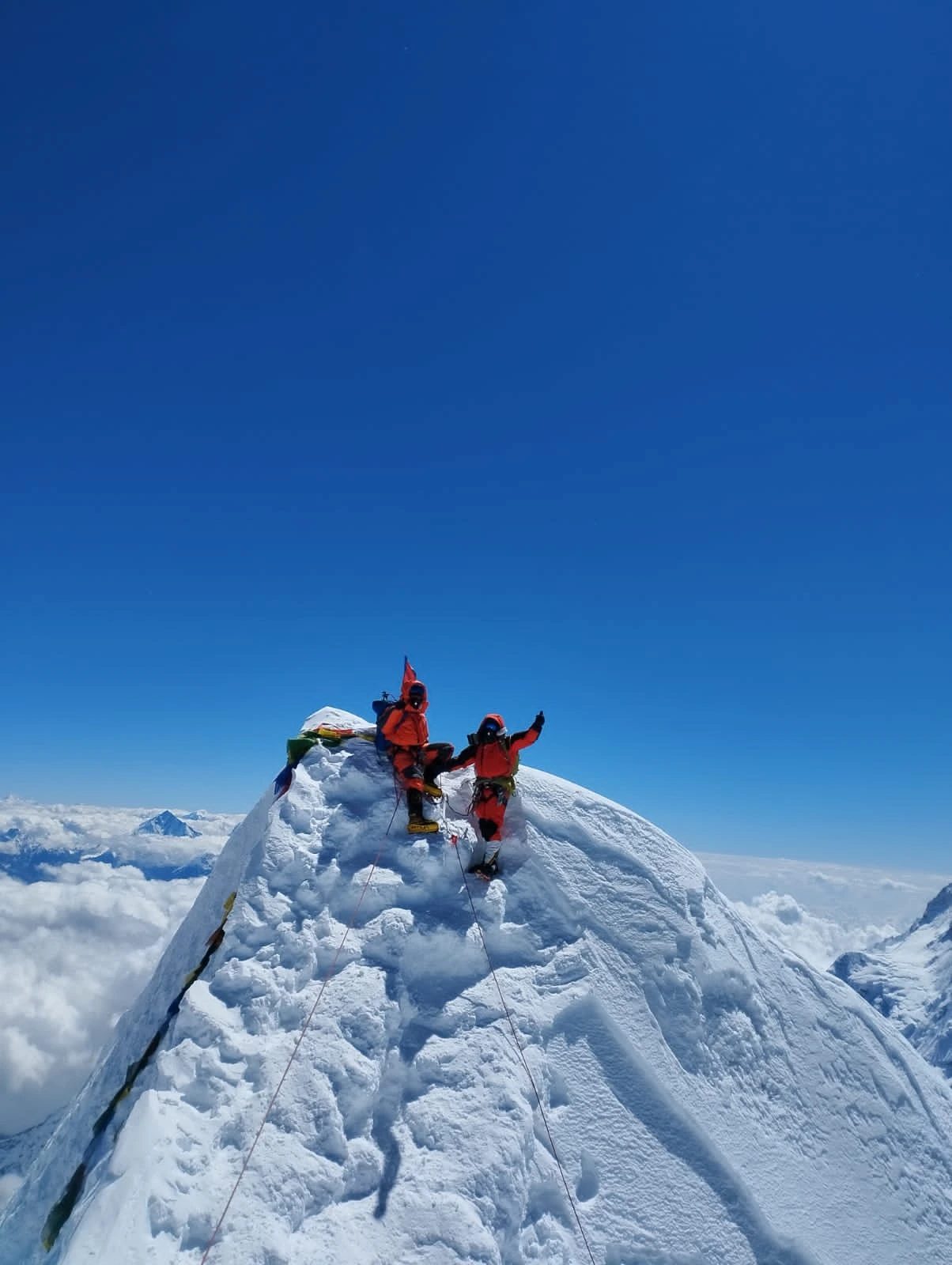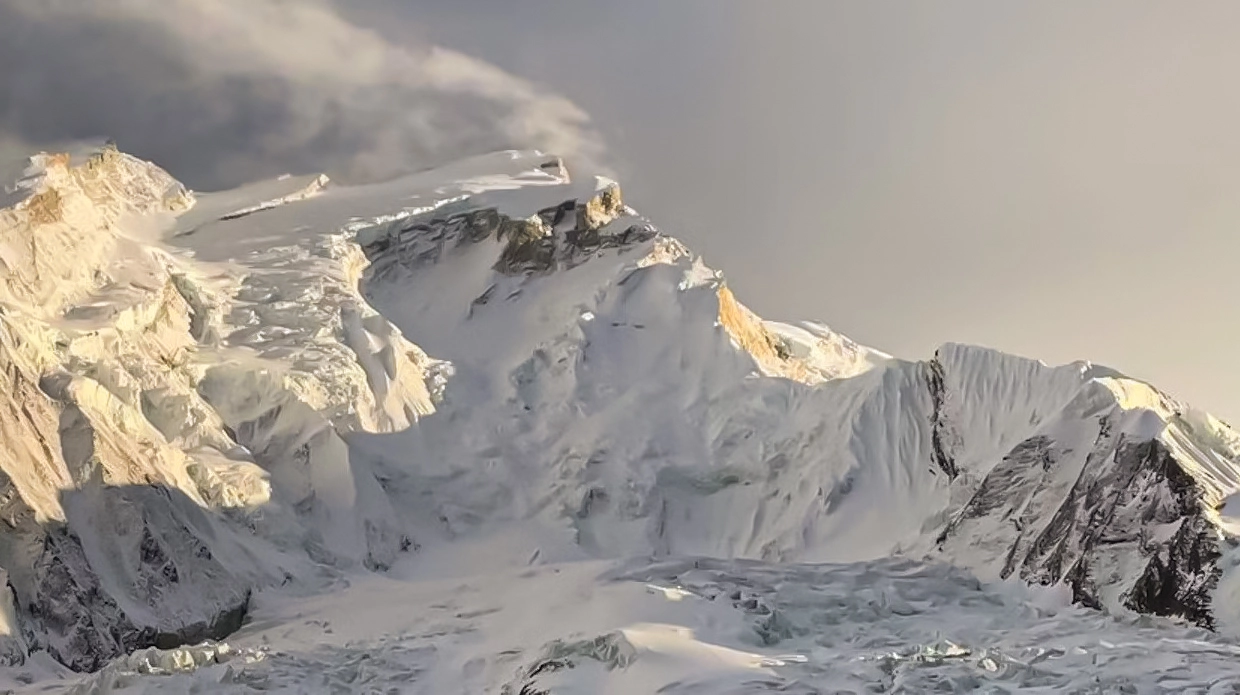
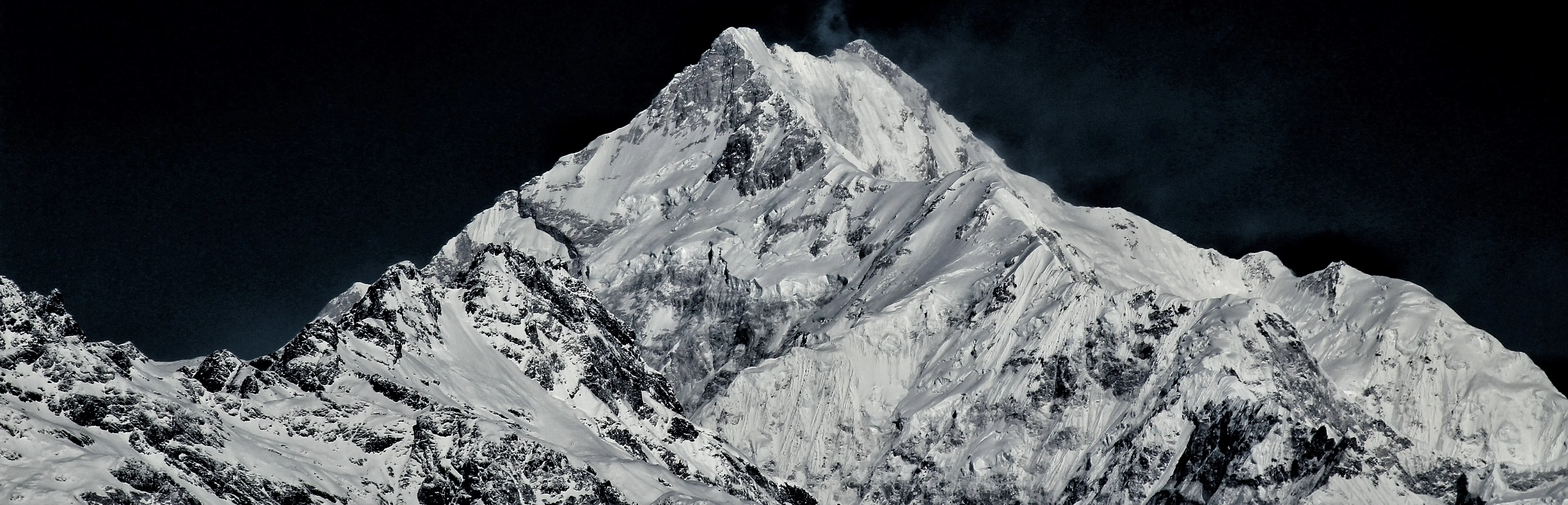
Kanchenjunga (8,586 meters) is the third-highest mountain in the world and the second-highest peak in Nepal, rising majestically in the remote eastern Himalayas along the Nepal–India border. Revered for both its immense height and deep spiritual significance, Kanchenjunga remains one of the most challenging and least commercialized 8,000-meter expeditions in the Himalayas.
The name Kanchenjunga comes from Tibetan words meaning “The Five Treasures of the Great Snow,” referring to the five prominent peaks of the massif. According to local belief, these treasures symbolize prosperity and sacred elements, and the mountain is regarded as a powerful guardian of the land. Out of respect for these traditions, many climbers choose to stop just short of the true summit—a custom dating back to the first ascent in 1955.
Kanchenjunga is renowned for its serious technical difficulty, unpredictable weather, long approach routes, and high objective risk. Unlike Everest or other more frequented 8,000m peaks, Kanchenjunga demands exceptional technical competence, endurance, and mental resilience. Steep ice faces, avalanche-prone slopes, crevasses, and extreme altitude make this expedition suitable only for highly experienced mountaineers.
The expedition approaches the mountain through the Kanchenjunga Conservation Area, one of Nepal’s most pristine and biodiverse regions. The journey itself is a major undertaking, involving long days of trekking through remote valleys, dense forests, and alpine terrain before reaching base camp. This remoteness adds to the seriousness of the climb but also preserves the raw, untouched character of the region.
Kanchenjunga is not climbed for records or crowds—it is climbed for mastery, humility, and commitment. For elite climbers seeking one of the world’s most demanding Himalayan challenges, the Kanchenjunga Expedition represents the ultimate test of experience, patience, and respect for the mountain.