
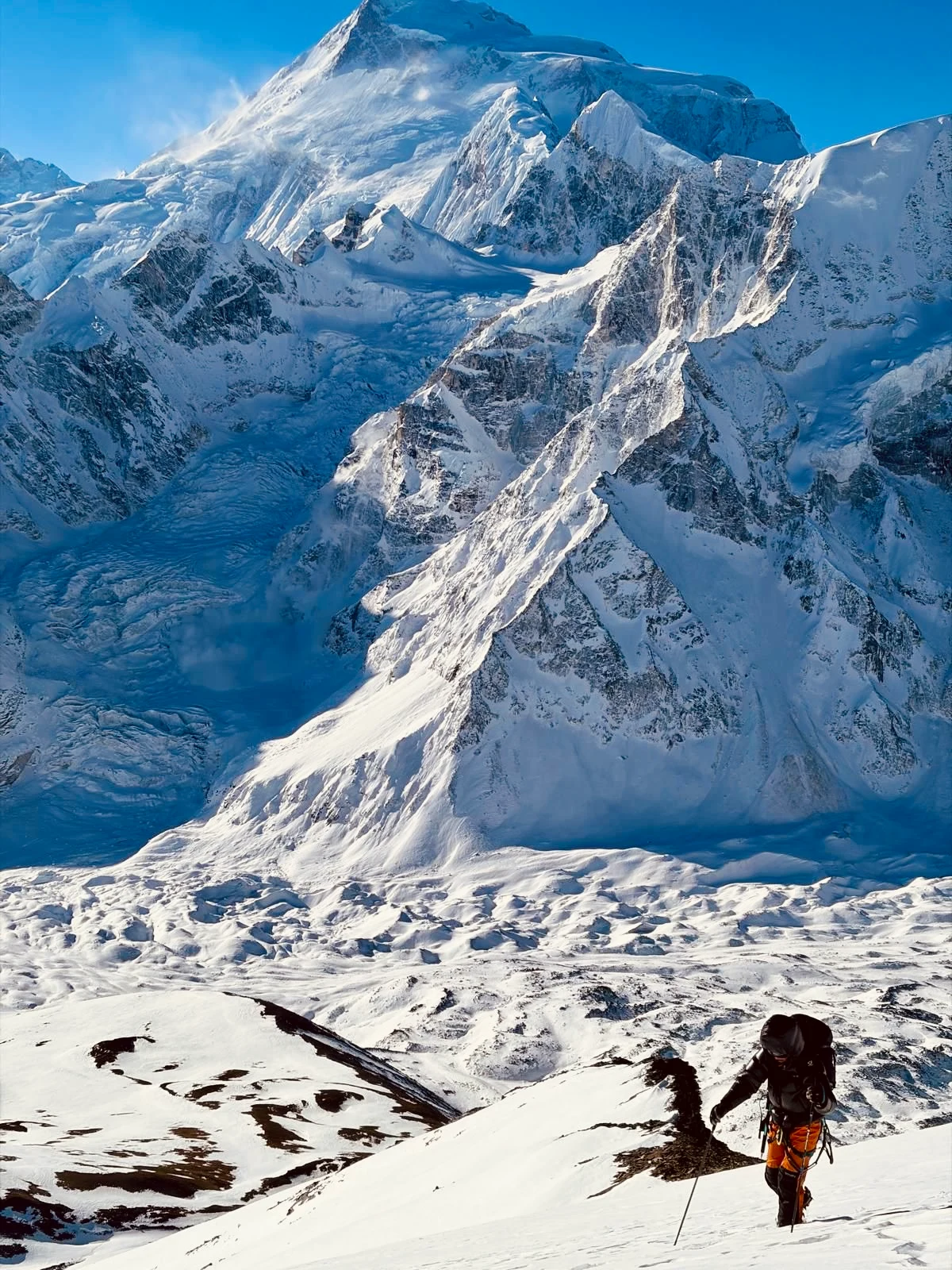
Himalayan Expeditions in Nepal: A Complete Guide to Trekking, Peaks, and High-Altitude Adventures
Nepal has long been regarded as the world’s ultimate destination for Himalayan expeditions. Home to the highest concentration of great mountains on Earth, the country offers a rare combination of legendary trekking routes, accessible high-altitude peaks, and serious expedition-style climbs. For adventure travelers from Europe, the United Kingdom, the United States, and Australia, Nepal represents more than a destination—it is a place where physical challenge, cultural depth, and personal growth come together.
From classic treks through living mountain cultures to technical climbs on glaciated peaks and multi-week expeditions above 8,000 meters, Nepal provides a complete spectrum of Himalayan adventure. This guide explores how trekking, peak climbing, and mountaineering fit together—and how travelers can choose the right journey based on experience, fitness, and long-term goals.
Why Nepal Is the World’s Center for Himalayan Expeditions
Nepal’s geography is unmatched. Eight of the world’s fourteen 8,000-meter peaks rise within its borders, alongside hundreds of 6,000- and 7,000-meter mountains. But Nepal’s appeal goes far beyond altitude.
What truly sets Nepal apart is the structure of adventure travel:
- Long-established trekking corridors
- Strong local mountain communities
- Professional guiding infrastructure
- Clear progression from trekking to climbing
- Deep cultural immersion along the way
Unlike many mountain regions, Nepal allows travelers to move gradually from low valleys to high alpine terrain on foot—making acclimatization safer and more natural. This progression is one reason why treks such as the Everest Base Camp trek remain globally iconic.
Trekking in Nepal: The Foundation of Himalayan Adventure
Trekking is often the first step into the Himalayas. Routes like the Annapurna Circuit, Manaslu Circuit, and Kanchenjunga Base Camp trek offer challenging terrain, altitude exposure, and cultural insight without the need for technical climbing skills.
These treks are not “easy walks.” They involve long days, changing weather, and elevations well above 4,000 meters. More importantly, they build:
- Altitude awareness
- Endurance
- Mental resilience
- Respect for mountain conditions
For many climbers, trekking in Nepal forms the foundation for future peak climbing and expedition goals.
Peak Climbing in Nepal: Entering the World of Mountaineering
Beyond trekking lies peak climbing—Nepal’s unique category of mountains that sit between trekking and full expedition mountaineering. These peaks typically range from 5,800 to 6,500 meters and introduce climbers to glacier travel, snow slopes, fixed ropes, and high camps.
Popular peaks such as Mera Peak, Island Peak, Lobuche East, Pisang Peak, and Chulu Far East are often considered ideal introductions to Himalayan mountaineering.
These climbs demand preparation, fitness, and respect for altitude, but they remain achievable for well-prepared trekkers. They also help climbers develop essential skills needed for more technical objectives.
Multi-Peak Expeditions: A Complete Himalayan Progression
Some travelers seek a deeper challenge—one that goes beyond a single summit. Multi-peak expeditions combine several climbs and high mountain passes into one continuous journey, offering extended acclimatization and skill development.
A classic example is the Three Peaks Expedition, which links:
- Mera Peak
- Island Peak
- Lobuche East
- Along with high passes such as Amphu Lapcha and Khongma La
These expeditions are physically demanding but exceptionally rewarding. They are well suited to experienced trekkers and climbers preparing for future 7,000m or 8,000m objectives.
Alpine-Style Climbing in Nepal
Alpine-style climbing has gained popularity among modern mountaineers seeking lightweight, self-sufficient ascents. In Nepal, peaks such as Chulu East offer excellent terrain for alpine-style movement—balancing altitude, simplicity, and environmental responsibility.
Alpine-style climbs emphasize:
- Efficiency
- Adaptability
- Minimal environmental impact
- Strong personal decision-making
This approach aligns closely with sustainable mountaineering practices and is increasingly valued by climbers from Europe and North America.
High-Altitude Expeditions: 7,000m and 8,000m Peaks
At the highest level of Himalayan adventure are expedition-style climbs to major peaks such as Ama Dablam, Himlung Himal, Manaslu, Makalu, Dhaulagiri, Annapurna, and Mount Everest.
These expeditions involve:
- Fixed camps and rotations
- Long acclimatization periods
- Weather-dependent summit windows
- Advanced logistics and risk management
They are not simply climbs, but long-term commitments requiring planning, patience, and experience.
Responsible and Sustainable Himalayan Travel
Modern Himalayan expeditions place increasing emphasis on sustainability and responsibility. In Nepal, this means:
- Supporting local communities and guides
- Minimizing waste in high-altitude regions
- Respecting cultural and religious traditions
- Operating within conservation regulations
Responsible trekking and climbing not only protect fragile environments but also enhance the quality and authenticity of the experience.
Choosing the Right Himalayan Journey
Selecting the right expedition depends on:
- Previous altitude experience
- Physical conditioning
- Technical skill level
- Time available
- Long-term mountaineering goals
Some travelers begin with trekking, others move directly into peak climbing, and a few arrive with ambitions for major expeditions. Nepal accommodates all of these paths—often within a single journey.
The Himalayas as a Lifelong Journey
A Himalayan expedition is rarely a one-time experience. For many, it becomes a progression—each trek, climb, and summit building toward deeper understanding and greater challenges. Nepal remains at the center of this journey because it offers something rare: mountains that test you physically, cultures that ground you emotionally, and experiences that stay with you long after you return home.
For those seeking meaningful adventure, the Himalayas are not just a destination—they are a path.